white oak Identification (Quercus alba)

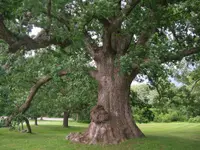
Recognize white oak by its leaves with 7 to 9 rounded lobes and no bristle tips, arranged alternately along the twigs. Mature trees form a broad, wide-spreading crown.

The bark is pale gray and broken into scaly plates, and the acorns sit singly or in pairs on short stalks with a warty, bowl-shaped cap.

Quercus alba Identification

Check Your Plant ID

Use a clear photo to confirm what plant you have.

Clear images work best. Avoid photos taken too close or too far away

Check the leaves, bark, and acorns for a quick visual read on Quercus alba.

  • Leaves are simple and alternate, usually 5-9 inches (13-23 cm) long, with 7-9 rounded lobes and no bristle tips.
  • The leaf outline is broadest above the middle, with deep, smooth-sided sinuses between the lobes.
  • Bark on mature trunks is light gray and broken into broad, flat, scaly plates.
  • Acorns are oval, about 3/4-1 inch (2-2.5 cm) long, with a shallow warty cup covering about one-quarter of the nut.

A broad, spreading crown adds another useful visual clue on older trees.

Quercus alba shows clear visual shifts from seedling leaves to broad, heavy-branched maturity.

  • Seedling: Seedlings show alternate, simple leaves with rounded lobes, often less deeply cut than on older plants, on a slender upright stem.
  • Young plant: Young plants form a narrow crown and smoother gray bark; leaves become more regularly lobed and commonly reach 4-9 inches (10-23 cm) long.
  • Mature plant: Mature trees develop a broad, spreading crown with stout horizontal limbs and pale gray bark broken into scaly plates, unlike the smoother bark of younger plants.
  • Fruiting stage: Fruiting branches carry oblong acorns in shallow, warty cups, usually borne singly or paired, adding a clear visual cue absent on nonfruiting plants.

In spring, Quercus alba leafs out with soft, pale green leaves. Yellow-green hanging catkins may also be visible, adding a brief flowering clue before the canopy fully fills. By fall, the leaves often turn wine red to reddish purple, then drop. In winter, the broad rounded crown, stout twigs, and pale gray bark with scaly plates stand out more clearly.

Several other oaks can be mistaken for Quercus alba at a glance.

swamp white oak(Quercus bicolor)

Similar rounded lobes and pale leaf undersides. Check for shallower lobes and a more irregular, peeling bark pattern; leaves often look broader and less deeply cut.

bur oak(Quercus macrocarpa)

Can resemble white oak in overall leaf shape and bark tone. Bur oak usually has a pronounced leaf waist near the middle and very large acorns with fringed cups.

post oak(Quercus stellata)

Also has rounded lobes and gray bark. Post oak leaves usually show five squarish lobes with a broad cross-shaped outline, not the more evenly lobed leaf.

Quercus alba is native to eastern and central North America, from southern Maine and southern Ontario south to northern Florida and west to eastern Texas and Minnesota. It is most often found in upland deciduous woods, open slopes, ridges, and well-drained valleys, sometimes on rocky ground. In its native range, finding a large oak in dry to mesic forest settings helps narrow identification, especially away from swamps and coastal marsh habitats.

  • Acorns and leaves: Quercus alba contains tannins, especially in acorns and wilted or young leaves. Ingestion can be harmful to humans and pets, and it is a better known concern for grazing animals.
  • Ingestion risk: The concern is swallowing plant parts, not skin contact. Problems are linked to larger amounts of acorns or leaves rather than brief handling of bark or foliage.

Confirm the Species with Botan

Use a photo to identify or verify the plant, helping avoid mix-ups before you label it or make decisions.

FAQ

The quickest white oak identification clue is the leaf: 7 to 9 rounded lobes with no bristle tips, plus pale gray, scaly bark on older trees and acorns that mature in one season.

Everything About white oak

More Plant Identification Guides

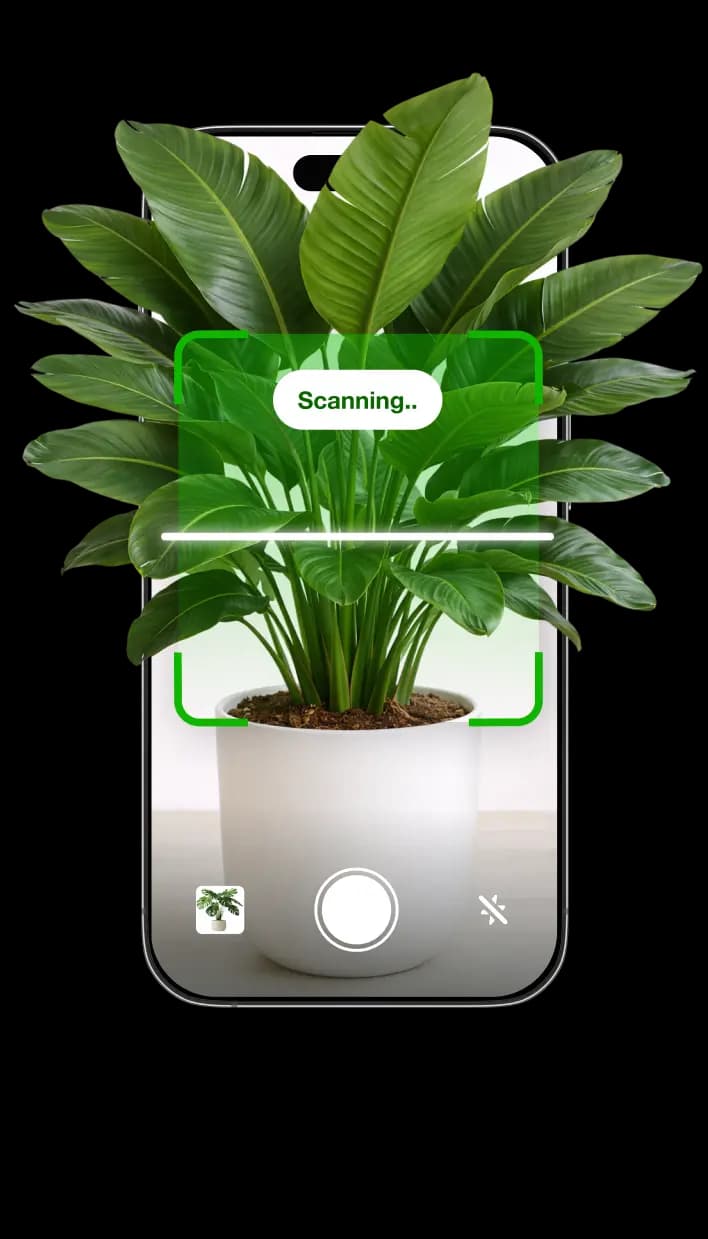
Scan Your Plant. Get the Details.

Use Botan to identify a plant from a photo, then review its profile, care information, and common problems.

Botan app identifying a plant from a photo
Best Fertilizer for Vegetable Gardens – What to Use for Each Plant

11 min read · 20 Jul 2026

Best Fertilizer for Vegetable Gardens – What to Use for Each Plant

Here, you’ll find the right fertilizer formula for vegetables in your garden. Learn how to adjust feeding correctly throughout the growing cycle, spot nutrient deficiencies by their symptoms, and keep your plants healthy and prolific.

Plant Recommendations
Best Fertilizer for Vegetable Gardens – What to Use for Each Plant
What Plants Don't Like Epsom Salt?

11 min read · 29 Jul 2026

What Plants Don't Like Epsom Salt?

Learn which plants can be seriously damaged by Epsom salt and which will thrive on it. We’ll explain when and how to use it properly, provide tips for indoor & outdoor plants — read on and enjoy a healthy garden.

Plant Care
What Plants Don't Like Epsom Salt?
Can Plants Grow With Artificial Light?

6 min read · 15 Sept 2026

Can Plants Grow With Artificial Light?

Plants can grow under artificial light when the setup provides a suitable spectrum, enough intensity, and sufficient daily exposure. This guide explains how artificial lighting compares with sunlight, which options work indoors, and how to match a setup to houseplants.

Plant Care
Can Plants Grow With Artificial Light?