

live oak Identification (Quercus virginiana)

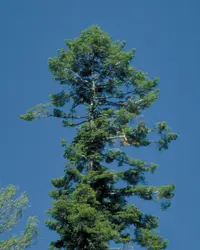
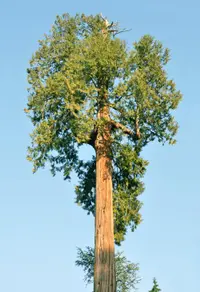
Recognize live oak by its broad, low crown, massive trunk, and heavy horizontal limbs that often spread wider than the tree is tall.

Leaves are alternate, simple, and thick, usually 2 to 5 inches (5 to 13 cm) long, with smooth or slightly rolled edges and a narrow oval to oblong shape.

Quercus virginiana Identification

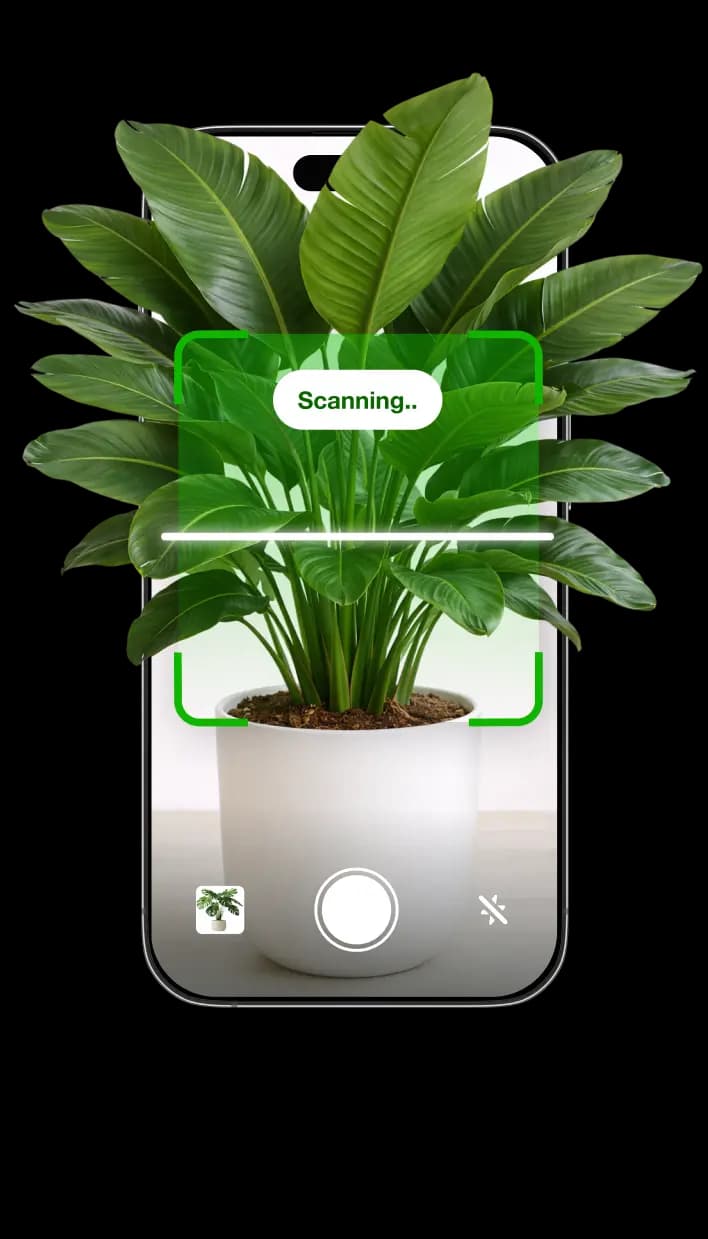
Scan to Confirm live oak

Use a clear photo to confirm what plant you have.

Clear images work best. Avoid photos taken too close or too far away

Check the overall form and the leaf shape first on Quercus virginiana.

  • Crown is broad and low, often much wider than tall, with heavy horizontal limbs.
  • Leaves are simple, alternate, thick, and leathery, usually 2-5 inches (5-13 cm) long.
  • Blades are oval to oblong with smooth or slightly toothed edges, often rolled under.
  • Leaf undersides look pale and fuzzy, contrasting with the darker upper surface.
  • Acorns are oblong, about 3/4-1 inch (2-2.5 cm) long, with a shallow cup covering about one-quarter of the nut.

A low, spreading canopy plus pale-backed leathery leaves is a strong visual match.

Live oak shows clear visual shifts from a low seedling to a broad, massive tree.

  • Seedling: Seedlings have a slender upright stem with simple alternate leaves, often narrower and less leathery than later foliage, and no broad lateral framework yet.
  • Young plant: Young plants form a dense, rounded crown. Branches begin spreading sideways, and evergreen leaves become thicker, oval, and more consistently smooth-edged.
  • Mature plant: Mature trees develop a wide, low canopy often spreading 60-100 feet (18-30 m), with heavy horizontal limbs, a stout trunk, and strongly furrowed bark.
  • Fruiting stage: Fruiting branches carry short, oblong acorns set singly or in small groups, each seated in a shallow cup that exposes much of the nut.

Live oak is evergreen, so it usually keeps a full canopy through winter, but older leaves often yellow and drop in spring as new leaves emerge. This brief leaf exchange can make the crown look thinner for a short time. Flowers become visible in spring, with hanging yellowish catkins on male trees. Acorns develop after flowering and are often noticeable by late summer into fall.

Several oaks can be mistaken for Quercus virginiana at a glance.

laurel oak(Quercus laurifolia)

Both can have unlobed, evergreen-like leaves. Laurel oak leaves are thinner, often broader toward the tip, and the tree is usually more upright, not wide-spreading.

sand live oak(Quercus geminata)

Very similar overall. Sand live oak usually has thicker, strongly rolled leaf edges and a densely pale, fuzzy underside; live oak leaves are less revolute beneath.

southern red oak(Quercus falcata)

Young trees may suggest the same broad oak silhouette. Southern red oak usually shows clearly lobed leaves and a paler, often fuzzy leaf underside.

Quercus virginiana is native to the southeastern United States, from coastal Virginia south through Florida and west to Texas. Its range helps narrow identification because it is a characteristic oak of the Atlantic and Gulf coastal plains. It naturally occurs in maritime forests, coastal hammocks, sandy rises, and lowland woods near the coast, often on barrier islands and other sheltered coastal sites. Finding a large oak in these habitats strongly supports identification.

  • Acorns and leaves: Quercus virginiana contains tannins in its acorns and leaves. Ingestion can be harmful to pets, especially livestock, and may also upset humans if eaten in quantity.
  • Physical injury: The acorn caps and fallen twigs are not toxic, but they can create a minor handling or barefoot puncture hazard for people and pets around the tree.

Check Your Plant ID

Use Botan to compare a photo and help verify the plant, so it is easier to avoid mix-ups with similar species.

FAQ

Young trees are more upright, with smoother gray bark and a denser, narrower crown. With age, this plant develops massive lateral limbs, a broad spreading canopy, and darker, furrowed bark, useful for identifying live oak.

More Plant Identification Guides

Identify Your Plant and Learn More

Use Botan to identify it from a photo, then get plant details, care information, and common problems for that species.

Botan app identifying a plant from a photo
How Often to Water Fruit Trees

7 min read · 11 Aug 2026

How Often to Water Fruit Trees

Irrigation needs change as roots establish and weather shifts. This guide gives practical starting intervals, explains how soil and tree type change them, and shows how to recognize both excess moisture and drought stress.

Plant Care

How Often to Water Fruit Trees
How to Group Plants in Landscaping: A Practical Layout Guide

8 min read · 31 Aug 2026

How to Group Plants in Landscaping: A Practical Layout Guide

Good plant grouping can mean the difference between a well-planned garden and one that looks sloppy. This guide explores layers, spacing, cluster shapes, and the plants that thrive when you group them.

Plant Care
How to Group Plants in Landscaping: A Practical Layout Guide
What Do Plants Need to Grow – 5 Things Every Greenery Can't Live Without

8 min read · 31 Jul 2026

What Do Plants Need to Grow – 5 Things Every Greenery Can't Live Without

To keep plants healthy and thriving, provide the right balance of light, humidity, nutrients, airflow, and quality soil. This guide covers the essentials of year-round plant care.

Beginner Guides
What Do Plants Need to Grow – 5 Things Every Greenery Can't Live Without