

7 min read · 6 Aug 2026
Planting Grass Seed in Summer – What Works and What Fails
Summer seeding succeeds when the grass type suits the season, and the soil stays moist. Find out how to prepare the seedbed and choose a safe window for planting.
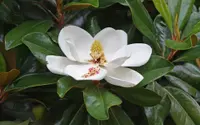
Southern magnolia grows best in full sun, with at least 6 hours of direct light daily.

Light Preference
Full Sun

Southern magnolia is native to the southeastern United States, where it grows in warm, humid climates. Young trees may start with filtered light along woodland edges or in open forests, but mature trees often reach brighter, more open exposure.
In cultivation, this background explains its strong performance in open landscapes with long daily sun. It prefers full sun and little overhead shade.
Southern magnolia needs about 6–8 hours of full sun daily, with at least 6 hours of direct sun for strongest growth and flowering.
Established trees can handle all-day direct sun, including afternoon sun, when exposure increases naturally over the season.
Partial sun is tolerated, but less than 6 hours of direct sun can reduce flowering and produce a looser canopy.
Deep shade is not suitable because growth becomes weak and the tree struggles to form a dense crown.
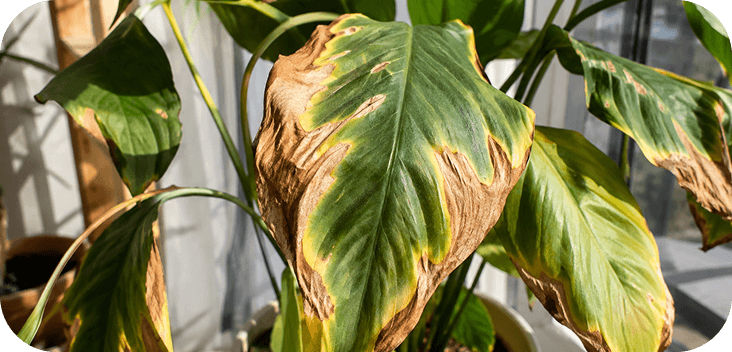
Full sun is normal, but sudden harsher exposure can stress leaves.
Cream, tan, or bleached areas may appear on the upper leaf surfaces that face the strongest sun.
Damage is usually concentrated on outer, south- or west-facing foliage rather than shaded interior leaves.
Tender new leaves may look dulled, curled, or scorched after a quick move into hot afternoon sun.
Shift container-grown trees into brighter light gradually, or use temporary afternoon shade during acclimation. In the ground, reduce reflected heat where practical rather than moving an established tree.
Low light usually shows as weak structure before sudden decline.
Foliage may become thinner, especially on shaded sides where branches receive little direct sun.
New shoots can stretch with wider gaps between leaves as the plant reaches for brighter exposure.
Blooming may be reduced when daily direct sun is consistently limited.
Young trees may angle toward the brightest open area instead of growing evenly upright.
Move container specimens to a sunnier outdoor position, or choose a more open planting site before planting. Avoid relying on shade for long-term growth.
Choose the sunniest outdoor site available; partial sun is the best compromise when full sun is not possible.
Prioritize morning and midday sun if hot reflected afternoon exposure scorches young leaves. Acclimate container-grown specimens over 1–2 weeks before placing them in all-day sun.
Avoid a deeply shaded courtyard or the north side of a building because this setup will not meet Magnolia grandiflora light needs.

Too Much Sun?
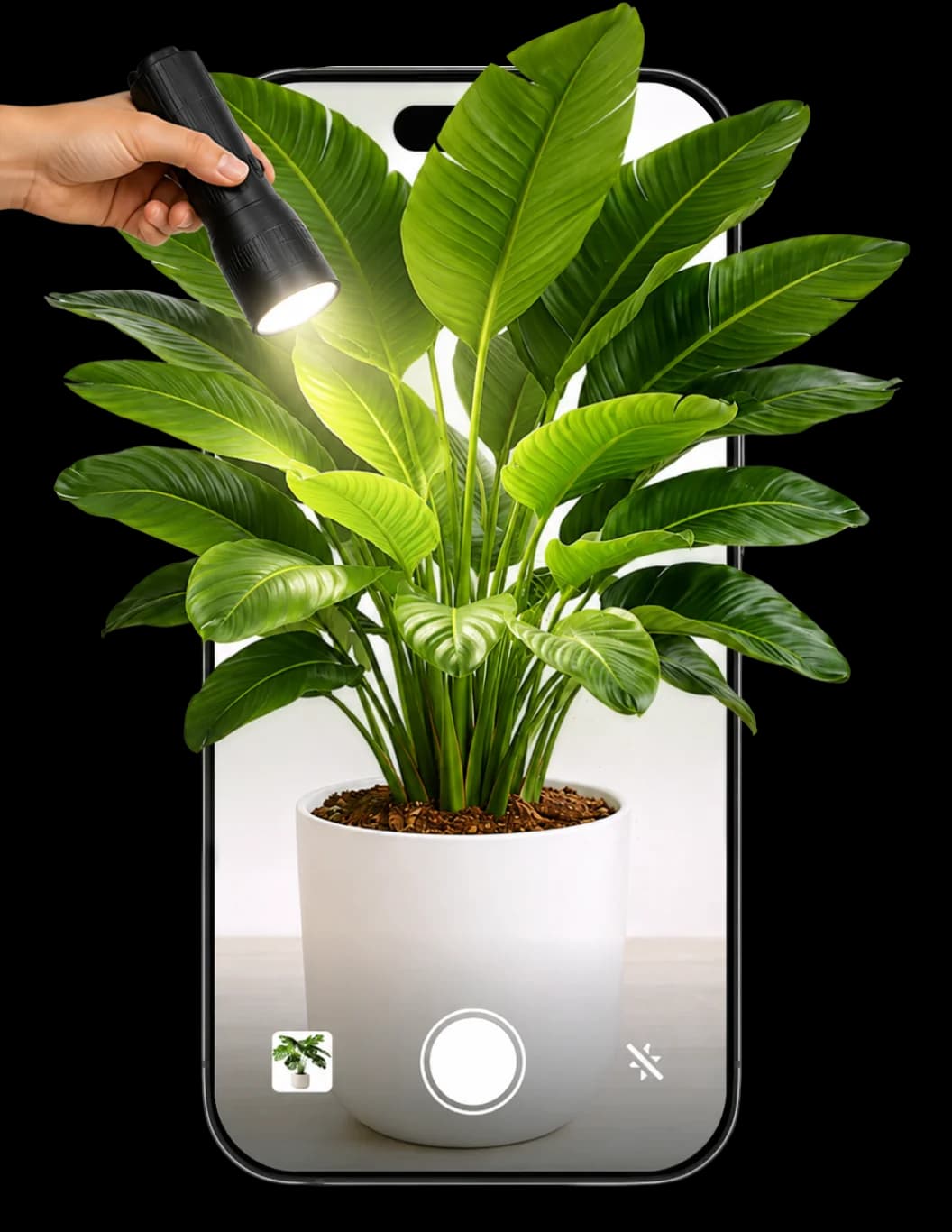
Check if your plant gets too much direct sunlight and improve its placement
Scan your plant to receive care tips personalized for your specific plant
The Southern magnolia sunlight requirements are full sun in open outdoor exposure. It can tolerate partial sun, but flowering and canopy density are usually better with long daily direct light.
Discover how to care for your plants with Botan.


7 min read · 6 Aug 2026
Summer seeding succeeds when the grass type suits the season, and the soil stays moist. Find out how to prepare the seedbed and choose a safe window for planting.

8 min read · 31 Jul 2026
To keep plants healthy and thriving, provide the right balance of light, humidity, nutrients, airflow, and quality soil. This guide covers the essentials of year-round plant care.

12 min read · 16 Jul 2026
Mosquitoes on the patio? Gnats in the kitchen? Some plants keep them away with the scent of their own leaves. Here are 20 that deal with mosquitoes, flies, aphids, and more, plus where to put them so they help.