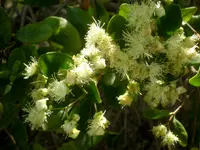



petra (Myrceugenia exsucca) Light Needs

petra grows best in partial sun, with several hours of direct light and protection from harsh exposure.

Light Preference

Partial Sun

Myrceugenia exsucca Light Requirements

Myrceugenia exsucca grows in temperate, moist habitats of southern South America, often along streams, wet woodland edges, and open swampy ground. These sites can provide direct sun for part of the day, with filtered light from nearby vegetation at other times. Cultivated plants usually perform best when light is bright but not constantly harsh. Preferred light is steady partial sun.

  • Ideal exposure:

    Ideal exposure: petra needs about 6–8 hours of bright outdoor light daily, ideally partial sun, including 3–5 hours of direct morning or late-day sun.

  • Full sun tolerance:

    Established plants can tolerate full sun when exposure is introduced gradually and heat is not intensified by paving or reflective walls.

  • Harsh afternoon sun:

    Long, hot afternoon sun is the riskiest exposure, especially after nursery shade or indoor holding conditions.

  • Lower light:

    Bright open shade may keep growth alive, but deep shade usually leads to sparse, weak growth.

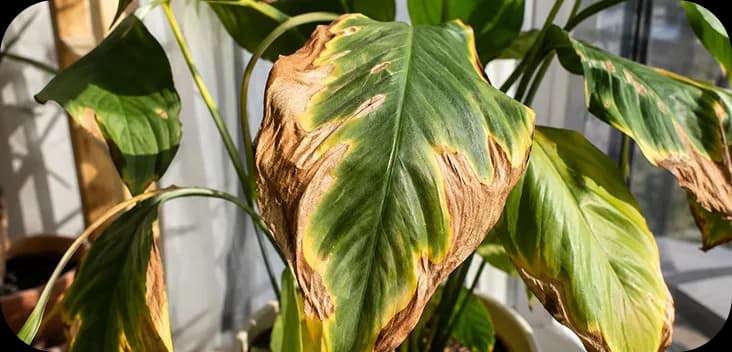
Excess light usually shows first on the most exposed outer growth, not evenly across the plant.

Bleached patches:

Pale tan or whitish areas may appear on leaves facing the strongest sun, especially after a sudden move.

Crisp exposed tips:

Thin, dry tips on the sun-facing side can follow repeated hot afternoon exposure.

Dull, tight foliage:

Leaves may look matte, slightly curled, or held tighter when light and heat are both intense.

Uneven canopy color:

The side facing direct sun may look lighter than shaded inner growth.

Move the plant to partial sun or add light filtering during the hottest hours. Reintroduce stronger sun gradually over 1–2 weeks.

Low light shows as weak structure before severe decline. Myrceugenia exsucca is not a shade plant.

  • Long internodes:

    New stems may stretch with wider spacing between leaf pairs.

  • Leaning growth:

    Shoots may angle toward the brightest side instead of building an even canopy.

  • Small new leaves:

    Fresh growth can emerge smaller and thinner than older leaves during the growing season.

  • Sparse interior:

    Inner growth may thin as older shaded stems receive too little usable light.

  • Few flowers:

    Flowering may be limited when the plant receives light but little direct sun.

Shift it to a brighter position with morning sun or open sky exposure. Increase light in steps if the plant has been shaded for weeks.

Choose a spot with morning sun and bright open light when full, all-day sun is not available. Use light filtering during hot afternoon exposure if leaves show pale patches or crisp sun-facing tips.

Rotate container-grown plants every 2–4 weeks so one side does not carry all new growth. Avoid deep shade under dense cover because it produces weak stems and sparse foliage.

Get Personalized Care Plan

Scan your plant to receive care tips personalized for your specific plant

FAQ

The petra light requirements are best met with partial sun: bright outdoor light for most of the day, plus several hours of direct morning or late-day sun.

More Plant Light Guides

Get the Botan App

Discover how to care for your plants with Botan.

Botan app identifying a plant with a phone camera
How to Repot a Plant: A Step-by-Step Guide

7 min read · 28 May 2026

How to Repot a Plant: A Step-by-Step Guide

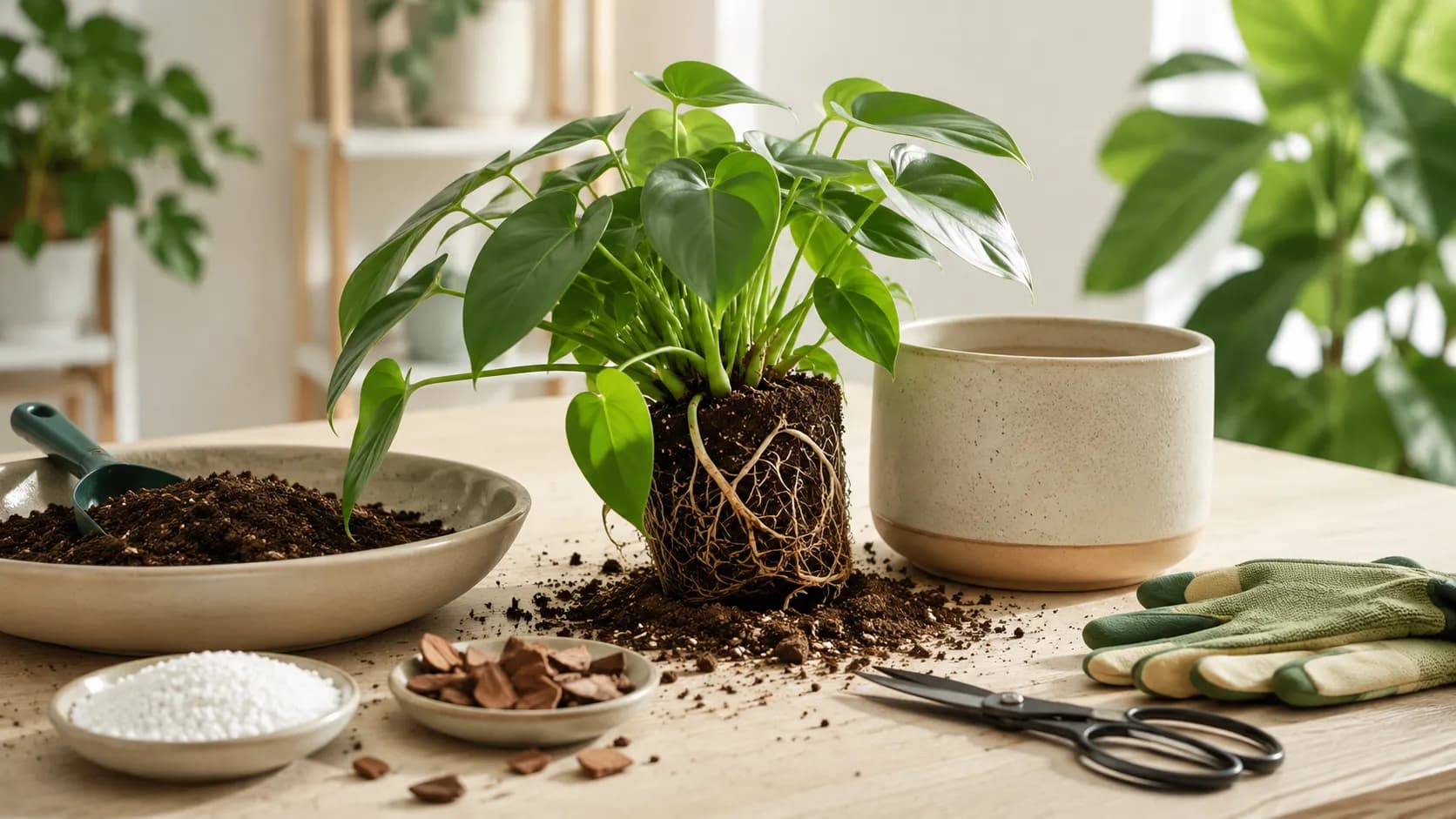
In spring, many plants need repotting—an essential part of care. To avoid stress, consider the plant’s type and size. This article offers a step-by-step guide for repotting indoors or outdoors and shows how to check plant health and get care tips using the Botan App.

Plant Care
How to Repot a Plant: A Step-by-Step Guide
20 Most Popular Fruits Around the World

7 min read · 22 Jul 2026

20 Most Popular Fruits Around the World

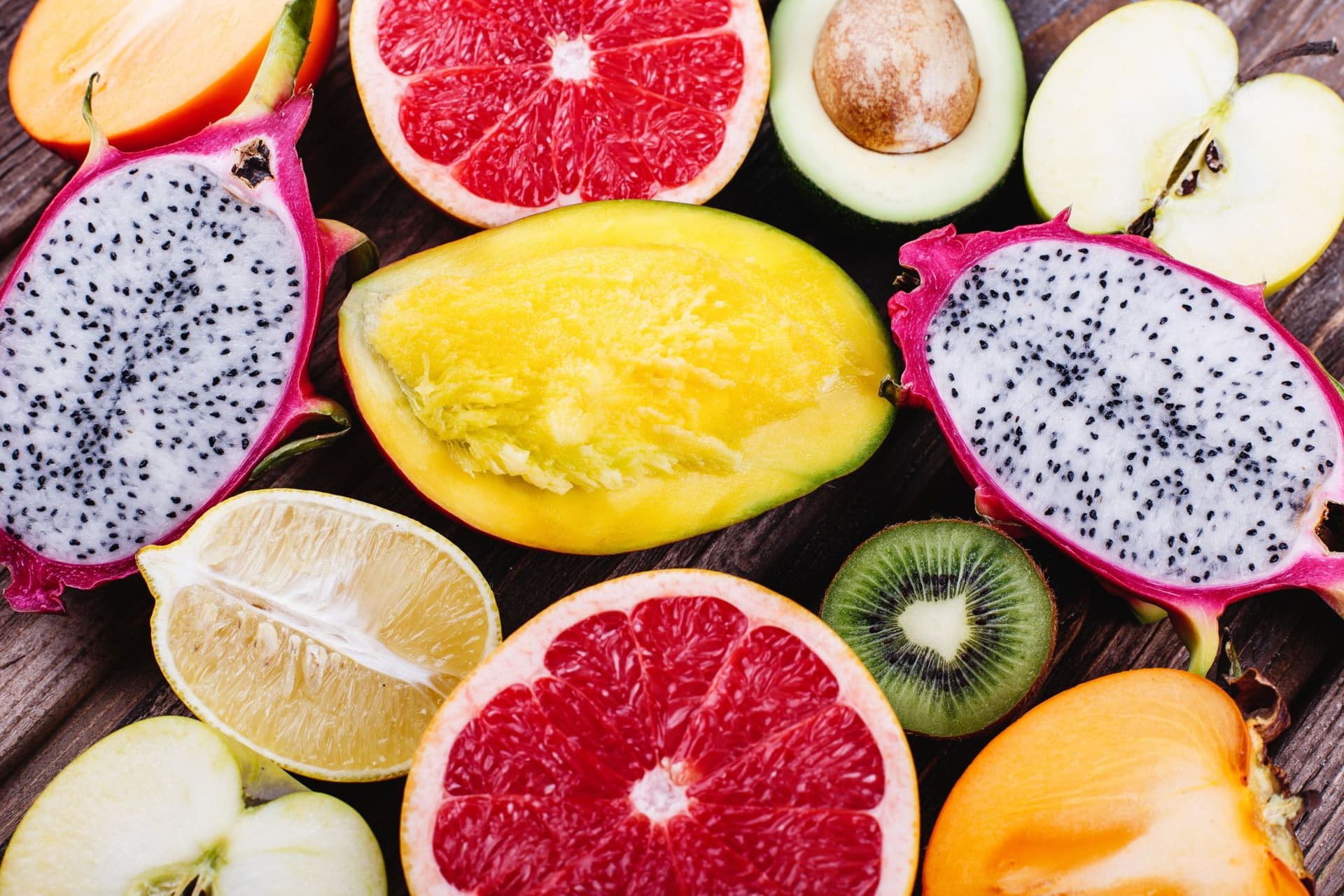
Curious which fruits the world actually eats the most? Here's the top-20 by production volume, an overview of what people choose in each region, and a few figures that defy common assumptions.

Plant Recommendations
20 Most Popular Fruits Around the World
12 Best Cold-Hardy Vegetables for Cold Weather

7 min read · 13 Oct 2026

12 Best Cold-Hardy Vegetables for Cold Weather

Cold-hardy vegetables can keep a garden productive through chilly fall, winter, and early spring weather. This guide covers 12 reliable crops, their frost tolerance, and practical growing tips for better cold-season harvests.

Plant Recommendations
12 Best Cold-Hardy Vegetables for Cold Weather