

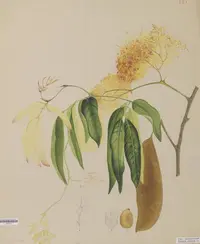


teak (Tectona grandis) Light Needs

teak grows best in full sun, with long daily exposure to direct, unobstructed outdoor light throughout the growing season.

Light Preference

Full Sun

Tectona grandis Light Requirements

Teak is native to tropical monsoon regions of South and Southeast Asia, where it grows as a large deciduous tree in open forest, woodland edges, and disturbed sites. Young plants may start with some side shade, but strong overhead sun supports sturdy growth. In cultivation, this points to bright outdoor exposure rather than sheltered shade. It prefers full sun for best development.

  • Ideal exposure:

    teak needs about 6–8 hours of full sun daily, including at least 6 hours of direct sun in open outdoor conditions.

  • Strong sun:

    Established plants tolerate strong direct sun well when temperatures are warm and roots are not confined in overheated containers.

  • Low shade tolerance:

    Shade is not suitable for normal growth and usually produces weak, stretched shoots with sparse foliage.

  • Afternoon exposure:

    Morning sun is helpful, but this species can also handle afternoon sun after gradual acclimation.

Full sun is suitable, but sudden or reflected heat can still stress foliage.

Scorched patches:

Dry tan or pale brown areas may appear on upper leaves after an abrupt move from shade to intense sun.

Bleached surfaces:

Exposed leaves can look faded or washed out where light and heat are strongest.

Midday flagging:

New shoots may droop during the hottest part of the day in containers on pavement or against walls.

Crisp young tips:

Tender new leaves may crisp first because they have not hardened to stronger light.

Shift the plant away from reflective surfaces and increase direct sun more gradually. Use open airflow and light afternoon protection during the adjustment period.

Low light is a common problem for young plants kept too sheltered in protected outdoor spots.

  • Stretched shoots:

    Stems may lengthen quickly with wide spaces between leaf pairs as the plant reaches for stronger light.

  • Leaning growth:

    New growth may angle toward the brightest side instead of staying evenly upright.

  • Small new leaves:

    Fresh foliage may emerge smaller than expected during warm, active growth.

  • Slow summer growth:

    Growth can remain weak during the season when the species should be most active.

Move it to a more open, sunny position over several days. Avoid keeping it under dense shade, roof overhangs, or other long-term obstructions.

If full-day sun is not available, choose the site with the longest clear exposure and at least 6 hours of direct sun.

Prune or relocate nearby obstructions that cast midday shade, and rotate container-grown young plants every 1–2 weeks for even exposure.

Deep shade beside buildings, fences, or dense overhead cover is unsuitable because it cannot meet Tectona grandis light needs.

Get Personalized Care Plan

Scan your plant to receive care tips personalized for your specific plant

FAQ

Teak light requirements are full sun outdoors. This plant grows best with long, direct exposure rather than filtered light or shade, especially during the active growing season.

Everything About teak

More Plant Light Guides

Get the Botan App

Discover how to care for your plants with Botan.

Botan app identifying a plant with a phone camera
Best Fertilizer for Grass in Summer: How to Choose the Right One

6 min read · 18 Aug 2026

Best Fertilizer for Grass in Summer: How to Choose the Right One

The right fertilizer in summer can make a lawn thrive. The wrong one can damage it. Here, you’ll learn the best NPK ratios by grass type, when and how to apply your formula, and how to recognize the signs of over- or under-fertilizing.

Plant Care
Best Fertilizer for Grass in Summer: How to Choose the Right One
How to Tell if a Plant Is Dead

6 min read · 19 Aug 2026

How to Tell if a Plant Is Dead

A plant can lose its leaves, stop growing, or collapse and still remain alive. A closer look at the stems, roots, bulbs, and tubers can show whether the plant still has a chance to recover.

Beginner Guides
How to Tell if a Plant Is Dead
Plant Pot Sizes: How to Choose the Right Plant Container

7 min read · 20 Aug 2026

Plant Pot Sizes: How to Choose the Right Plant Container

Plant pot sizes can be confusing because the number on the label only tells you part of the required information. A container may look spacious but actually be too shallow. So, how to choose pot size for plant species?

Beginner Guides
Plant Pot Sizes: How to Choose the Right Plant Container