



American basswood (Tilia americana) Light Needs

American basswood grows best in full sun, with several hours of direct sunlight on most days.

Light Preference

Full Sun

Tilia americana Light Requirements

American basswood is native to eastern and central North America, where it grows in rich woodland soils, stream valleys, and forest edges. Young trees may receive filtered light under an open canopy, but mature trees often reach brighter gaps and edges. This pattern explains why cultivated trees perform best with open exposure rather than deep shade. Preferred light is full sun.

  • Ideal exposure:

    American basswood needs about 6–8 hours of total light daily in full sun, including at least 6 hours of direct sun when possible.

  • Full sun tolerance:

    Established trees tolerate long direct sun well when acclimated and planted with enough rooting space.

  • Part-sun limit:

    Part sun is tolerated, especially with morning or midday sun, but dense shade reduces canopy fullness.

  • Afternoon heat:

    Newly planted or container-grown trees may benefit from protection from intense reflected afternoon heat during establishment.

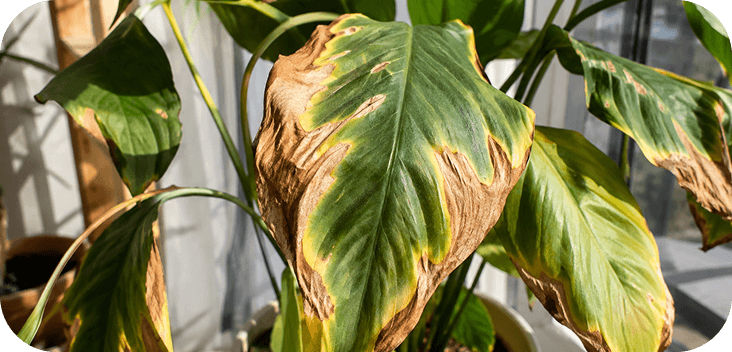
Strong sun is usually tolerated, but stress can appear after sudden exposure or extreme afternoon heat.

Papery scorch:

Leaf areas facing the strongest sun may turn tan, dry, and papery, especially after a quick move from shade.

Bleached patches:

Pale or whitish patches can appear on exposed leaves where tissue has been overheated.

Wilted young leaves:

Fresh leaves may droop during harsh afternoon sun even when older shaded leaves look normal.

Canopy-side pattern:

Damage often shows most on the south or west side, or near pavement and walls that reflect heat.

Reduce exposure gradually by providing light afternoon shade or moving young container trees out of reflected heat. Keep future increases in sun exposure gradual over 1–2 weeks.

Low light weakens growth and canopy density over time. This is most likely in enclosed yards or heavily shaded sites.

  • Leaning growth:

    New shoots may angle toward the brightest opening instead of forming an even canopy.

  • Long spacing:

    Branches can develop wider gaps between leaves when the plant is stretching for light.

  • Small new leaves:

    New foliage may stay smaller than expected during the active growing season.

  • Sparse interior:

    Inner branches may remain thin because too little light reaches developing buds.

Move a young tree or container specimen to a brighter outdoor position with several hours of direct sun. For established trees, reduce nearby shade where practical.

Choose the sunniest available outdoor site, ideally with open sky for most of the day. If only part sun is available, select exposure with morning and midday sun rather than a spot shaded until afternoon.

Improve a marginal site by reducing overhead shade where appropriate, or by moving a young container-grown tree into a brighter open area.

Avoid planting on the north side of tall buildings, where light is often too weak for a dense, well-balanced canopy.

Get Personalized Care Plan

Scan your plant to receive care tips personalized for your specific plant

FAQ

This plant grows best in full sun, with about 6–8 hours of daily light. Part sun is acceptable, but dense shade usually leads to weaker growth.

More Plant Light Guides

Get the Botan App

Discover how to care for your plants with Botan.

Botan app identifying a plant with a phone camera
Banana Peel Water for Plants: 5 Things to Know Before Trying It

5 min read · 9 Jul 2026

Banana Peel Water for Plants: 5 Things to Know Before Trying It

Banana water can provide potassium and some nutrients that may support plant growth, but it is not a universal fix. Use it carefully and only when the plant actually shows signs of nutrient deficiency rather than as a routine treatment.

Plant Care
Banana Peel Water for Plants: 5 Things to Know Before Trying It
Thorny Plants: A Comprehensive Guide

10 min read · 25 Aug 2026

Thorny Plants: A Comprehensive Guide

Many plants defend themselves with sharp thorns. This guide explores over 20 examples among flowers, shrubs, trees, and vines. You'll learn what each plant looks like, why it grows thorns, and how to quickly identify them.

Plant Recommendations
Thorny Plants: A Comprehensive Guide
How to Winterize Your Garden in 6 Steps

5 min read · 28 Sept 2026

How to Winterize Your Garden in 6 Steps

Learn how to prepare your garden for winter with a practical six-step checklist covering cleanup, tender plant care, watering, mulching, winter protection, and winterizing equipment and containers.

Plant Care
How to Winterize Your Garden in 6 Steps