

Rubber Tree (Ficus elastica) Light Needs

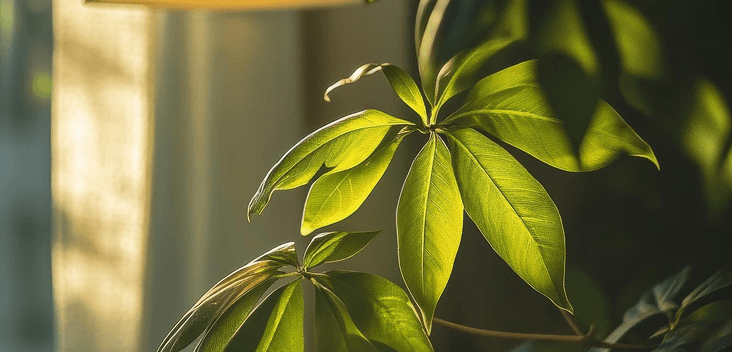
Rubber Tree grows best in bright, indirect light with a few hours of gentle direct sun.

Light Preference

Bright Indirect Light

Ficus elastica Light Requirements

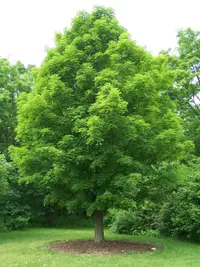
Ficus elastica is native to humid tropical forests of South and Southeast Asia, where young plants often begin life in filtered light or partial shade. As they mature into large canopy trees or grow along brighter forest edges, leaves can receive stronger seasonal sun.

This background explains its flexibility in homes and landscapes, but steady brightness gives the best growth. Preferred light is bright indirect or filtered light.

  • Ideal exposure:

    Rubber Tree needs about 6–8 hours of bright, indirect or filtered light daily, including up to 2–3 hours of gentle direct morning sun.

  • Direct sun tolerance:

    Mature, acclimated plants can tolerate some full sun, but sudden strong sun through glass can scorch exposed leaves.

  • Lower light:

    Shade is tolerated for survival, yet growth usually becomes slower and more open in dim rooms.

  • Afternoon risk:

    Hot west or south afternoon rays are safest when filtered or introduced gradually over several weeks.

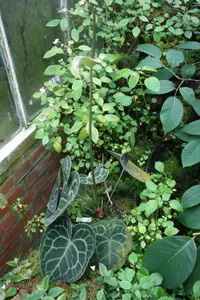
Indoors, Rubber Tree does best where light is bright but not harsh for most of the day.

NConditional
North-facing window:

Use only the brightest unobstructed north-facing window, and keep the plant close to the glass because growth may be slower there.

EBest
East-facing window:

Place it within 1–3 ft of an east-facing window for bright morning sun and steady indirect light through the rest of the day.

SSuitable
South-facing window:

A south-facing window works well if the plant is set 3–6 ft back or the glass is filtered during the strongest midday sun.

WConditional
West-facing window:

A west-facing window can work with a sheer curtain or 4–6 ft of distance because afternoon sun through glass can scorch leaves.

Choose the brightest safe position available, then adjust distance if leaves show sun stress or stretched growth.

Excess light usually shows first on the leaves closest to the sun.

Bleached patches:

Leaves facing the glass may develop pale, washed-out areas after sudden exposure to strong sun.

Dry scorch marks:

Tan or brown patches can form on the most exposed leaf surfaces, especially after hot afternoon sun.

Faded leaf color:

The deep glossy color may look dull or faded where light is too intense for current conditions.

Heat-facing curl:

Exposed leaves may cup or angle away from a hot window during the brightest part of the day.

Move the plant a few feet back from the window or filter the sun with a sheer curtain. Keep bright light, but reduce the harsh direct exposure.

Low light problems develop gradually and are easiest to see in new growth.

  • Longer spacing:

    New leaves may appear farther apart on the stem when light is too weak for compact growth.

  • Leaning stems:

    Growth may angle toward the nearest bright source instead of staying upright and balanced.

  • Smaller leaves:

    New leaves can emerge smaller than older leaves when the plant cannot gather enough energy.

  • Duller color:

    Dark or variegated foliage may look less defined in low light, especially on new growth.

Move the plant gradually into brighter indirect light, closer to a clear window or another bright location. Avoid shifting it straight from shade into harsh direct sun.

If ideal light is not available, choose the brightest spot with a clear view of the sky and keep the plant within a few feet of the glass. Filter harsh midday or afternoon rays with a sheer curtain.

Rotate the pot a quarter turn every 1–2 weeks so new growth stays upright and evenly spaced.

A dim corner across the room is a poor setup because growth usually thins and slows there.

Get Personalized Care Plan

Scan your plant to receive care tips personalized for your specific plant

FAQ

The best light for Rubber Tree is bright indirect or filtered light for about 6–8 hours daily. A short period of gentle morning sun usually supports stronger growth.

Everything About Rubber Tree

More Plant Light Guides

Get the Botan App

Discover how to care for your plants with Botan.

Botan app identifying a plant with a phone camera
Plant Pot Sizes: How to Choose the Right Plant Container

7 min read · 20 Aug 2026

Plant Pot Sizes: How to Choose the Right Plant Container

Plant pot sizes can be confusing because the number on the label only tells you part of the required information. A container may look spacious but actually be too shallow. So, how to choose pot size for plant species?

Beginner Guides
Plant Pot Sizes: How to Choose the Right Plant Container
12 Best Plants That Repel Spiders For Your Home and Garden

8 min read · 24 Jul 2026

12 Best Plants That Repel Spiders For Your Home and Garden

Spiders constantly appear in places you don't want them. A few common plants can help repel them using scent alone. Here are 12 options suitable for both indoors and outdoors, plus care tips for each.

Plant Recommendations
12 Best Plants That Repel Spiders For Your Home and Garden
How Fast Does Bamboo Grow Per Day, Month, and Year

10 min read · 7 Jul 2026

How Fast Does Bamboo Grow Per Day, Month, and Year

Bamboo grows extremely fast: some species can reach 5-6 m in just 3-4 months under the right conditions. This guide explains how much bamboo can grow per day, week, and year, and what affects its growth rate.

Plant Recommendations
How Fast Does Bamboo Grow Per Day, Month, and Year