Frost-aware siting
In regions with late frosts, plant on a gentle slope or slightly elevated mound so cold air can drain away, reducing damage to early blossoms and young shoots.

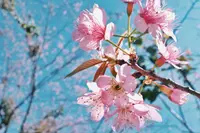
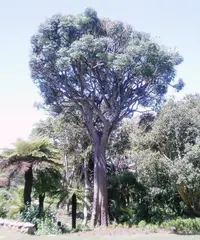
Wild Himalayan cherry, Prunus cerasoides, is a deciduous flowering tree valued for its light pink blossom display on bare branches in the cooler months. It typically forms a medium-sized, upright tree with a relatively open crown and simple, finely serrated leaves that follow the flowers.
This species is native to the Himalayan region and parts of Southeast Asia, where it grows in montane forests and cooler upland areas. In cultivation it prefers full sun, moderate moisture, and well-drained soil, and needs a climate with cool winters.
Good site selection and appropriate climate are the main factors that decide how easy it is to care for Wild Himalayan Cherry.

Care Difficulty
Moderate Care

Light Preference
Full Sun

Water Requirements
Moderate Water

Temperature Preference
Warm Climate

Hardiness Zone
8–10

Soil Texture
Sandy, Loamy, Clay

Soil pH
Acidic (5.5–6.5), Slightly acidic (6.5–7.0)

Soil Drainage
Well-drained

Fertilization
Minimal (feed rarely)
Scan your plant to receive care tips personalized for your specific plant
Available on iOS and Android
This cherry prefers bright, cool conditions with strong light but not harsh, all-day exposure.
This species prefers evenly moist, well-drained soil and is sensitive to prolonged saturation.
This cherry is a cool-temperate tree that handles winter chill but dislikes extreme heat combined with drought.
This cherry species grows best in moderate ambient humidity but copes with typical outdoor fluctuations.
This tree prefers deep, well-structured mineral soil that drains freely but does not dry out rapidly.
This species is only moderately suitable for container growing and works best in large, outdoor tubs for temporary or juvenile cultivation.
Prunus cerasoides benefits from light, targeted feeding rather than heavy fertilization.
Prunus cerasoides responds well to light structural pruning that maintains form and flowering.
This cherry is usually grown in the ground, so focus on correct site planting and careful early transplanting.
Prunus cerasoides is usually propagated from seed or semi-hardwood cuttings under controlled conditions.
This species is moderately cold hardy but benefits from basic winter care in colder regions.

Plant Health Check
Not sure what's wrong with your plant? Check your plant's health inside the app.
This cherry tree often flowers in mid winter in parts of its native range, producing pink blossoms when many other trees are leafless and dormant.
It is naturally distributed in the Himalayan region and adjoining mountains, where it grows at relatively high elevations in cool, temperate to subtropical forests.
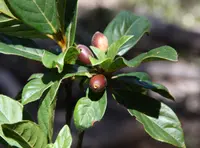
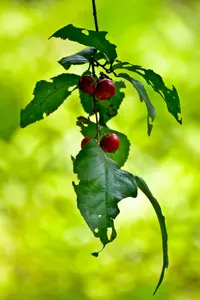
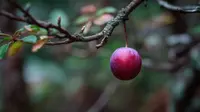
Its small fruits are a significant seasonal food for birds such as bulbuls and barbets, which also help disperse its seeds across mountain slopes.

In parts of northeast India and neighboring regions, this species is planted in large numbers for autumn and winter flowering festivals, where whole hillsides of synchronized pink blossom are used as a seasonal tourist attraction and cultural symbol.
Poor flowering usually results from insufficient winter chill, excessive pruning of young wood, or low light. Mature trees also bloom less if nitrogen is too high. Focus on balanced nutrition and minimal pruning of newer flowering shoots for better display.
Keep your plants happy and healthy with plant identification, disease detection, and easy care guidance.