Wire trellis setup
Install a sturdy 2–3 wire trellis before planting so new shoots can be tied loosely with soft ties as they grow, preventing stem damage and ensuring stable long-term support for heavy fruiting wood.

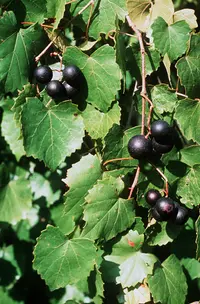
Muscadine, Vitis rotundifolia, is a vigorous deciduous grapevine native to the southeastern United States. It climbs by tendrils and forms dense, woody vines with thick leaves. Clusters of round, thick-skinned berries follow small, inconspicuous flowers and are typically used fresh, for juice, or for preserves. This species is valued for its natural disease resistance and tolerance of heat and humidity, which makes it easier to grow than many European grape varieties. It prefers full sun, moderately fertile, well-drained soil, and consistent moisture but does not like waterlogged conditions. Understanding these traits helps gardeners plan how to care for muscadine in home landscapes or small vineyards.

Care Difficulty
Moderate Care

Light Preference
Full Sun

Water Requirements
Moderate Water

Temperature Preference
Cold Hardy

Hardiness Zone
6–10

Soil Texture
Sandy, Loamy, Clay

Soil pH
Acidic (5.5–6.5), Slightly acidic (6.5–7.0)

Soil Drainage
Well-drained

Fertilization
Minimal (feed rarely)
Scan your plant to receive care tips personalized for your specific plant
Available on iOS and Android
This grape species needs strong sun to produce high-quality fruit and healthy vines.
This vine prefers evenly moist, well-drained soil rather than frequent shallow watering.
This species is adapted to warm, humid climates but tolerates some winter cold when established.
Humidity is not a major factor for Vitis rotundifolia, which adapts well to typical outdoor air levels.
Vitis rotundifolia prefers well-structured, freely draining mineral soil that does not stay waterlogged.
This species can be grown in large outdoor containers, but only with careful structural support and moisture management.
This native grape usually needs modest feeding, especially in average garden soil.
Pruning Vitis rotundifolia is essential for controlling vigor and maintaining fruiting wood.
This grape is usually field-grown, so guidance focuses on transplanting rather than long-term container culture.
Vitis rotundifolia is commonly propagated from cuttings or layering to maintain cultivar traits.
This species is generally cold hardy in much of its range and needs only modest winter attention.

Plant Health Check
Not sure what's wrong with your plant? Check your plant's health inside the app.
This grape species is native to the warm, humid woodlands and river bottoms of the southeastern United States, where it naturally climbs trees and fences using branched tendrils. Its thick, tough bark and strong stems allow it to scramble high into the canopy compared with many other grape species.
Muscadine berries have an unusually thick, slip-off skin that protects the fruit from splitting in humid climates and provides natural resistance to several fungal diseases. The pulp and skin separate easily, which has shaped traditional eating and winemaking methods for this grape.
Wild and cultivated muscadine populations show unusually high genetic diversity for a domesticated fruit crop, with hundreds of locally adapted vines still found in forests and hedgerows. This diversity provides an important genetic resource for breeders working on Vitis rotundifolia plant care and improvement.

Muscadine is one of the first native North American grapes documented by early European explorers in the 1500s, and the famous Scuppernong type from North Carolina is often cited as one of the oldest continuously cultivated grape selections in the United States.
Yellowing leaves often result from nutrient imbalance (especially nitrogen or magnesium), poor drainage, or root stress. Check soil drainage, avoid overwatering, and consider a balanced vineyard fertilizer after a soil test to correct deficiencies gradually.
Keep your plants happy and healthy with plant identification, disease detection, and easy care guidance.