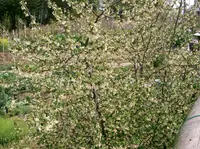
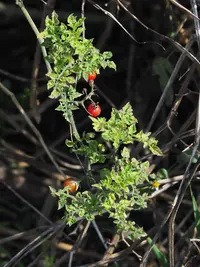
Encourage Bushy Form
After flowering, lightly tip-prune the ends of vigorous shoots to encourage branching and keep the shrub dense rather than leggy, especially in windy or exposed sites.

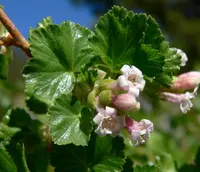
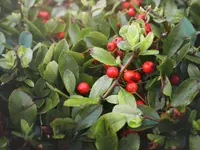
Wax currant (Ribes cereum) is a small, deciduous shrub native to dry, open habitats in western North America, often found on slopes and woodland edges. It typically forms rounded clumps with many slender branches, small rounded leaves, and inconspicuous pale flowers followed by red, waxy berries. The plant is adapted to poor, rocky soils and low to moderate moisture, which makes it suitable for low-input, water-wise landscapes. It usually prefers full sun and well-drained soil. Its drought tolerance and general toughness influence how to care for wax currant, making it a practical choice for gardeners in suitable climates.

Care Difficulty
Easy Care

Light Preference
Full Sun

Water Requirements
Low Water

Temperature Preference
Cold Hardy

Hardiness Zone
4–8

Soil Texture
Sandy, Loamy, Rocky

Soil pH
Slightly acidic (6.5–7.0), Slightly alkaline (7.0–7.5)

Soil Drainage
Well-drained

Fertilization
Minimal (feed rarely)
Scan your plant to receive care tips personalized for your specific plant
Available on iOS and Android
This drought-adapted shrub prefers strong light but tolerates some shade in hot climates.
This species is drought-tolerant and prefers infrequent, deep watering in fast-draining soil.
This shrub is cold-hardy and suited to climates with hot summers and freezing winters.
This shrub is adapted to dry climates and usually needs only 20–40% humidity.
Ribes cereum prefers mineral, well-aerated soils that drain quickly and never stay waterlogged.
This species can be grown in containers if the pot is prepared to mimic its naturally dry, fast-draining conditions.
Ribes cereum is adapted to low-nutrient soils and usually needs minimal fertilization in the landscape.
Pruning Ribes cereum helps maintain a compact shape and encourages flowering on healthy wood.
This species is most often grown in the ground, so focus on careful outdoor transplanting rather than frequent repotting.
Ribes cereum is commonly propagated by seed and semi-hardwood cuttings for home and restoration plantings.
This shrub is naturally cold hardy in much of its range and usually needs little specific winter care.

Plant Health Check
Not sure what's wrong with your plant? Check your plant's health inside the app.
Despite its strong clove-like fragrance, the wax currant’s flowers produce very little nectar; native solitary bees and some flies still visit them, likely attracted by scent and pollen rather than nectar rewards.
This species is native to dry, open slopes and woodlands of western North America but also establishes well after fire, taking advantage of disturbed, sunny sites with well-drained, often rocky soils.
The small, waxy berries are eaten by many birds and small mammals, and the dense, twiggy structure offers shelter and nesting sites, making this shrub a significant structural and food resource in its native shrubland communities.

Wax currant often serves as an alternate host for several white pine blister rust fungi (Cronartium ribicola and related species), which historically led to the removal of Ribes shrubs in some North American forests as a disease control measure, although this practice is now far less common due to better ecological understanding.
This shrub is valuable for wildlife gardens. Its small tubular flowers provide nectar for native bees, bumblebees, and some butterflies, and the berries are eaten by birds, supporting local food webs in dry, temperate landscapes.
Keep your plants happy and healthy with plant identification, disease detection, and easy care guidance.