eastern prickly gooseberry Care (Ribes cynosbati)

Also known as: prickly gooseberry
eastern prickly gooseberry

About eastern prickly gooseberry

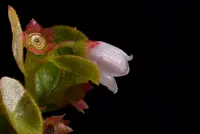
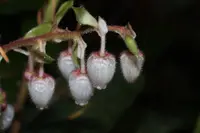
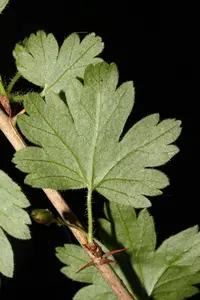
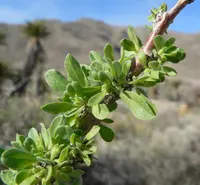
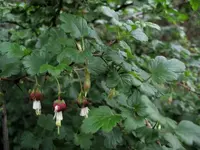
Eastern prickly gooseberry (Ribes cynosbati) is a deciduous shrub native to woodlands, thickets, and forest edges in eastern and central North America. It typically grows with arching, thorny stems and lobed leaves, forming a loose, upright clump. Small greenish flowers develop into round, often bristly, green to reddish berries that are edible when ripe and valued by wildlife and for home use. The shrub is generally hardy and adaptable, but the spines and its tendency to attract fungal leaf diseases can affect how easy it feels to manage. It prefers sun to light shade, moist but well-drained soil, and good air circulation, which helps when learning how to care for eastern prickly gooseberry.

Main Plant Requirements

Care Difficulty

Moderate Care

Light Preference

Partial Sun

Water Requirements

Moderate Water

Temperature Preference

Cold Hardy

Hardiness Zone

3–7

Soil Texture

Loamy, Sandy, Organic-rich

Soil pH

Acidic (5.5–6.5), Slightly acidic (6.5–7.0)

Soil Drainage

Moist but well-drained

Fertilization

Minimal (feed rarely)

Get Personalized Care Plan

Scan your plant to receive care tips personalized for your specific plant

Available on iOS and Android

How to Care for the eastern prickly gooseberry

This shrub prefers cool, bright conditions with protection from intense afternoon sun.

  • Provide 4–6 hours of direct morning sun with light afternoon shade; in hotter regions, use dappled light under open trees to limit leaf scorch.
  • Eastern prickly gooseberry tolerates partial shade (2–4 hours direct sun), but heavy shade reduces flowering and fruit set and encourages leggy growth.
  • In late winter to early spring, ensure branches are not heavily shaded by structures or dense evergreens so new shoots receive enough light for strong growth.

Ribes cynosbati prefers evenly moist, not soggy, soil with good drainage.

  • Water when the top 3–5 cm of soil feels dry, aiming for a deep soak that moistens the root zone rather than frequent shallow splashes.
  • Use loamy, well-drained soil; prolonged puddling, sour smell, yellowing leaves, or wilting despite wet soil indicate overwatering and poor aeration.
  • In spring and early summer, monitor closely during active growth and dry spells; slight midday wilt that recovers by evening signals mild drought stress and need for deeper watering.

This hardy shrub tolerates cold climates but performs best in cool to mild temperatures.

  • Optimal growing temperatures are about 60–75°F (16–24°C), which support steady vegetative growth and fruit development without heat stress.
  • Dormant plants tolerate winter lows near -20°F (-29°C) in many regions, but young shrubs benefit from mulch over the root zone to buffer freeze–thaw cycles.
  • During hot spells above 85°F (29°C), provide soil moisture and afternoon shade, as prolonged heat can reduce fruit quality and increase leaf scorch risk.

Humidity is not a major factor for eastern prickly gooseberry, which thrives in typical outdoor conditions.

Ribes cynosbati prefers cool, moist, well-drained mineral soils that do not stay waterlogged.

  • Use a loamy soil with moderate organic matter, such as native soil amended with 20–30% compost.
  • Aim for slightly acidic to neutral pH, around 6.0–7.0, avoiding strongly alkaline sites.
  • Ensure excess water drains freely; avoid compacted clay and low-lying spots that puddle after rain.
  • Improve aeration and drainage by incorporating coarse sand or fine grit into heavier soils before planting.

This species can be grown in containers, though it performs best in large, stable outdoor pots.

  • Choose a deep container of at least 35–40 cm diameter to give woody roots enough lateral spread and support.
  • Use a heavy, frost-resistant pot material to keep the shrub stable against wind and fruit weight.
  • Select a potting mix formulated for outdoor shrubs, then lighten it with 20–30% coarse bark or perlite to prevent waterlogging.

This shrub fruits well with modest feeding rather than heavy fertilization.

  • Apply a balanced NPK granular fertilizer or rich compost in early spring as new growth begins.
  • Use a light rate, about half the label recommendation, to avoid overly lush, weak shoots on eastern prickly gooseberry.
  • In midseason, top-dress with compost or a slow-release fertilizer if growth and foliage color appear pale.
  • Stop feeding by late summer and avoid fertilization during winter dormancy to allow wood to harden properly.

Thoughtful pruning keeps Ribes cynosbati productive, open, and easier to harvest.

  • Prune during late winter while the plant is fully dormant and leafless for best visibility of the structure.
  • Remove dead, diseased, or damaged canes first, then cut out crossing or very low branches.
  • Thin crowded interior shoots to improve light and air movement, which supports fruiting wood and reduces disease pressure.
  • Use clean, sharp bypass pruners and make cuts just above an outward-facing bud or branch junction.

This gooseberry is usually grown in the ground, so focus on careful outdoor transplanting rather than frequent repotting.

  • Transplant young plants in early spring or fall when soil is moist and temperatures are mild.
  • Move if growth is weak, the plant is shaded out, or roots circle a pot, typically every 3–4 years in containers.
  • Dig a wide hole, loosen circling roots gently, and set the crown at the same soil level in well-drained ground.
  • Water thoroughly after planting, then keep soil evenly moist and mulch lightly to reduce root stress and temperature swings.

Ribes cynosbati is commonly propagated by hardwood or softwood cuttings and by simple layering.

  • Take hardwood cuttings in late fall or winter, 10–15 cm long, and insert into moist, well-drained sand or peat mix.
  • Collect softwood cuttings in late spring, use rooting hormone, and maintain high humidity with bright, indirect light.
  • For layering, bend a low, flexible cane to the ground in spring, bury a section, and sever the new plant once rooted.
  • Seeds can be sown after cold stratification, a chilling period that breaks dormancy, in a cool, protected bed.

This species is cold hardy in much of its native range and needs only minimal winter care in the ground.

  • Tolerates typical winter frosts once established, especially in well-drained soil.
  • Apply a 5–8 cm mulch layer in late fall to insulate roots and moderate freeze–thaw cycles.
  • In very cold or exposed sites, shield young plants with a breathable fabric wrap around the base.
  • Move container-grown plants to a sheltered, unheated but frost-sheltered spot to prevent rootball freezing solid.

Care Tips

Use sturdy supports

Install a low, strong wire or post-and-rail support before the shrub reaches full size, so branches with heavy fruit are held off the ground and easier to harvest without damage from bending or breakage.

Mulch for root cooling

Apply a 5–8 cm layer of organic mulch such as shredded bark or composted wood chips over the root zone each spring, keeping it a few cm away from the stems to reduce soil temperature, conserve moisture, and limit weed competition.

Sanitize pruning tools

Disinfect pruners with 70% isopropyl alcohol or a 10% bleach solution between plants and after removing any diseased wood to reduce the spread of fungal and bacterial problems in a Ribes cynosbati planting.

Manage thorny harvest

Wear thick, snug-fitting gloves and a long-sleeved shirt, and harvest into shallow containers so fruit is not stacked too deeply, which limits thorn scratches and reduces fruit bruising.

Targeted pest monitoring

From leaf-out through mid-summer, inspect the undersides of leaves weekly for gooseberry sawfly larvae and other chewing pests, and remove affected leaves or hand-pick larvae early, which is often sufficient when caring for eastern prickly gooseberry in a home garden.

Common Pests and Diseases

American gooseberry powdery mildew

This disease causes white, powdery fungal growth on young shoots, leaves, and especially fruit, often leading to distorted growth and reduced yield. Symptoms include felt-like patches that can turn brown and felted as tissue ages.

Solution

Prune out and destroy infected shoot tips and any mummified fruit, and open the center of the shrub to improve airflow. Avoid overhead watering, space plants well, and use a sulfur or potassium bicarbonate fungicide labeled for gooseberries at the first sign of mildew, repeating as directed during warm, dry periods.

Gooseberry anthracnose

This disease produces small dark leaf spots that enlarge and cause early leaf drop, reducing plant vigor and fruit size. Symptoms include heavily spotted foliage and bare lower stems by midsummer in wet seasons.

Solution

Remove and destroy fallen leaves and plant debris, and keep the base of the shrub clean to reduce overwintering spores. During wet springs, apply a copper or other labeled fungicide when new leaves emerge and again after flowering, and maintain good spacing and pruning to improve air circulation.

Gooseberry fruitworm

This pest is the larval stage of a small moth that bores into developing berries, causing them to turn soft, discolored, and drop early. This pest often leaves frass (sawdust-like droppings) on damaged fruit clusters.

Solution

Hand-pick and destroy infested berries and nearby damaged clusters as soon as they are noticed, and remove dropped fruit from the ground. In early spring, encourage natural predators and, if needed, apply a Bacillus thuringiensis (Bt) product labeled for caterpillars just after petal fall when young larvae begin feeding on fruit.

Currant sawfly

These insects are greenish, caterpillar-like larvae that skeletonize leaves, often stripping Ribes cynosbati bushes quickly if not controlled. Symptoms include rapid defoliation beginning on lower branches and clusters of larvae on the undersides of leaves.

Solution

Inspect bushes frequently in spring and early summer, hand-picking and crushing larvae or knocking them into soapy water. For heavier infestations, use a horticultural soap or spinosad product labeled for sawflies, coating leaf undersides thoroughly while protecting nearby pollinators by treating in the evening.

Currant aphid

This pest forms colonies on young shoots and leaf undersides, causing curling, distortion, and sticky honeydew that can attract sooty mold. This pest can weaken new growth and reduce fruit quality if populations are high.

Solution

Spray colonies off with a firm stream of water and prune out heavily infested shoot tips. If needed, apply insecticidal soap or horticultural oil to leaf undersides, repeat at intervals, and encourage beneficial insects such as lady beetles by avoiding broad-spectrum insecticides as part of practical Ribes cynosbati care.

Interesting Facts

North American specialist

This shrub is native to eastern and central North America and is strongly associated with open woodlands, forest edges, and rocky slopes, rather than the cooler, more northern habitats favored by several other gooseberry relatives.

Distinctive bristly berries

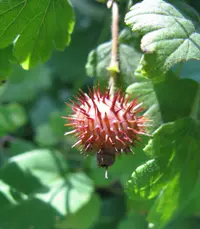
Its translucent green to reddish fruits are covered in stiff bristles, a key diagnostic feature that helps distinguish it from smooth-fruited Ribes species growing in the same regions.

Rust disease role

Ribes cynosbati can serve as an alternate host for white pine blister rust, a fungal disease that also infects 5-needle pines, which historically led to regional efforts to remove wild Ribes populations near white pine forests.

Botan icon

Did you know?

The species epithet cynosbati comes from Greek roots meaning roughly dog berry or dog bramble, reflecting the plant’s spiny, bristly character that early botanists found notable enough to embed in its scientific name.

FAQs about eastern prickly gooseberry

The berries and young leaves are edible when properly identified and harvested from unpolluted areas. Fruits are tart to mildly sweet and often used in jams, pies, or sauces. Avoid unripe, damaged, or moldy fruit.

Grow Healthy Plants with Botan Care

Keep your plants happy and healthy with plant identification, disease detection, and easy care guidance.

Botan plant care app — identify plants on mobile

Explore More Plants