Install sturdy support
Set strong posts and 2–3 horizontal wires at 30–45 cm intervals, then tie in the arching canes loosely with soft ties to keep fruit off the ground and improve air movement through the bush.

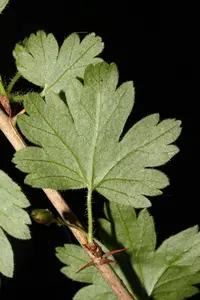
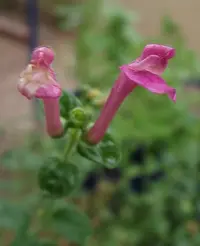
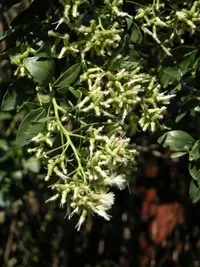
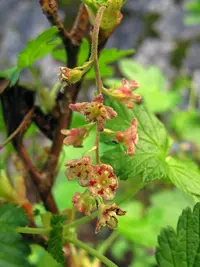
Spreading gooseberry, Ribes divaricatum, is a deciduous shrub grown mainly for its edible berries and thorny, arching branches. It forms a loose, spreading clump that can integrate well into naturalistic or edible landscapes.
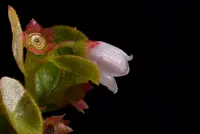
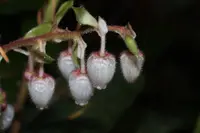
This species is native to western North America, where it occurs in woodland edges, moist thickets, and coastal scrub. Its small, tubular spring flowers are followed by dark purple to black berries that attract wildlife.
The plant is generally hardy and adaptable, which makes it fairly straightforward for gardeners who want to care for spreading gooseberry. It prefers sun to light shade, moderately moist but well-drained soil, and benefits from some protection from extreme heat and drying winds.

Care Difficulty
Moderate Care

Light Preference
Partial Shade

Water Requirements
Moderate Water

Temperature Preference
Cold Hardy

Hardiness Zone
5–8

Soil Texture
Sandy, Loamy, Organic-rich

Soil pH
Acidic (5.5–6.5), Slightly acidic (6.5–7.0)

Soil Drainage
Moist but well-drained

Fertilization
Minimal (feed rarely)
Scan your plant to receive care tips personalized for your specific plant
Available on iOS and Android
Ribes divaricatum prefers cool, bright conditions with some protection from intense afternoon sun.
This shrub prefers evenly moist, well-drained soil and does not tolerate waterlogged conditions.
This species is adapted to cool to mild climates and handles significant winter cold once established.
Humidity has little impact on Ribes divaricatum compared with light, soil, and watering.
Ribes divaricatum grows best in moist, well-structured mineral soil with steady drainage.
This species can be grown in containers outdoors if the pot provides enough root volume and stability.
This shrub grows well in average garden soil but responds to modest feeding during active growth.
Thoughtful pruning keeps Ribes divaricatum productive, manageable, and healthier.
This species is usually grown in the ground, so focus on careful outdoor transplanting rather than frequent repotting.
Gardeners commonly increase plants by cuttings and layering, with seeds used mainly for breeding or diversity.
This shrub is naturally cold hardy in many temperate climates and usually needs only minimal winter attention.

Plant Health Check
Not sure what's wrong with your plant? Check your plant's health inside the app.
This species is native to the Pacific Northwest of North America, typically found from British Columbia down through parts of Washington, Oregon, and northern California, often in moist woods and along forest edges.
Unlike many currants, this gooseberry has stout, sharp nodal spines on the stems and often additional slender thorns on the fruiting pedicels, giving it a distinctly armed appearance that helps deter browsing animals.
Its tubular flowers provide an early nectar source for hummingbirds and native bees, and the dark purple to almost black fruits later in the season are eaten by various birds and small mammals, linking spring pollinators with summer frugivores.

In coastal and lowland habitats of the Pacific Northwest, this species can form loose, arching thickets that act as natural nurse plants, sheltering seedlings of shade-tolerant trees and understory species from herbivory and excessive sun while the forest regenerates.
The berries are edible when fully ripe and are used fresh, in jams, or preserves. Unripe fruits are very tart. Avoid eating large amounts of raw leaves or stems, as they may cause mild stomach discomfort in some people.
Keep your plants happy and healthy with plant identification, disease detection, and easy care guidance.