Cherry Skullcap Care (Scutellaria suffrutescens)

Cherry Skullcap

About Cherry Skullcap

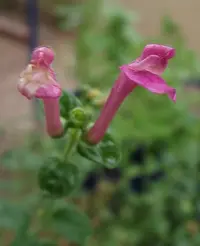
Cherry skullcap (Scutellaria suffrutescens) is a low, mounding perennial subshrub known for its dense mat of small leaves and bright pink, tubular flowers. It typically forms a compact cushion that works well at the front of borders, in rock gardens, or spilling gently over edges.

This species is native to dry, rocky areas of northeastern Mexico, so it is naturally adapted to heat, sun, and relatively poor, well-drained soils. Its drought tolerance and modest size make it a practical choice for gardeners looking to care for Cherry Skullcap with limited fuss.

It generally prefers full sun, low to moderate moisture, and soil that never stays waterlogged, which keeps it relatively easy to manage in suitable climates.

Main Plant Requirements

Care Difficulty

Easy Care

Light Preference

Full Sun

Water Requirements

Low Water

Temperature Preference

Warm Climate

Hardiness Zone

7–10

Soil Texture

Sandy, Loamy, Rocky

Soil pH

Slightly acidic (6.5–7.0), Neutral (7.0)

Soil Drainage

Well-drained

Fertilization

Minimal (feed rarely)

Get Personalized Care Plan

Scan your plant to receive care tips personalized for your specific plant

Available on iOS and Android

How to Care for the Cherry Skullcap

This compact perennial prefers bright, direct sun but accepts some light shade, especially in hotter regions.

  • Aim for 6–8 hours of direct sun daily; in hot summers, give Scutellaria suffrutescens morning sun with light afternoon shade to limit leaf scorch.
  • In regions with intense sun, use filtered light or dappled shade from 1–4 p.m. to prevent bleaching and crispy leaf edges.
  • If stems become lanky, flowering decreases, or foliage turns pale, the plant is likely in too much shade and needs a brighter position.

This plant prefers slightly dry conditions and is sensitive to prolonged soggy soil.

  • Water when the top 3–5 cm of soil feels dry, then soak the root zone thoroughly and allow excess to drain away.
  • Use sharply drained, gritty or sandy soil; pooling water or slow-draining clay greatly increases root rot risk for Scutellaria suffrutescens.
  • In summer heat, monitor more often for wilting or dull, drooping foliage; in cooler months, reduce frequency and watch for yellowing leaves as a sign of overwatering.

This woody skullcap favors warm, dry conditions and dislikes hard frost or humid chill.

  • Ideal growing temperatures are 70–85°F (21–29°C), which support compact growth and reliable flowering through the warm season.
  • Mature plants tolerate short dips to about 20°F (-7°C), but repeated freezes below this can kill stems; apply mulch around the base in winter in colder areas.
  • Heat-tolerant up to about 100°F (38°C) if soil drains well; in prolonged heat waves, avoid overhead watering in full sun to reduce stress and foliage scorch.

This species handles a wide range of household humidity and rarely needs special humidity management.

  • Aim for 30–50% humidity, similar to most heated homes, as a comfortable range for Cherry Skullcap.
  • Plant tolerates dry air well, but very hot, dry drafts can cause slight leaf edge browning and reduced flowering.
  • If air is extremely dry, group pots together or place on a pebble tray with water below the pot base to gently raise local humidity.

This plant prefers lean, fast-draining mineral soil that does not stay wet after watering.

  • Use a gritty mix such as 50–60% sandy or loamy garden soil blended with coarse sand or fine gravel for structure.
  • Ensure rapid drainage; water should exit the pot or bed within seconds, not pool on the surface or in the saucer.
  • Keep pH roughly neutral to slightly alkaline (about 6.5–7.5), avoiding strongly acidic mixes designed for ericaceous plants.
  • For Scutellaria suffrutescens, avoid heavy clay or peat-rich mixes; if soil compacts, lighten it with perlite or small grit to improve aeration.

This species is well suited to container growing outdoors in sunny, dry locations.

  • Choose a wide, shallow container that matches the plant’s spreading habit so stems can trail without crowding the root zone.
  • Select terracotta or another porous material to help excess moisture evaporate faster in wet weather.
  • Add a top layer of coarse gravel to stabilize the plant’s low, mounding growth and reduce soil splash during heavy rain.

This drought-tolerant subshrub needs only modest feeding, so keep fertilizer light for healthy, compact growth in Cherry Skullcap.

  • Use a balanced, slow-release granular fertilizer (around 10-10-10) or a thin layer of compost in early spring.
  • Feed once at the start of the growing season; a second light application in midsummer is usually enough in poor soils.
  • Apply at half the label rate to avoid lush, floppy growth and reduced flowering.
  • Stop feeding in late summer and avoid fertilizing during winter dormancy.

Thoughtful pruning helps Scutellaria suffrutescens stay compact and flower well.

  • Time main pruning for late winter or very early spring before new growth starts.
  • Use clean, sharp hand pruners to remove dead, damaged, or crossing stems at the base.
  • Lightly shear or tip back stems after the first main flush of blooms to encourage branching and repeat flowering.
  • Avoid cutting into very old, woody bases; focus on younger, leafy growth for shaping.

This low shrub is more often transplanted in the garden than repotted, and it dislikes heavy disturbance once established.

  • Transplant in spring or early fall, when temperatures are mild and soil is workable.
  • Move plants only when growth slows, roots circle the pot, or the clump outgrows its space.
  • Lift with a wide root ball, keep roots shaded and moist, and replant at the same depth in well-drained soil.
  • Water thoroughly after transplanting, then keep evenly moist (not soggy) for 1–2 weeks to limit root stress.

New plants are most often produced from softwood cuttings or careful division of established clumps.

  • Take 5–8 cm softwood cuttings in late spring to early summer from non-flowering shoots.
  • Remove lower leaves, dip cut ends in rooting hormone, and place in a moist, free-draining mix under bright, indirect light.
  • Maintain high humidity and moderate warmth (68–75°F) until roots form, then harden off gradually.
  • Divide older clumps in early spring, keeping divisions small with plenty of fibrous roots and watering well afterward.

In mild to moderately cold climates this species is fairly hardy and usually needs only minimal winter care.

  • Plants tolerate light frosts but may suffer in prolonged freezes below about 15–20°F, especially in poorly drained soil.
  • Apply a 5–7 cm mulch layer around, but not against, the crown in late fall to buffer temperature swings.
  • In colder zones, grow in containers and move to a sheltered, frost-free but cool, bright spot for winter.

Care Tips

Encourage Bushy Form

Pinch back soft shoot tips in late spring and early summer to promote dense, low mounding growth and delay woody, leggy stems.

Light Shear After Bloom

After the main flush of flowers, lightly shear just the top 2–3 cm of growth to trigger a second, more compact wave of flowering without stressing the plant.

Improve Heat Resilience

In very hot climates, top-dress the root zone with 2–3 cm of mineral mulch such as gravel or decomposed granite to keep the crown cooler and reduce moisture fluctuations.

Root Zone Protection

When grown in containers, choose a wide, shallow pot and keep the root ball slightly snug, since moderate root restriction helps maintain a compact, floriferous habit and prevents excessive woody growth.

Targeted Pest Monitoring

Inspect stems and leaf axils every 1–2 weeks during warm, dry weather for early signs of spider mites, and if found, use a strong water spray or horticultural soap before damage spreads when growing Cherry Skullcap.

Common Pests and Diseases

Spider mites

This pest often appears in hot, dry weather and feeds on the undersides of leaves, causing fine stippling and a dull, dusty look. Symptoms include very fine webbing between stems and foliage and gradual yellowing or bronzing of the plant.

Solution

Rinse foliage thoroughly with a strong but gentle stream of water, focusing on the undersides of leaves, and repeat every few days. For persistent infestations, use insecticidal soap or a ready-to-use horticultural oil spray, and keep the plant slightly more humid and well watered but not soggy to reduce mite pressure.

Aphids

These insects cluster on new shoots and flower stems, sucking sap and causing curled, distorted growth and sticky honeydew on leaves. Ant activity around the plant is often a sign of an aphid colony feeding on soft tissues.

Solution

Pinch or prune heavily infested shoot tips, then wash remaining stems with water to dislodge insects. If needed, apply insecticidal soap or neem oil, making sure to coat all sides of stems and leaves, and repeat at 5–7 day intervals until no new aphids appear.

Botrytis blight

This disease thrives in cool, damp conditions and poor air circulation, leading to soft, water-soaked spots on leaves and stems that develop fuzzy gray mold. Symptoms include dieback of tender shoots and spotting on flowers during extended wet weather.

Solution

Remove and discard all affected stems, leaves, and spent flowers, then improve airflow by thinning crowded growth and avoiding overhead watering. Water at soil level in the morning, keep foliage as dry as possible, and in severe or recurring cases consider a labeled fungicide, especially in greenhouse or nursery settings.

Crown and stem canker

This disease causes sunken, dark lesions at the base of stems or along lower branches, leading to gradual wilting and dieback from the affected section upward. Symptoms include cracking or girdling at the crown where stems meet the woody base.

Solution

Cut out affected stems well below the canker into healthy tissue, sterilizing pruning tools between cuts, and dispose of all infected material. Improve drainage, avoid wounding the woody base, prevent mulch from touching stems, and do not overwater, since stressed plants are more susceptible and these steps are central to Scutellaria suffrutescens plant care.

Interesting Facts

Woody subshrub habit

This species is unusual among many skullcaps because it forms a low, woody subshrub rather than remaining a soft, herbaceous perennial, giving it a more persistent, shrub-like framework from year to year.

Continuous warm-season flowering

In mild, frost-free climates, it can flower repeatedly from late spring through fall, producing small pink to rose-colored blooms over an extended season that supports pollinators for many months.

Heat and drought adaptation

Native to arid regions of northeastern Mexico, it is adapted to high light, heat, and periods of low moisture, which makes Scutellaria suffrutescens care comparatively forgiving in hot, dry gardens.

FAQs about Cherry Skullcap

This species performs best outdoors in sunny, well-drained spots. Indoors it tends to get leggy and bloom less due to lower light and airflow, so Cherry Skullcap indoor care is usually more challenging long term.

Grow Healthy Plants with Botan Care

Keep your plants happy and healthy with plant identification, disease detection, and easy care guidance.

Botan plant care app — identify plants on mobile

Explore More Plants