Provide sturdy support
Install a strong trellis, wire system, or arbor before planting and train new shoots along it with soft ties so the vigorous vines do not break or twist in wind.

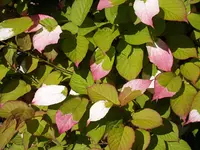
Arctic Beauty (Actinidia kolomikta) is a cold-hardy deciduous vine grown mainly for its striking variegated foliage. Mature leaves often show green centers with white and soft pink tips, especially on male plants.
It naturally occurs in cool, forested regions of East Asia, where it scrambles over shrubs and trees. In gardens it needs a support structure and can form a light, decorative screen.
This species is relatively robust in cool and temperate climates but resents hot, dry conditions. Understanding how to care for Arctic Beauty starts with providing consistent moisture, well-drained soil, and protection from harsh afternoon sun.

Care Difficulty
Moderate Care

Light Preference
Partial Sun

Water Requirements
Moderate Water

Temperature Preference
Cold Hardy

Hardiness Zone
3–8

Soil Texture
Loamy, Sandy, Organic-rich

Soil pH
Acidic (5.5–6.5), Slightly acidic (6.5–7.0)

Soil Drainage
Moist but well-drained

Fertilization
Minimal (feed rarely)
Scan your plant to receive care tips personalized for your specific plant
Available on iOS and Android
This hardy vine prefers bright conditions with gentle sun exposure for best foliage color and flowering.
This species prefers evenly moist, well-drained soil and reacts quickly to prolonged dryness or saturation.
This cold-hardy vine tolerates low temperatures but grows best within a moderate range.
Humidity plays only a minor role for this hardy vine, which adapts well to typical outdoor levels.
Actinidia kolomikta prefers deep, loose, evenly moist soil that drains freely yet retains consistent moisture.
This species can be grown in containers if the pot is large and stable enough to support vigorous climbing growth.
This hardy vine benefits from modest feeding to support foliage color and flowering without excessive leafy growth.
Thoughtful pruning keeps Actinidia kolomikta productive, manageable, and well-shaped on its support.
This vine is usually grown in the ground, so focus on careful transplanting and only occasional container repotting.
New Actinidia kolomikta plants are commonly produced from cuttings or layering to maintain desirable traits.
This species is quite cold hardy but benefits from some winter root and stem protection, especially when young or container-grown.

Plant Health Check
Not sure what's wrong with your plant? Check your plant's health inside the app.
This species is one of the hardiest kiwis, able to survive winter temperatures down to about −30°F (−34°C), far beyond the tolerance of the common fuzzy kiwi, Actinidia deliciosa.
Mature leaves can develop striking green, white, and pink sectors, a variegation pattern that tends to be strongest on male plants and is influenced by light intensity and plant age.
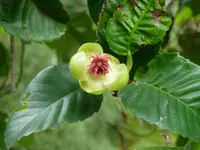
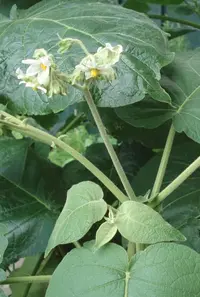
It typically flowers earlier in spring than most other Actinidia species, producing small, fragrant, insect-pollinated white blossoms that open before many fruiting kiwis in temperate gardens.

In parts of its native range in northeastern Asia, wild populations serve as a food source for brown bears and other mammals, which eat the vitamin C–rich berries and help disperse the seeds through their droppings across forest landscapes.
This vine is generally moderate-growing, adding about 30–60 cm of length per year once established. Growth is twining and vertical when support is provided, forming a loose, branching framework rather than a dense, woody structure.
Keep your plants happy and healthy with plant identification, disease detection, and easy care guidance.