Rhizome division timing
Divide mature clumps only during active spring growth, slicing the rhizome into firm, rooted sections and replanting immediately to renew vigor and control plant size.

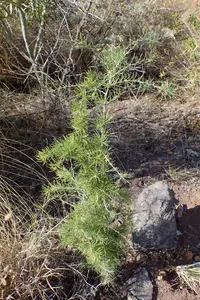
Asparagus pastorianus is a perennial climbing species in the asparagus family, grown mainly for its fine, fern-like foliage. It forms slender, twining stems with soft cladodes that create a light, airy texture rather than true leaves. Native to parts of southern Africa, it is adapted to mild, relatively dry climates and often grows among shrubs or in open woodland. This background makes it moderately tough but sensitive to prolonged cold or waterlogged conditions. It responds well to bright, indirect light, evenly moist but not soggy soil, and good drainage. In cultivation, understanding how to care for Asparagus pastorianus helps keep its foliage dense and healthy.

Care Difficulty
Moderate Care

Light Preference
Partial Shade

Water Requirements
Moderate Water

Temperature Preference
Warm Climate

Hardiness Zone
Unknown

Soil Texture
Loamy, Sandy, Organic-rich

Soil pH
Acidic (5.5–6.5), Slightly acidic (6.5–7.0)

Soil Drainage
Well-drained

Fertilization
Minimal (feed rarely)
Scan your plant to receive care tips personalized for your specific plant
Available on iOS and Android
This species prefers bright, indirect light with some protection from intense midday sun.
This plant prefers evenly moist but not waterlogged soil that dries slightly between waterings.
This species grows best in mild, frost-free conditions with stable temperatures.
This species appreciates moderate humidity and usually adapts well to typical household levels.
Asparagus pastorianus prefers a loose, airy, fast-draining substrate that still holds some consistent moisture.
This species is well suited to container growing when the pot supports its spreading, fibrous root system.
This species benefits from moderate feeding during active growth but does not require heavy fertilization.
Light, targeted pruning keeps this plant tidy and supports healthy, dense growth.
Container-grown plants benefit from occasional repotting to maintain root health and steady growth.
This species is most reliably propagated by division, with seeds used when division material is limited.
In mild climates this species is fairly resilient, but colder regions require some basic winter precautions.

Plant Health Check
Not sure what's wrong with your plant? Check your plant's health inside the app.
The species was described in the 19th century from cultivated material, and the original herbarium specimens (type material) used to name Asparagus pastorianus are considered missing or uncertain, which complicates precise taxonomic comparison with related species.
Botanists note that the true native range of this species is poorly documented, as it has mainly been known from cultivation and horticultural records rather than confirmed wild populations.
Some modern taxonomic treatments list the name Asparagus pastorianus with limited or uncertain status, reflecting ongoing reevaluation of its distinctness relative to morphologically similar Asparagus species.
Yellowing foliage usually results from root stress, often due to chronic overwatering, compacted soil, or long-term underwatering. Nutrient depletion or old stems aging off can also cause gradual yellowing, especially on older fronds rather than new growth.
Keep your plants happy and healthy with plant identification, disease detection, and easy care guidance.