Use Strong Trellis
Install a sturdy vertical trellis, fence, or wires before planting so the vigorous vines can be guided upward early, which improves air flow, light exposure, and fruit quality.

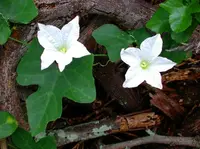
Ivy gourd, Coccinia grandis, is a fast-growing climbing vine in the cucumber family, often grown on trellises, fences, or pergolas. It has slender stems, tendrils, and small white flowers that develop into smooth, elongated fruits.
This species is native to tropical regions of Africa and Asia and is now naturalized in many warm climates. In suitable conditions it can spread quickly, so growth control is important.
For those learning how to care for ivy gourd, its main needs are warm temperatures, consistent moisture without waterlogging, and a well-drained, fertile soil. It prefers sunny to lightly shaded positions and benefits from sturdy support to climb well.

Care Difficulty
Moderate Care

Light Preference
Full Sun

Water Requirements
Regular Water

Temperature Preference
Tropical / Frost Sensitive

Hardiness Zone
10–11

Soil Texture
Sandy, Loamy, Organic-rich

Soil pH
Acidic (5.5–6.5), Slightly acidic (6.5–7.0)

Soil Drainage
Moist but well-drained

Fertilization
Moderate (every 2–4 weeks)
Scan your plant to receive care tips personalized for your specific plant
Available on iOS and Android
This vigorous climber needs strong light to flower and fruit well outdoors.
This fast-growing vine prefers evenly moist but never waterlogged soil.
This tropical vine grows best in consistently warm conditions without frost.
This species handles typical home humidity but benefits from moderately moist air in very dry climates.
Coccinia grandis prefers loose, well-drained, moderately fertile soil that does not stay waterlogged.
This species adapts well to container growing when given adequate root space and support for its vines.
Coccinia grandis responds well to moderate feeding during its active growing season for sustained vine and fruit production.
Thoughtful pruning keeps Coccinia grandis manageable, productive, and well-shaped as a vigorous climbing vine.
This vigorous climber is more often transplanted outdoors than repotted, but container plants do benefit from periodic size upgrades.
Coccinia grandis is commonly propagated from both seeds and stem cuttings for home and small-scale production.
This tropical vine is frost-sensitive and needs protection or mild conditions to survive winter in cooler climates.

Plant Health Check
Not sure what's wrong with your plant? Check your plant's health inside the app.
In parts of South and Southeast Asia, the tender shoots, leaves, and immature fruits are widely used as vegetables, and the plant has been semi-domesticated from its wild climbing form for regular cultivation.
Coccinia grandis is dioecious, meaning individual plants are either male or female, so only female plants produce fruit and successful seed production requires nearby male plants for pollination.
In tropical and subtropical regions such as Hawaii and parts of Florida, this species is considered invasive because its fast-growing vines can blanket trees and shrubs, reducing light and competing strongly with native vegetation.

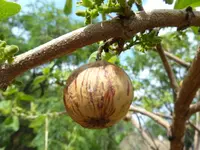
The young fruits of Coccinia grandis show striking white stripes that often fade or break up as they mature, a pattern thought to help camouflage them among dappled light and foliage in their native habitats.
Yellowing leaves usually come from overwatering, poor drainage, or nutrient imbalance, especially nitrogen or iron deficiency. Check that the soil drains well, reduce watering frequency, and apply a balanced fertilizer or iron chelate if needed.
Keep your plants happy and healthy with plant identification, disease detection, and easy care guidance.