hairytwig huckleberry Care (Gaylussacia tomentosa)

Also known as: blue huckleberry
hairytwig huckleberry

About hairytwig huckleberry

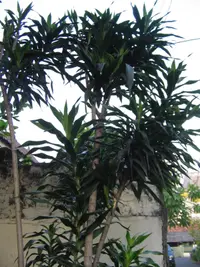
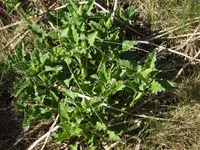
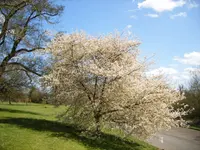
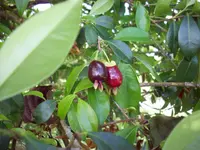
Hairytwig huckleberry (Gaylussacia tomentosa) is a deciduous shrub in the heath family, related to blueberries. It typically forms low, bushy clumps with many fine, hairy twigs and small, oval leaves.

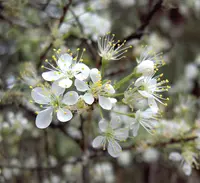
The plant bears urn-shaped white to pinkish flowers, followed by dark, edible berries that support wildlife. It naturally occurs in sandy pine woods, coastal plains, and dry open habitats in the southeastern United States.

This species is adapted to acidic, well-drained soils and tolerates drought once established, which can make it relatively manageable in the right site. Understanding how to care for hairytwig huckleberry starts with matching its preference for sun to light shade and low-fertility, sandy soil.

Main Plant Requirements

Care Difficulty

Moderate Care

Light Preference

Partial Sun

Water Requirements

Regular Water

Temperature Preference

Cold Hardy

Hardiness Zone

6–9

Soil Texture

Sandy, Loamy, Organic-rich

Soil pH

Strongly acidic (4.5–5.5), Acidic (5.5–6.5)

Soil Drainage

Moist but well-drained

Fertilization

Minimal (feed rarely)

Get Personalized Care Plan

Scan your plant to receive care tips personalized for your specific plant

Available on iOS and Android

How to Care for the hairytwig huckleberry

This shrub prefers bright outdoor conditions with protection from harsh extremes of sun exposure.

  • Provide 4–6 hours of direct morning sun with light afternoon shade; dappled forest-edge light suits hairytwig huckleberry well.
  • Plant where it receives partial shade during the hottest hours to prevent leaf scorch and dry, stressed foliage in summer.
  • In cooler climates, slightly more sun (up to 6–7 hours) improves flowering and fruiting; in hotter regions, increase filtered shade to maintain vigor.

This species prefers consistently moist, acidic, well-drained soil rather than alternating drought and saturation.

  • Outdoors in the ground, allow the top 2–4 cm of soil to dry slightly, then water deeply so moisture reaches the root zone without pooling.
  • During hot, dry periods, check soil 2–3 times per week; in cool or rainy seasons, reduce watering and rely more on natural rainfall.
  • Gaylussacia tomentosa shows underwatering through drooping, dull leaves, while yellowing foliage and soggy soil indicate poor drainage or excess water.

This shrub is naturally adapted to temperate climates with cool to warm conditions and winter cold.

  • Active growth is strongest around 60–75°F (16–24°C), with good performance in typical spring and fall outdoor temperatures.
  • Mature plants tolerate winter lows near 0°F (−18°C) when hardened, but new or shallow-rooted plants benefit from mulch against freeze-thaw cycles.
  • In summer, it manages short heat waves up to about 90°F (32°C) if soil moisture is maintained; prolonged higher heat can slow growth and stress foliage.

This shrub prefers moderate outdoor humidity but tolerates a fairly wide range.

  • Aim for 40–60% humidity in cultivation, similar to typical temperate outdoor conditions.
  • Dry, hot winds can increase leaf edge browning and tip dieback, especially in shallow or drought‑stressed roots.
  • Use mulch over the root zone and occasional wind protection screens to buffer moisture loss in exposed sites.

This species needs acidic, well‑drained yet consistently moist soil similar to that used for blueberries.

  • Use a loose, sandy or sandy‑loam texture with high organic matter, such as pine bark fines mixed with peat or coco coir.
  • Target an acidic pH of 4.5–5.5, which matches natural conditions for Gaylussacia tomentosa and supports nutrient uptake.
  • Ensure rapid drainage by blending 20–30% coarse sand or perlite to prevent waterlogging around fine feeder roots.
  • Avoid heavy clay, compacted ground, or lime‑rich amendments that raise pH and restrict iron and manganese availability.

This species can be grown in containers short‑ to medium‑term if moisture and acidity are carefully managed.

  • Choose a deep, heavy container that resists tipping and allows the woody root system to anchor securely.
  • Drill extra side holes near the base if the mix stays wet for more than 2–3 days after watering.
  • Use a tall, narrow pot shape to concentrate the acidic ericaceous mix around the roots and limit pH drift from tap water.

This native shrub usually needs little feeding when grown in suitably acidic, organically rich soil.

  • Apply a light top-dressing of compost or leaf mold in early spring to support steady growth.
  • If needed, use a slow-release, acid-forming balanced fertilizer (around 10-10-10) at half strength once in spring.
  • Avoid feeding during winter dormancy; excess nutrients can reduce flowering and stress the roots of hairytwig huckleberry.
  • Do not apply fertilizer to dry soil; water before and after feeding to limit root burn.

Pruning Gaylussacia tomentosa is mainly about light thinning to maintain health and natural form.

  • Best time is late winter to very early spring, before new growth starts.
  • Remove dead, diseased, or crossing stems with clean, sharp bypass pruners.
  • Thin out the oldest, weakest branches at the base to encourage vigorous new shoots and better flowering.
  • Avoid heavy shearing; follow the shrub’s natural outline, shortening only overlong stems.

This shrub is usually grown in the ground, so care focuses on transplanting rather than frequent repotting.

  • Transplant young Gaylussacia tomentosa plants in early spring or early fall when temperatures are mild.
  • Look for signs like poor vigor, roots circling a nursery pot, or drying out very fast as cues to shift plants.
  • Move into a slightly larger, wide container or prepared bed with acidic, well-drained soil and minimal root disturbance.
  • Water thoroughly after planting, then keep evenly moist and shaded for 1–2 weeks to reduce transplant shock.

Propagation of Gaylussacia tomentosa is achievable for home growers using a few basic methods.

  • Take semi-hardwood cuttings in mid to late summer, use an acidic, well-drained medium, and maintain high humidity.
  • Try simple layering in spring by pinning a low stem to the soil until roots form, then sever from the parent.
  • Sow cleaned seeds in fall or after cold stratification, using acidic, low-nutrient substrate for best germination.
  • Dividing naturally suckering clumps in early spring can extend a planting with minimal disturbance.

This cold-hardy shrub usually needs only modest winter care in most temperate climates.

  • Established plants tolerate typical frosts in USDA zones where they are recommended.
  • Apply a 5–8 cm layer of bark or leaf mulch over the root zone in late fall, keeping it off the stems.
  • Container-grown plants benefit from being placed in a sheltered spot or unheated garage during severe freezes.

Care Tips

Site preparation

Before planting, loosen the soil 20–30 cm deep and incorporate pine bark fines or shredded pine needles into the top 10–15 cm to create a loose, acidic, well-aerated rooting zone that this shrub can colonize quickly.

Mulch for berry yield

Maintain a 5–8 cm layer of pine bark or pine needle mulch around the root zone, keeping it a few cm away from stems, to stabilize soil moisture and temperature and encourage larger, more abundant berries.

Mycorrhiza support

When planting into previously disturbed or non-woodland soils, mix a small amount of soil taken from beneath healthy ericaceous shrubs (such as wild blueberries or azaleas) into the backfill to introduce compatible mycorrhizal fungi that improve nutrient uptake.

Low-input pruning

After fruiting, remove only the oldest, weakest, or crossing stems at the base to maintain an open, twiggy structure that admits light into the center and supports consistent flowering and fruiting on younger wood.

Wildlife-friendly spacing

Space plants in loose clusters 60–90 cm apart to form a small thicket that shelters pollinators and birds while still allowing air flow, which reduces fungal problems and simplifies caring for hairytwig huckleberry over time.

Common Pests and Diseases

Blueberry maggot

This pest is a small fly whose larvae tunnel inside ripening berries, causing them to soften, discolor, and drop prematurely.

Solution

Pick and destroy infested and fallen berries, keep the ground well cleaned of fruit, and use fine mesh netting over shrubs during fly activity to prevent egg-laying; in larger plantings, yellow sticky traps can help monitor and reduce adult populations.

Cranberry fruitworm

This pest is a caterpillar that bores into green to pink berries, leaving webbing and causing clusters of berries to shrivel and fail to ripen.

Solution

Hand-remove and destroy webbed berry clusters, keep leaf litter and plant debris cleared from around shrubs, and encourage natural predators by maintaining diverse nearby plantings; in high-pressure areas, apply a labeled Bacillus thuringiensis (Bt) product to young larvae early in the season following local extension guidance.

Leaf spot

This disease causes small purple to brown spots on leaves that can merge into larger blotches, sometimes leading to early leaf drop in wet seasons.

Solution

Remove and discard heavily spotted leaves from the plant and ground, avoid overhead watering, and keep plants spaced to improve airflow; in repeatedly wet climates with recurring problems, a labeled copper or biological fungicide can be applied early in the season according to label directions.

Powdery mildew

This disease appears as white, powdery growth on leaves and young stems, which can lead to yellowing, distortion, and reduced vigor in shaded or crowded plants.

Solution

Improve light and airflow by thinning surrounding vegetation, avoid wetting foliage late in the day, and prune out heavily affected shoots; if needed, apply a sulfur or potassium bicarbonate product labeled for blueberries and related shrubs, following all timing and safety directions.

Mite damage

These insects are tiny sap-feeders that cause stippling, bronzing, or dulling of leaves, especially in hot, dry conditions, and heavy infestations can slow growth.

Solution

Rinse foliage thoroughly with a firm stream of water to remove mites, maintain even soil moisture to reduce stress, and avoid broad-spectrum insecticides that harm beneficial predatory mites; if populations remain high, use a horticultural oil or insecticidal soap labeled for mites and coat the undersides of leaves carefully.

Interesting Facts

Sandhill specialist

This species is strongly associated with dry, acidic, sandy soils in the Atlantic and Gulf Coastal Plain, where it often forms part of open pine–oak sandhill and scrub communities.

Hairy, resinous foliage

Leaves and young twigs are densely covered with hairs and resin glands, giving a velvety, sometimes sticky texture that helps reduce water loss and herbivory in exposed, dry habitats.

Black, bony-seeded berries

The small black fruits contain several hard, stony seeds, a characteristic that helps separate it in the field from true blueberries, which usually have many tiny seeds instead of a few bony ones.

Botan icon

Did you know?

This shrub commonly spreads through underground rhizomes, forming low, clonal thickets that can persist for many years and quickly recolonize sandy soils after disturbances such as fire.

FAQs about hairytwig huckleberry

The berries are edible and typically safe for humans when correctly identified and harvested from unpolluted sites. They are mildly sweet, used fresh or cooked, and provide food for wildlife. Avoid eating foliage or woody parts.

Grow Healthy Plants with Botan Care

Keep your plants happy and healthy with plant identification, disease detection, and easy care guidance.

Botan plant care app — identify plants on mobile

Explore More Plants