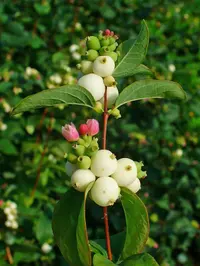
Karri Wattle Care (Acacia pentadenia)

Karri Wattle

About Karri Wattle

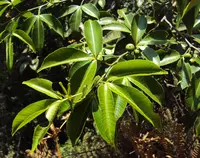
Karri wattle, Acacia pentadenia, is an evergreen shrub or small tree native to the tall karri forests of southwestern Western Australia. It often forms a graceful, multi-stemmed shape under taller eucalypts.

The plant carries fine, feathery foliage and soft yellow, ball-shaped flowers that appear along the branchlets, giving a light, airy look when in bloom. It typically grows in cool, moist forest conditions with well-drained, slightly acidic soils.

This species prefers consistent moisture and good light but not harsh, drying exposure, which influences how to care for Karri Wattle in cultivation. It is moderately fast-growing where conditions are suitable but can be sensitive to heat, drought, and poor drainage.

Main Plant Requirements

Care Difficulty

Moderate Care

Light Preference

Full Sun

Water Requirements

Low Water

Temperature Preference

Warm Climate

Hardiness Zone

9–11

Soil Texture

Sandy, Loamy

Soil pH

Acidic (5.5–6.5), Slightly acidic (6.5–7.0)

Soil Drainage

Well-drained

Fertilization

Minimal (feed rarely)

Get Personalized Care Plan

Scan your plant to receive care tips personalized for your specific plant

Available on iOS and Android

How to Care for the Karri Wattle

Acacia pentadenia prefers bright, gentle light that mimics open woodland conditions.

  • Provide 4–6 hours of sun daily, ideally morning sun with light afternoon shade to reduce leaf scorch risk.
  • Tolerates partial shade, especially in hot regions, but dense shade leads to weak, elongated growth and sparse flowering in Karri Wattle.
  • In summer, protect from intense afternoon sun using dappled tree cover; in cooler months, ensure less obstruction so the plant receives maximum available light.

Acacia pentadenia needs infrequent but deep watering once established, with time for the soil to dry between soakings.

  • Water when the top 5–8 cm of soil feels dry, then soak the root zone thoroughly and allow excess to drain away.
  • In the first growing season, monitor closely during hot, dry spells; mature plants often manage on rainfall but may need supplemental watering in extended drought.
  • Yellowing, soft foliage suggests overwatering or poor drainage, while crisp leaf tips and premature leaf drop indicate the plant has stayed dry for too long.

This species prefers mild, frost-free climates with moderate seasonal variation.

  • Aim for 60–77°F (16–25°C) for active growth, which suits many coastal and mild inland regions.
  • Short dips to 28–32°F (-2–0°C) may be survived once established, but repeated or hard frosts can damage young shoots and flower buds.
  • Handles dry heat up to about 90–95°F (32–35°C) if roots are mulched and soil moisture is not extremely low, but prolonged extreme heat can stress the plant.

This species prefers moderately dry air and usually adapts well to typical household humidity.

  • Aim for 35–50% humidity, which reflects the relatively dry conditions of its native range.
  • Dry, brown leaf tips or curling new growth can signal humidity stress combined with underwatering or heat.
  • Increase local humidity only slightly with a nearby pebble tray or grouped plants, avoiding misting that keeps foliage wet for Karri Wattle.

Acacia pentadenia grows best in free-draining, sandy to loamy soil with plenty of air around the roots.

  • Use a mix of 50–60% sandy or loamy garden soil, 20–30% coarse sand, and 20–30% fine gravel or perlite to keep drainage fast.
  • Keep pH slightly acidic to neutral, around 6.0–7.0, avoiding strongly alkaline soils that can limit nutrient uptake.
  • Incorporate only a modest amount of low-salinity compost, since very rich organic soil encourages weak, overly lush growth.
  • Avoid heavy clay, peat-heavy, or compacted mixes, and break up any smeared or crusted layers that hinder water movement and aeration.

This species can be grown in containers if the pot and substrate are managed for rapid drainage and root space.

  • Choose a tall, relatively narrow pot to allow the developing taproot to extend downward without circling tightly near the base.
  • Select a heavier material such as ceramic or thick-walled terracotta to stabilize the shrub against wind and top growth sway.
  • Raise the container slightly on pot feet or bricks so drainage holes stay clear and water does not pool under the base.

This nutrient-efficient Australian shrub or small tree needs modest feeding, especially in containers.

  • Use a low-phosphorus, balanced NPK fertilizer or well-aged compost, as high phosphorus can harm Acacia roots.
  • During spring and early summer, apply a slow-release fertilizer once or a half-strength liquid feed every 4–6 weeks.
  • Provide minimal or no feeding in autumn and winter, when growth slows and nutrient demand drops.
  • For Karri Wattle in pots, flush the soil with plain water occasionally to prevent salt buildup.

Acacia pentadenia benefits from light, well-timed pruning to maintain a healthy, balanced canopy.

  • Carry out structural pruning after main flowering, removing spent flowered tips and lightly shortening leggy shoots.
  • Cut out dead, diseased, or crossing branches at their origin using clean, sharp bypass pruners or loppers.
  • Thin crowded inner growth to improve air movement and light penetration, which supports healthier foliage.
  • Shape the canopy gradually over several seasons to avoid heavy cuts that trigger weak, lanky regrowth.

This species is typically grown in the ground, so focus on careful transplanting of young plants rather than frequent repotting.

  • Transplant in late winter to early spring, when soil is workable and before vigorous new growth starts.
  • Look for roots circling the pot, slow growth, or quick drying soil as signs that a nursery plant needs a larger space.
  • Move up only 1 pot size or into a well-drained garden bed, disturbing the root ball as little as possible.
  • Water deeply after planting, then keep soil lightly moist for several weeks to reduce transplant shock and help roots establish.

Propagation of Acacia pentadenia is usually carried out from seed, with some growers also using semi-hardwood cuttings.

  • Collect ripe seed pods, extract seeds, then scarify by nicking the coat or pouring hot (not boiling) water over them.
  • Sow in a free-draining, sandy mix in late winter to spring, keeping the medium just moist and warm for even germination.
  • For cuttings, take semi-hardwood tips in late summer, use rooting hormone, and place in a humid, bright but indirect light environment.
  • Ensure good air circulation and avoid waterlogging, which greatly reduces both seedling survival and cutting success.

This species prefers mild, frost-free climates and needs protection in colder regions.

  • In areas below about 25–30°F, grow plants in containers so they can be moved indoors or into a greenhouse for winter.
  • Mulch the root zone with 5–8 cm of coarse organic material to buffer soil temperature and conserve moisture.
  • Shelter young plants from cold, drying winds using windbreaks or temporary frost cloth around the canopy.

Care Tips

Wind-hardening young plants

Expose young shrubs to increasing wind over 2–3 weeks before planting in their final position so stems lignify and are less likely to snap in coastal or open sites.


Low-phosphorus mulching

Apply a 5–8 cm layer of coarse, low-fine organic mulch kept 5–10 cm away from the stem to protect shallow roots while avoiding excess nutrient release that can stress this phosphorus-sensitive species.

Minimal root disturbance

Use deep pots or grow bags and slide the root ball out carefully at planting time, since fine roots are easily damaged and disturbance can slow establishment for a full season.

Formative framework pruning

In the first 2–3 years, selectively tip back congested or crossing shoots after flowering to build a stable, open framework that resists wind and displays the foliage and blooms better.

Preventing waterlogging pockets

On heavy or uneven ground, plant on a slight mound or low berm and maintain a shallow surface swale nearby so runoff bypasses the root zone, which helps when growing Karri Wattle in rainfall-prone regions.

Common Pests and Diseases

Acacia psyllids

These insects feed on young foliage and shoots, causing leaf curling, yellowing, and sticky honeydew that can encourage sooty mold growth.

Solution

Prune and destroy heavily infested shoot tips, then hose down foliage to remove nymphs and honeydew; if needed, apply a targeted insecticidal soap or horticultural oil to the undersides of leaves, repeating as label directions specify and monitoring new growth closely as part of Acacia pentadenia care instructions.

Borers

This pest tunnels into stems and branches, leading to wilting, dieback of individual branches, and small entry holes with frass or sawdust-like material.

Solution

Prune out and destroy affected stems well below visible damage, keep the plant vigorous with appropriate watering and no excess nitrogen, and protect trunks and main branches from mechanical injury that can attract egg-laying adults; in high-risk areas, consult local extension services about timing of trunk sprays for borers of local Acacia species.

Armillaria root disease

This disease, caused by Armillaria fungi, leads to progressive decline, yellowing, reduced growth, and eventual dieback, often with white fungal sheets under the bark near the base.

Solution

Remove severely affected plants including as much root material as possible, avoid replanting Acacia or other highly susceptible species in the same spot, and improve drainage and soil aeration; in established landscapes, focus on reducing stress through correct watering and avoiding trunk injuries to limit spread.

Phytophthora dieback

This disease is common in native Western Australian ecosystems and causes sudden wilting, foliage browning, and dieback, especially in poorly drained or disturbed soils.

Solution

Improve drainage, avoid waterlogging, and prevent soil movement from infected to clean areas; in regions where Phytophthora is known, use only clean nursery stock, limit soil disturbance around the root zone, and consider phosphonate (phosphite) treatments applied by trained professionals for high-value specimens.

Scale insects

These insects attach to stems and leaf midribs, sucking sap and producing honeydew that can lead to black sooty mold and general plant weakness.

Solution

Wipe or gently scrub off light infestations with a cloth or soft brush dipped in soapy water, prune heavily infested twigs, and use horticultural oil sprays to suffocate remaining scales, ensuring thorough coverage of stems and leaf undersides while avoiding application during very high temperatures.

Interesting Facts

Karri forest understory

This species occurs naturally in the high-rainfall karri (Eucalyptus diversicolor) forests of southwestern Western Australia, forming part of the moist, shaded shrub layer under very tall eucalypts.

Fine, feathery foliage

Its slender, many-divided leaf-like structures give the shrub a soft, fern-like appearance, which increases the surface area for photosynthesis while allowing light to filter through to plants below.

Winter–spring flowering

It produces small, pale yellow, ball-shaped flower heads mainly from late winter to spring in its native range, providing nectar and pollen to local insects during a cooler, wetter part of the year.

Botan icon

Did you know?

Acacia pentadenia plays a role in stabilizing soils in the high-rainfall karri forest ecosystem, where its root system helps bind the often steep, wet slopes and contributes organic matter that supports diverse forest understorey life.

FAQs about Karri Wattle

This species is evergreen, keeping its fine, feathery foliage year-round in mild climates. In colder areas it may thin slightly in winter, especially after frost, but it does not have a true dormant leaf-drop period.

Grow Healthy Plants with Botan Care

Keep your plants happy and healthy with plant identification, disease detection, and easy care guidance.

Botan plant care app — identify plants on mobile

Explore More Plants