triangle bur ragweed Care (Ambrosia deltoidea)

Also known as: triangle-leaf bursage, Triangle Bursage
triangle bur ragweed

About triangle bur ragweed

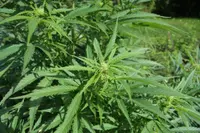
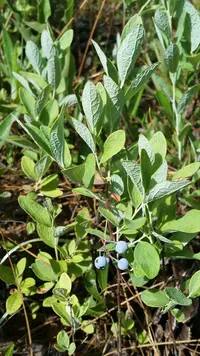
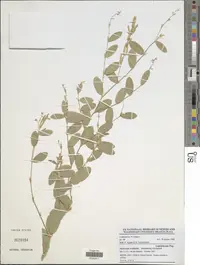
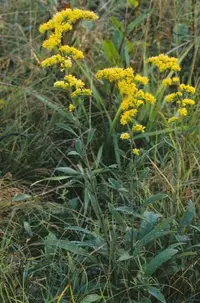
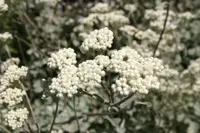
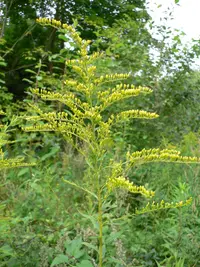
Triangle bur ragweed (Ambrosia deltoidea) is a perennial shrub-like ragweed native to arid regions of the southwestern United States and northern Mexico. It typically forms a low, branching mound with small, triangular leaves and spiny burs that hold the seeds.

This species is adapted to desert scrub and rocky slopes, where it tolerates intense sun, heat, and poor, dry soils. It is drought-hardy and long-lived once established, but slow to grow and not suited to lush, irrigated garden beds.

Gardeners who care for triangle bur ragweed usually do so in restoration, erosion control, or native habitat plantings rather than ornamental settings. It favors full sun, very well-drained mineral soils, and minimal supplemental water.

Main Plant Requirements

Care Difficulty

Easy Care

Light Preference

Full Sun

Water Requirements

Low Water

Temperature Preference

Warm Climate

Hardiness Zone

9–11

Soil Texture

Sandy, Loamy, Rocky

Soil pH

Slightly acidic (6.5–7.0), Slightly alkaline (7.0–7.5)

Soil Drainage

Well-drained

Fertilization

Minimal (feed rarely)

Get Personalized Care Plan

Scan your plant to receive care tips personalized for your specific plant

Available on iOS and Android

How to Care for the triangle bur ragweed

This sun-loving desert shrub thrives in strong light and open exposures.

  • Provide full sun for 6–10 hours daily; triangle bur ragweed develops denser, sturdier growth in unobstructed light.
  • Plant in an open site with morning and midday sun; light afternoon shade is tolerated, especially in very hot low-desert locations.
  • In winter, sun is rarely excessive, but in extreme summer heat, reflected sun from walls or pavement can scorch foliage and dry soil very rapidly.

This desert species is adapted to very dry conditions and needs infrequent watering once established.

  • Allow soil to dry completely between waterings; in the ground, wait until the top 5–10 cm are bone dry and the plant shows slightly dull foliage before watering.
  • Use fast-draining, gritty soil so water moves through within seconds; Ambrosia deltoidea is prone to root rot in compacted or chronically wet ground.
  • Reduce or stop supplemental water in cool seasons; yellowing, soft stems suggest overwatering, while crisp, browning leaf tips indicate prolonged drought stress.

This plant is highly heat-tolerant but only moderately tolerant of cold.

  • Optimal growth occurs around 75–95°F (24–35°C), matching hot, arid desert climates with intense sun and low humidity.
  • Mature plants usually survive brief drops to about 20–25°F (-6 to -4°C), but young specimens are more vulnerable and may suffer stem dieback.
  • Extended frost, freezing winds, or cold wet soil in winter increase damage risk, while extreme heat above 110°F (43°C) is tolerated if soil is very well drained.

This desert shrub handles very low humidity and usually does not need extra moisture in the air.

  • Target 20–40% humidity, typical of heated indoor air in arid regions, which closely matches its native conditions.
  • Triangle bur ragweed shows humidity stress mainly when air is humid and stagnant, leading to mildew on crowded stems or poor airflow.
  • If kept in an unusually humid area, thin surrounding plants and increase air movement with an open, breezy placement to reduce fungal risk.

This species prefers very lean, fast-draining, mineral soils that mimic rocky desert slopes.

  • Use a gritty mix such as 50–70% coarse sand or small gravel with the rest a low-organic cactus or succulent mix to maintain strong aeration.
  • Aim for alkaline to slightly neutral pH, roughly 7.0–8.0, avoiding acidic mixes rich in peat moss.
  • Improve drainage by raising beds, planting on mounds, or incorporating crushed rock so water passes through the root zone quickly after rain or irrigation.
  • Avoid dense clay, fine silt, or heavily composted soil, which hold water around the roots and increase the risk of rot for Ambrosia deltoidea.

This species can be grown in containers, but it performs best in large, very free-draining pots that simulate dry, rocky ground.

  • Choose a wide, heavy container to stabilize the woody, branching shrub in wind and prevent tipping as the canopy expands.
  • Fill the pot with a gritty, low-organic cactus-style mix so water drains within minutes and the root zone dries between waterings.
  • Select unglazed clay pots when possible, since the porous walls allow faster evaporation and better mimic arid soil conditions.

Ambrosia deltoidea, or triangle bur ragweed, is adapted to very poor desert soils and usually needs no fertilizer.

Ambrosia deltoidea responds well to light structural pruning when needed for access or management.

  • Carry out any shaping or clean-up in late winter or very early spring before strong new growth starts.
  • Remove dead, broken, or diseased stems at the base using clean, sharp hand pruners.
  • Thin congested interior branches sparingly to maintain airflow while keeping a natural, open form.
  • Avoid heavy heading cuts; reduce overall height gradually over several seasons if size control is required.

This species is more often transplanted in landscapes than grown long term in containers.

  • Transplant during cooler months, typically fall or very early spring, to reduce heat stress and water loss.
  • Look for slow recovery after watering, circling roots, or a plant clearly outgrowing its space as signs to move it.
  • Dig a wide, shallow hole, disturbing the root ball as little as possible and keeping the crown at soil level.
  • Water deeply after transplanting, then allow soil to dry between waterings to encourage new root growth without rot.

Ambrosia deltoidea is usually propagated from seed rather than vegetative methods.

  • Collect mature seeds in late summer or fall once seed heads dry and turn brown.
  • Sow seeds in late fall or very early spring in a gritty, well-drained mix that mimics native desert soil.
  • Provide full sun, good air circulation, and minimal watering; allow the substrate to dry between light irrigations.
  • Avoid rich potting media and high moisture, which reduce germination and increase damping-off risk in seedlings.

This desert shrub is cold hardy in much of its native range and usually needs minimal winter care in the ground.

  • Tolerates light frosts but may experience tip dieback after prolonged temperatures below about 20°F.
  • Apply a light gravel or coarse mulch layer around the root zone in marginal climates, keeping mulch off the crown.
  • In containers, move plants to a bright, unheated but frost-free spot and water sparingly during winter dormancy.

Care Tips

Erosion control use

Plant on dry, sloped, rocky sites where its deep, fibrous root system helps stabilize soil and reduce erosion, especially in arid restoration or low‑input landscapes.

Seedling protection

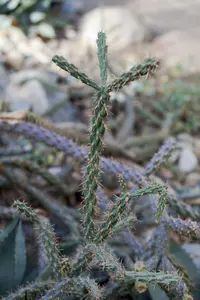
Use lightweight wire cages or temporary fencing around young plants for the first 1–2 years to reduce browsing and trampling damage in areas with wildlife or livestock pressure.

Low‑input weed management

Establish plants at wide spacings so mature canopies shade the soil surface, then use occasional spot hand‑weeding rather than cultivation to limit disturbance and prevent new invasive seedlings.

Allergen‑aware placement

Site plants downwind and away from doors, windows, play areas, or outdoor seating in regions with prevailing winds to reduce exposure to wind‑borne pollen for sensitive people when caring for triangle bur ragweed.

Restoration seeding strategy

When using it in native mixes, broadcast seed into roughened, gravelly soil and lightly press or roll rather than burying deeply, as the small seeds establish best from shallow, firm contact with the soil surface.

Common Pests and Diseases

Leaf beetles

This pest feeds on foliage, creating irregular holes and sometimes skeletonizing the leaves, especially on young or stressed plants in desert rangeland settings.

Solution

Hand-pick adult beetles where practical and remove heavily damaged stems, then encourage natural predators by avoiding broad-spectrum insecticides; for significant defoliation, use a targeted foliar spray containing spinosad or pyrethrins applied in the evening to limit impact on pollinators and repeat only as needed.

Stem-boring moth larvae

These insects tunnel inside stems, causing localized wilting, dieback, and hollowed stems that snap easily in dry, windy conditions.

Solution

Prune and destroy infested stems as soon as wilting or frass (sawdust-like material) is noticed, then monitor new growth closely; in sites with recurring problems, apply a biological insecticide with Bacillus thuringiensis (Bt) to young shoots early in the season, following label timing and avoiding unnecessary repeat applications.

Rust

This disease produces small yellow to brown pustules on leaves and stems, which can lead to premature leaf drop under humid or overcrowded conditions, even in otherwise arid habitats after unusual rains.

Solution

Remove and discard affected leaves and stems, avoid overhead watering, and increase spacing or airflow around plants; in persistent cases, use a sulfur or copper-based fungicide applied according to label directions, focusing on new growth and periods of extended moisture.

Powdery mildew

This disease shows as white to gray powdery patches on leaves and young stems, which may curl, yellow, and lose vigor during cooler, humid periods or in partially shaded desert landscapes.

Solution

Improve air circulation by thinning crowded stems and nearby vegetation, then wash affected foliage gently with water during a dry, breezy part of the day; if disease persists, apply a potassium bicarbonate or neem oil-based fungicide, coating leaf surfaces thoroughly and avoiding treatment during high heat above about 85°F.

Aphids

These insects cluster on tender shoot tips and undersides of leaves, sucking sap, distorting new growth, and sometimes leaving sticky honeydew that can attract sooty mold on nearby surfaces.

Solution

Spray infested shoots with a firm stream of water to dislodge colonies, then, if needed, use insecticidal soap or horticultural oil, ensuring full coverage of undersides of leaves; repeat at 5–7 day intervals until populations drop, and avoid high-rate applications during very hot, sunny periods to prevent leaf burn.

Interesting Facts

Desert nurse shrub

This low, thorny shrub often acts as a nurse plant in the Sonoran Desert, sheltering seedlings of saguaro cactus and other species by moderating temperature and reducing water loss at ground level.

Soil disturbance specialist

Triangle bur ragweed frequently dominates overgrazed or disturbed desert sites, where its deep root system and drought tolerance allow it to outcompete many less-adapted plants.

Barbed burs for dispersal

Its small, hard burs have hooked or barbed projections that readily attach to animal fur and clothing, helping the seeds disperse across large areas and sometimes creating dense patches over time.

Botan icon

Did you know?

This species is highly allergenic and is considered one of the important native sources of wind-dispersed pollen in parts of the Sonoran Desert, contributing significantly to seasonal hay fever in nearby human populations.

FAQs about triangle bur ragweed

This desert shrub grows slowly to moderately. In native conditions it may add only a few centimeters of height each year. Growth is faster in loose, well-drained soil but remains relatively compact compared with many garden shrubs.

Grow Healthy Plants with Botan Care

Keep your plants happy and healthy with plant identification, disease detection, and easy care guidance.

Botan plant care app — identify plants on mobile

Explore More Plants