alyce clover Care (Alysicarpus ovalifolius)

alyce clover

About alyce clover

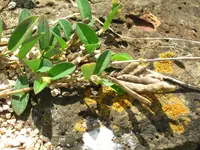
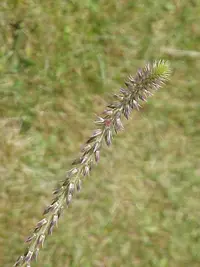
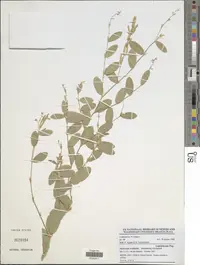
Alyce clover, Alysicarpus ovalifolius, is a warm-season annual legume often used as a forage, cover crop, or soil-improving plant. It forms a low, spreading mat with slender stems and small, oval leaflets.

Plants carry delicate pink to purplish pea-like flowers that attract pollinators and set small pods with seeds. It is native to tropical and subtropical regions and is now grown in many warm climates.

This species is valued for its heat tolerance, ability to grow on poor soils, and role in fixing nitrogen, which makes it relatively easy to establish. Basic knowledge of how to care for alyce clover helps maintain dense, healthy groundcover.

Main Plant Requirements

Care Difficulty

Easy Care

Light Preference

Full Sun

Water Requirements

Moderate Water

Temperature Preference

Tropical / Frost Sensitive

Hardiness Zone

10–12

Soil Texture

Sandy, Loamy

Soil pH

Slightly acidic (6.5–7.0), Neutral (7.0)

Soil Drainage

Well-drained

Fertilization

Minimal (feed rarely)

Get Personalized Care Plan

Scan your plant to receive care tips personalized for your specific plant

Available on iOS and Android

How to Care for the alyce clover

This warm-season legume performs best in bright outdoor light with some protection from extremes.

  • Provide 6–8 hours of direct sun daily; morning sun with light afternoon shade is ideal in hot climates to reduce leaf scorch.
  • Tolerates light partial shade (3–4 hours direct sun), but alyce clover may grow more open and flower less with too little light.
  • In summer, avoid reflected heat from walls or pavement; in cooler seasons, choose a site with maximum sun to support continued growth.

This species prefers evenly moist but not saturated soil once established in the landscape.

  • Let the top 3–5 cm of soil dry before watering, then soak the root zone deeply so moisture reaches at least 10–15 cm.
  • In hot, dry weather, increase checks for dryness; in cooler or rainy periods, extend the interval to prevent soggy soil, root rot, and yellowing foliage.
  • Use well-drained soil or a site that does not stay waterlogged; wilting, dull leaves, or slow recovery after sunset suggest Alysicarpus ovalifolius needs water.

This warm-season plant thrives in consistently mild to hot conditions and is sensitive to frost.

  • Optimal growth occurs around 70–90°F (21–32°C), with strongest performance in stable summer temperatures and full growing-season warmth.
  • Tolerates heat up to about 95–100°F (35–38°C) if soil moisture is maintained, but prolonged extreme heat with dry soil can stunt growth.
  • Minimum safe temperature is around 40°F (4–5°C); light frost can damage foliage, and hard freezes below 32°F (0°C) can kill aboveground growth or the whole plant.

Humidity is not a critical factor for alyce clover, which adapts well to typical outdoor air levels in most climates.

Alysicarpus ovalifolius prefers lean, well-drained soil that does not stay wet for long periods.

  • Use sandy or sandy-loam soil with low to moderate organic matter to mimic its naturally dry habitats.
  • Ensure very rapid drainage by mixing mineral components such as coarse sand or fine gravel at 30–50%.
  • Aim for slightly acidic to neutral pH around 6.0–7.5, avoiding highly acidic or alkaline sites where growth declines.
  • Avoid heavy clay or compacted ground; if soil is dense, raise the planting area or incorporate coarse material to improve aeration and percolation.

This species can be grown in containers where drainage and soil drying are carefully controlled.

  • Choose a wide, shallow pot to accommodate its spreading root system and limit prolonged moisture around the crown.
  • Select a porous material such as unglazed terracotta to help excess moisture evaporate between waterings.
  • Elevate the container on feet or bricks so drainage holes stay clear and runoff water leaves the pot quickly.

This nitrogen-fixing legume usually needs minimal feeding in garden soil but responds to light nutrition in poor or container media.

  • Apply a low-dose balanced fertilizer (around 10-10-10) at 1/2 strength at planting or early in the growing season if soil is very low in nutrients.
  • Use a thin layer of compost instead of frequent soluble feedings to support soil life and structure.
  • Feed container-grown alyce clover with a slow-release balanced fertilizer once per growing season.
  • Stop fertilizing in late summer; do not feed during winter or when growth is dormant.

Pruning Alysicarpus ovalifolius is mainly done to keep a tidy shape and support healthy regrowth.

  • Carry out light pruning in late winter or early spring before vigorous new growth begins.
  • Remove dead, damaged, or crossing stems first, cutting back to healthy tissue with clean, sharp hand pruners.
  • Shorten overly long or leggy shoots to encourage branching and a denser, more compact habit.
  • Avoid cutting back into very old, woody bases; retain young, leafy stems to maintain flowering.

This species is more often grown in the ground, so focus on careful transplanting rather than frequent repotting.

  • Transplant young plants in spring once soil has warmed and is evenly moist, avoiding peak heat or drought.
  • Look for slow growth, root circling at drainage holes, or plants drying out rapidly as signs a container specimen needs a larger pot.
  • Move to a container 1–2 in wider, using a free-draining mix, and keep the original soil level at the same height.
  • Water thoroughly after transplanting, then shade lightly and keep evenly moist for 1–2 weeks to limit root stress.

Alysicarpus ovalifolius is most commonly propagated from seed, which suits both garden and restoration uses.

  • Collect mature pods when they dry and turn brown, then store seeds cool and dry until sowing.
  • Sow in spring into a free-draining mix, just covering seeds lightly, and keep at 68–77°F with steady, moderate moisture.
  • Provide bright light and good air movement to reduce damping-off, a fungal disease that kills seedlings at soil level.
  • Harden off young plants gradually outdoors before planting into their final position.

In mild to warm climates this plant needs little winter care, but colder regions require some basic protection.

  • Alysicarpus ovalifolius is sensitive to hard freezes and performs best in frost-free or only lightly frosty areas.
  • Apply a 5–8 cm layer of mulch around the root zone in late fall in marginal climates, keeping mulch off stems.
  • In containers, move plants under cover or indoors to a bright, cool, frost-free spot before temperatures drop below freezing.

Care Tips

Use as living mulch

Plant in a broad, low band between taller crops so its dense foliage shades soil, suppresses weeds, and reduces surface evaporation without competing strongly for light.

Timed green manuring

At the end of the season, cut plants before they become too woody and lightly incorporate the fresh tops into the top 5–8 cm of soil to boost organic matter and return captured nitrogen.

Mild grazing management

If used as forage, allow plants to reach 15–20 cm, then graze or cut back lightly so crowns remain intact and can reshoot quickly, avoiding complete scalping of the stand.

Low-input erosion control

Establish in strips along gentle slopes or field margins where its spreading root system and mat-forming habit help stabilize soil and reduce runoff during heavy rain.

Monitor seed set

If you do not want self-seeding, shear or mow lightly as pods begin to develop so plants stay tidy and you maintain control over where you are growing alyce clover.

Common Pests and Diseases

Pod-boring caterpillars

This pest feeds inside developing seed pods, reducing seed quality and overall pod set. Symptoms include small entry holes, frass, and shriveled or prematurely dry pods.

Solution

Handpick and destroy affected pods where infestation is light, and remove plant debris after flowering to break the life cycle. For repeated problems in field or forage plantings, use Bt (Bacillus thuringiensis) sprays timed to early pod formation and encourage natural predators by maintaining diverse flowering plants nearby.

Leaf-feeding beetles

These insects chew irregular holes in leaf blades and may skeletonize foliage when numbers are high. Damage reduces photosynthesis and can slow regrowth after cutting or grazing.

Solution

Monitor foliage regularly and hand-remove beetles from smaller plantings in the early morning. In larger stands, reduce nearby weed hosts, encourage beneficial insects, and, where economic damage is expected, use a targeted foliar insecticide labeled for forage legumes and applied in the evening to limit impact on pollinators while supporting sustainable growing alyce clover.

Foliar leaf spot

This disease causes small brown to dark purple spots on leaves that may coalesce, leading to yellowing and premature leaf drop under humid conditions. Symptoms include more severe spotting in dense, poorly ventilated stands.

Solution

Improve airflow by avoiding overly dense sowing and reducing overhead irrigation late in the day. Remove or incorporate infected residue after the season, and in areas with repeated outbreaks, select well-drained sites and rotate with non-legume crops to lower inoculum levels.

Powdery mildew

This disease appears as white to gray powdery patches on upper leaf surfaces, stems, and sometimes pods, especially in warm, dry conditions with cool nights. Symptoms include distorted new growth and reduced vigor when infection is heavy.

Solution

Increase sunlight and air circulation by avoiding shaded, overcrowded plantings and watering at soil level rather than on foliage. Remove heavily infected plant material, and in recurring cases apply a sulfur or potassium bicarbonate fungicide labeled for legumes at the first sign of disease.

Root-knot nematodes

These microscopic roundworms attack roots, causing swollen galls, reduced nodulation, and stunted, pale plants with poor drought tolerance. Symptoms include uneven growth patches in the field and plants that wilt more quickly than expected.

Solution

Rotate plantings with non-host grasses or cereals for several seasons and incorporate organic matter to support beneficial soil organisms that suppress nematodes. Where pressure is high, use clean seed, avoid moving contaminated soil, and, in small areas, solarize soil during the hottest months by covering moist ground with clear plastic for 4–6 weeks before planting.

Interesting Facts

Tropical forage specialist

This species is widely used as a short-lived forage legume in tropical and subtropical regions, especially in Africa and South Asia, because livestock readily graze it and it tolerates repeated cutting.

Flower color shift

Its small papilionaceous flowers open pink to purplish and often fade toward paler shades as they age, a color change that helps signal pollinators which flowers are still rewarding.

Soil-improving legume

As a member of the Fabaceae, it forms root nodules with nitrogen-fixing bacteria, which can improve soil nitrogen levels when used in mixed pastures or as a temporary cover crop, supporting sustainable grazing systems.

FAQs about alyce clover

This species spreads moderately by seed but is not usually aggressive in managed gardens. It forms a low, spreading mat, especially in warm climates, but regular mowing, edging, or light trimming keeps it within bounds.

Grow Healthy Plants with Botan Care

Keep your plants happy and healthy with plant identification, disease detection, and easy care guidance.

Botan plant care app — identify plants on mobile

Explore More Plants