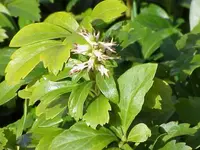
spicebush Care (Lindera benzoin)

Also known as: spicebush, common spicebush, hairy spicebush
spicebush

About spicebush

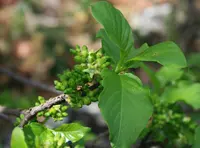
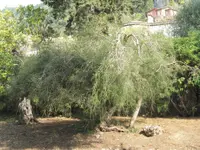
Spicebush, Lindera benzoin, is a deciduous shrub native to moist woodlands and stream banks in eastern North America. It typically forms a rounded, multi-stemmed thicket.

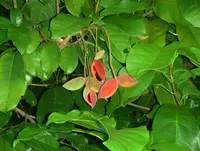
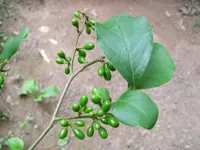
The plant has aromatic leaves and twigs, small yellow spring flowers, and bright red berries on female plants. Foliage turns clear yellow in autumn.

Spicebush is generally considered easy to grow in gardens that can provide partial shade and consistently moist, well-drained soil. Understanding how to care for spicebush starts with matching these woodland-like conditions.

Its tolerance of shade, resistance to most pests, and adaptability to many garden soils make it a practical choice for naturalistic borders and habitat plantings.

Main Plant Requirements

Care Difficulty

Easy Care

Light Preference

Partial Shade

Water Requirements

Regular Water

Temperature Preference

Cold Hardy

Hardiness Zone

4–9

Soil Texture

Loamy, Clay, Organic-rich

Soil pH

Acidic (5.5–6.5), Slightly acidic (6.5–7.0)

Soil Drainage

Moist but well-drained

Fertilization

Minimal (feed rarely)

Get Personalized Care Plan

Scan your plant to receive care tips personalized for your specific plant

Available on iOS and Android

How to Care for the spicebush

Lindera benzoin prefers woodland-like light that balances sun and shade for healthy growth.

  • Provide 3–5 hours of direct morning sun with light to medium shade in the afternoon, especially in hotter climates.
  • Tolerates bright dappled shade, but dense shade can cause leggy stems, sparse foliage, and reduced fruit set in spicebush.
  • In open sites, protect from harsh midday summer sun to prevent leaf scorch; young plants benefit from temporary shade cloth or nearby taller shrubs.

Lindera benzoin grows best in consistently moist, well-drained soil without long periods of drought or standing water.

  • Aim for soil that feels evenly moist; in average conditions, water when the top 3–5 cm of soil feels slightly dry, especially during the first 2–3 years.
  • Increase watering during hot, dry spells if leaves start to droop or curl, and reduce frequency in cool, rainy weather or on heavy clay sites.
  • Watch for yellowing leaves and soft stems as signs of overwatering or poor drainage, and for browning leaf edges as a sign of chronic dryness.

This deciduous shrub is naturally adapted to temperate climates with cold winters and warm summers.

  • Active growth is strongest around 60–80°F (16–27°C), with normal seasonal slowing in cooler spring and autumn conditions.
  • Mature plants tolerate winter lows near -20°F (-29°C); newly planted shrubs benefit from mulch to buffer freeze–thaw cycles.
  • Handles summer heat up to about 90–95°F (32–35°C) if soil stays moist; prolonged extreme heat with drought can cause leaf scorch and early leaf drop.

Humidity is rarely a limiting factor for Lindera benzoin outdoors.

Lindera benzoin prefers moist, fertile, loamy soil that stays evenly damp but not waterlogged.

  • Use a deep, loamy mix with high organic matter, such as native soil blended with 30–40% compost or leaf mold.
  • Ensure slow, steady drainage; soil should hold moisture but excess water must move through within a few hours after heavy rain.
  • Aim for slightly acidic to neutral pH around 5.5–7.0, avoiding strongly alkaline soils that reduce nutrient availability.
  • On compacted sites, loosen soil 20–30 cm deep and incorporate organic matter to improve aeration and root penetration.

This species can be grown in containers for several years, but long-term growth is easier in the ground.

  • Choose a tall, heavy container that prevents tipping as the shrub develops multiple stems and a broad canopy.
  • Select a potting mix that retains moisture yet drains freely, such as compost-rich mix lightened with pine bark fines and a small amount of perlite.
  • Position the container where wind exposure is limited, since tall growth in a light substrate can make the root ball unstable.

Lindera benzoin is a woodland shrub that needs modest fertilization when soil is poor or plants show weak growth.

  • Use a thin layer of compost or well-rotted leaf mold around the root zone in early spring for spicebush.
  • On very lean soils, apply a balanced slow-release fertilizer (around 10-10-10) at half label rate once in spring.
  • Avoid summer and fall feeding to prevent soft growth that may be damaged by winter cold.
  • Do not fertilize during winter dormancy; rely on organic mulch to maintain soil fertility.

Lindera benzoin benefits from light, thoughtful pruning to maintain structure and plant health.

  • Best time to prune is late winter to very early spring, before new growth starts.
  • Remove dead, diseased, or damaged branches first, cutting back to healthy wood with clean, sharp bypass pruners.
  • Thin out a few crowded or crossing stems to open the canopy and improve air flow and form.
  • Limit heading cuts; maintain the shrub’s natural shape to support flowering and wildlife value.

This shrub is usually grown in the ground, so focus on careful transplanting rather than frequent repotting.

  • Transplant in early spring or early fall when temperatures are mild and soil is moist.
  • Look for circling roots in a nursery pot or slow, stalled growth as signs that a plant is pot-bound.
  • Set Lindera benzoin at the same soil depth in a wide planting hole, gently loosening outer roots without tearing them.
  • Water deeply after planting, then keep soil evenly moist and mulch 5–8 cm to reduce root stress and temperature swings.

Lindera benzoin can be propagated, but success improves when timing and conditions are controlled.

  • Collect ripe seeds in fall, clean, and use cold stratification (moist chill) for several months before spring sowing.
  • Take semi-ripe stem cuttings in midsummer, use a rooting hormone, and place in a humid, bright but indirect light environment.
  • Sow seeds or place cuttings in a loose, well-drained mix, keeping it evenly moist but not waterlogged.
  • Layer low, flexible stems by pegging them into soil in spring, then separate and transplant once strong roots develop.

This native shrub is cold hardy across much of its range and usually needs minimal winter care once established.

  • Apply 5–8 cm of organic mulch around the root zone in late fall, keeping it slightly away from the main stems.
  • In very exposed or windy sites, use a windbreak or shrub shelter to reduce desiccation of twigs.
  • Container-grown plants are more vulnerable; move pots into a sheltered, unheated but frost-moderated area if possible.

Care Tips

Enhance Root Establishment

Mulch a 5–8 cm ring around the base with shredded bark or leaf mold, keeping it 5–8 cm away from the stems, to keep roots cool, conserve moisture, and encourage steady establishment in the first 2–3 years.

Create Shaded Understory

Plant near open-canopy trees or tall shrubs that cast dappled light, which mimics its natural woodland edge habitat and results in denser branching and better fall color.

Support Wildlife Pollination

Group 3–5 plants within 2–3 m of each other, mixing both male and female selections when known, to improve pollination, berry set, and overall vigor.

Manage Suckers Wisely

Allow some basal suckers to grow into a thicket if a natural screen is desired, but remove unwanted shoots at ground level each spring to keep paths and nearby plantings clear.

Plan For Transplanting

If a shrub must be moved, root-prune in a circle 25–40 cm from the stem 3–6 months before transplanting to stimulate fibrous roots and greatly improve survival when you grow Lindera benzoin in a new spot.

Common Pests and Diseases

Spicebush swallowtail caterpillars

This pest is the larval stage of a native butterfly that feeds heavily on spicebush foliage, often rolling or folding leaves as shelters. Symptoms include chewed leaves, leaf rolls, and occasional partial defoliation, especially on young plants.

Solution

Hand-pick caterpillars and remove or unroll leaf shelters if foliage loss is heavy, especially on small or newly planted shrubs. Where possible, tolerate some feeding to support the butterfly; encourage natural predators and avoid broad-spectrum insecticides that would disrupt this beneficial insect’s life cycle when growing spicebush in a wildlife-focused garden.

Leaf spot fungi

This disease causes scattered brown, tan, or black spots on leaves, sometimes with yellow halos, which can lead to early leaf drop in humid conditions. Symptoms include cosmetic damage rather than severe decline, but repeated infections can weaken the shrub over time.

Solution

Prune to improve air circulation, avoid overhead watering, and promptly remove and dispose of fallen, spotted leaves to reduce fungal spores. In severe, repeated cases, a labeled ornamental shrub fungicide applied in early spring as new leaves emerge can help limit new infections.

Scale insects

These insects appear as small, immobile bumps on stems or leaf undersides and feed on plant sap, which can cause yellowing, reduced vigor, and sticky honeydew. This pest often goes unnoticed until populations build up and branches look weakened or sooty mold develops.

Solution

Inspect stems regularly and prune out heavily infested twigs, then dispose of them. For light infestations, gently scrub scales off with a soft brush and soapy water; for larger shrubs, horticultural oil sprays applied during the dormant season or in early spring help smother overwintering scales while minimizing impact on beneficial insects.

Leaf miners

These insects are larvae that tunnel inside leaves, creating winding, pale trails or blotches that distort foliage. Symptoms include thin, discolored lines that follow the path of the feeding larva within the leaf tissue.

Solution

Remove and discard affected leaves as soon as mining trails are noticed to reduce the number of developing larvae. Encourage beneficial predators and avoid unnecessary insecticides; if damage is recurrent and severe, a systemic product labeled for ornamental shrubs can be applied early in the season, following label directions carefully.

Interesting Facts

Early-spring spice source

The twigs and bark of this shrub were historically used by Indigenous peoples and early European settlers as a local substitute for allspice due to their aromatic compounds rich in safrole and related volatiles.

Key host for swallowtails

This species is a primary larval host for the spicebush swallowtail butterfly (Papilio troilus), whose caterpillars depend on its leaves for food and use its rolled leaves as shelters.

Dioecious and wildlife-friendly

Individual shrubs are either male or female, and only female plants produce the bright red late-summer drupes that are an important, energy-rich food source for migrating songbirds.

Botan icon

Did you know?

Crushed leaves of this shrub release a strong, citrus-like aroma because they are packed with essential oils, a trait that helps deter some herbivores while also making the plant easy to identify in the field.

FAQs about spicebush

Poor flowering usually comes from too much shade, lack of moisture, or plants being too young. This species also has separate male and female plants, so only well-established, healthy shrubs in suitable light and soil bloom reliably.

Grow Healthy Plants with Botan Care

Keep your plants happy and healthy with plant identification, disease detection, and easy care guidance.

Botan plant care app — identify plants on mobile

Explore More Plants