

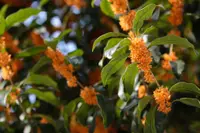
spicebush (Lindera benzoin) Light Needs

The shrub spicebush grows best in partial shade to partial sun, with filtered light and some gentle direct sun.

Light Preference

Partial Shade

Lindera benzoin Light Requirements

spicebush is native to moist woodlands, streambanks, floodplains, and forest edges in eastern North America. In these habitats, it may receive brighter spring sun before the overhead canopy leafs out, then dappled or partial shade through the growing season.

This pattern explains its flexibility in cultivation. It can handle full sun when established and evenly lit, but its preferred light is partial shade.

  • Ideal exposure:

    spicebush needs about 4–8 hours of daily light in partial shade or filtered light, including 2–4 hours of gentle direct sun when available.

  • Full sun tolerance:

    Established plants can tolerate full sun, especially in cooler climates or consistently moist sites, but sudden hot afternoon exposure can stress foliage.

  • Shade tolerance:

    Shade is tolerated, but deep shade usually reduces density, flowering, and overall vigor.

  • Morning sun:

    Morning sun with afternoon shade is a safe balance in hot-summer gardens.

Strong light is usually a problem when exposure changes suddenly or afternoon sun is intense.

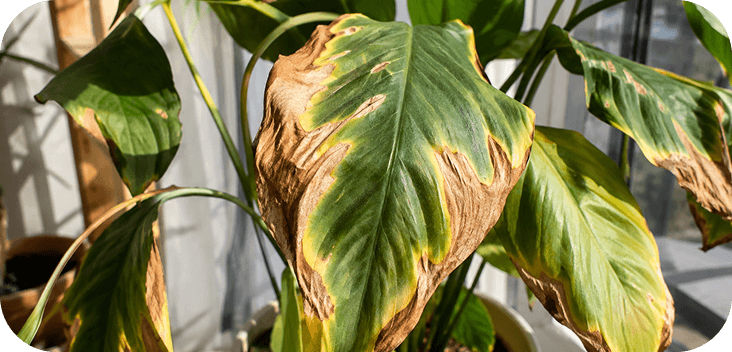
Pale scorch:

Leaves may develop tan, bleached patches on the most exposed surfaces after an abrupt move into full sun.

Crisp outer foliage:

Sun-facing tips may dry or curl while inner shaded leaves remain greener and less affected.

Midday flagging:

Leaves may droop during the hottest hours in reflected heat, even when the root zone is not dry.

Uneven canopy color:

The side facing strong afternoon sun may look paler than the side receiving filtered light.

Shift Lindera benzoin to afternoon shade or add light overhead filtering. Keep any brighter exposure gradual over 1–2 weeks.

Low light is most noticeable during the active growing season. In deep shade, Lindera benzoin may stay alive but grow thin.

  • Long gaps:

    New stems may have wider spacing between leaves as growth reaches toward brighter areas.

  • Leaning growth:

    Branches may angle strongly toward the open side instead of forming an even, rounded shape.

  • Fewer flowers:

    Shaded plants often produce fewer flower buds, which can reduce the spring display.

  • Small new leaves:

    New leaves may be smaller and less vigorous during months when growth should be active.

Move it to brighter filtered light or a site with morning sun. Increase exposure gradually if it has been shaded for a long period.

If ideal partial shade is not available, choose morning sun with afternoon shade rather than all-day deep shade. In full sun, use a site with some high, filtered cover during the hottest part of summer.

Remove nearby obstructions only enough to increase dappled light, and rotate container-grown young plants every few weeks so growth stays balanced.

Avoid dense shade under solid structures, because it limits flowering and creates thin growth.

Get Personalized Care Plan

Scan your plant to receive care tips personalized for your specific plant

FAQ

The best light for spicebush is partial shade to partial sun. It performs well with bright filtered light and a few hours of gentle direct sun, especially in the morning.

More Plant Light Guides

Get the Botan App

Discover how to care for your plants with Botan.

Botan app identifying a plant with a phone camera
Can Plants Grow With Artificial Light?

6 min read · 15 Sept 2026

Can Plants Grow With Artificial Light?

Plants can grow under artificial light when the setup provides a suitable spectrum, enough intensity, and sufficient daily exposure. This guide explains how artificial lighting compares with sunlight, which options work indoors, and how to match a setup to houseplants.

Plant Care
Can Plants Grow With Artificial Light?
What Plants Don't Like Epsom Salt?

11 min read · 29 Jul 2026

What Plants Don't Like Epsom Salt?

Learn which plants can be seriously damaged by Epsom salt and which will thrive on it. We’ll explain when and how to use it properly, provide tips for indoor & outdoor plants — read on and enjoy a healthy garden.

Plant Care
What Plants Don't Like Epsom Salt?
How to Mist Plants – Proper Technique and Common Mistakes

7 min read · 30 Jul 2026

How to Mist Plants – Proper Technique and Common Mistakes

Find out when misting works well and when to avoid it. Here, you’ll find detailed information about compatible and incompatible species, tips on how often to mist plants and do it correctly, and some great alternatives for raising humidity.

Beginner Guides
How to Mist Plants – Proper Technique and Common Mistakes