

Mulch For Root Health
Maintain a 5–8 cm layer of pine bark or shredded leaf mulch over the root zone, keeping it 5 cm away from the stems, to protect the very shallow roots from heat, cold, and moisture swings.

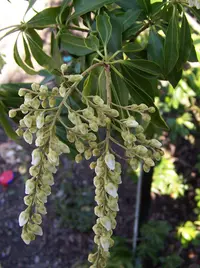
Mountain fetterbush (Pieris floribunda) is an evergreen shrub in the heath family, valued for its dense habit and year-round structure. It typically forms a rounded mound with glossy, leathery leaves and many small, urn-shaped white flowers in spring.
This species is native to the Appalachian Mountains in the eastern United States, where it grows in cool, acidic woodland soils. It is generally slow-growing but long-lived, and it benefits from protection from harsh afternoon sun and drying winds.
Once established, it can be a reliable, low-maintenance shrub, though young plants need consistent moisture and suitable soil to thrive. Understanding how to care for mountain fetterbush helps prevent stress and maintain flowering.

Care Difficulty
Moderate Care

Light Preference
Partial Shade

Water Requirements
Keep Soil Moist

Temperature Preference
Cold Hardy

Hardiness Zone
5–8

Soil Texture
Loamy, Peaty, Organic-rich

Soil pH
Strongly acidic (4.5–5.5), Acidic (5.5–6.5)

Soil Drainage
Moist but well-drained

Fertilization
Minimal (feed rarely)
Scan your plant to receive care tips personalized for your specific plant
Available on iOS and Android
Pieris floribunda prefers bright, gentle light similar to woodland edges.
This shrub prefers consistently moist, cool, but not waterlogged soil.
This species is a cool-temperate shrub that tolerates cold winters and mild summers.
This shrub prefers moderate, consistently moist air but usually copes with typical outdoor humidity.
Pieris floribunda needs acidic, well-aerated, consistently moist but free-draining soil.
This species is suitable for container growing when root space and moisture are carefully managed.
Pieris floribunda benefits from light, targeted feeding in acidic soil but does not need heavy fertilization.
Pieris floribunda needs only light pruning to maintain shape and flowering performance.
This shrub is usually grown in the ground, so focus on careful transplanting rather than frequent repotting.
Propagation of Pieris floribunda is moderate in difficulty and usually done by cuttings or layering.
This evergreen shrub is cold hardy in much of its range but benefits from simple winter care in exposed sites.

Plant Health Check
Not sure what's wrong with your plant? Check your plant's health inside the app.
This species is naturally restricted to cool, acidic woodlands of the Appalachian Mountains, where it grows on well-drained, often rocky, humus-rich slopes under oak and hemlock canopies.
Unlike many related Pieris species with arching or pendulous flower clusters, this plant bears its white, urn-shaped flowers in tight, erect racemes that give shrubs a more compact and vertical flowering display.
Its tissues contain grayanotoxins, a group of neurotoxic compounds also found in some rhododendrons, which make the foliage unpalatable to many browsing mammals and some insects in natural habitats.

The species is considered of conservation concern or protected in several US states because of its limited native range and habitat loss, so wild populations are sometimes monitored and should not be dug or collected from the wild.
All parts of this shrub contain grayanotoxins, which affect the heart and nervous system if eaten. Ingestion can cause vomiting, weakness, drooling, and potentially serious heart problems in pets and humans. Avoid grazing and supervise children closely.
Keep your plants happy and healthy with plant identification, disease detection, and easy care guidance.

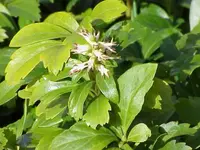
Japanese spurge
Pachysandra terminalis
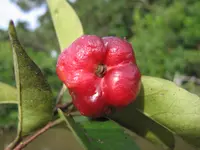
Eugenia florida
Eugenia florida
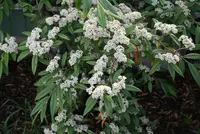
cotoneaster
Cotoneaster salicifolius
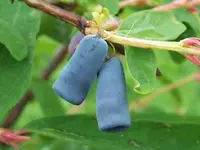
sweetberry honeysuckle
Lonicera caerulea
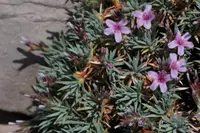
Acantholimon libanoticum
Acantholimon libanoticum
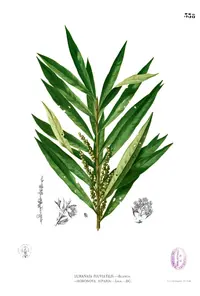
Willow-Leaved Water Croton
Homonoia riparia
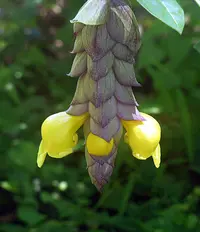
wild sage
Gmelina philippensis

Acer palmatum var. dissectum
Acer palmatum var. dissectum