Willow-Leaved Water Croton Care (Homonoia riparia)

Willow-Leaved Water Croton

About Willow-Leaved Water Croton

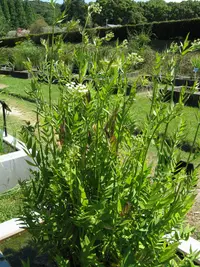
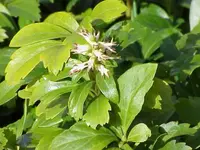
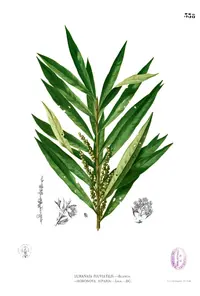
Willow-leaved water croton (Homonoia riparia) is a semi-aquatic shrub found along riverbanks, streams, and wetlands in tropical and subtropical Asia. It often forms dense thickets on moist, sandy or gravelly soils. The plant has long, narrow, willow-like leaves and a bushy, upright habit that can become quite large in suitable conditions. Its strong preference for constant moisture and warmth makes it better suited to outdoor pondsides or very humid gardens than to typical indoor settings. Those who want to learn how to care for Willow-Leaved Water Croton should understand that stable water levels, consistently damp substrate, and good light are key to keeping it healthy.

Main Plant Requirements

Care Difficulty

Moderate Care

Light Preference

Full Sun

Water Requirements

Aquatic

Temperature Preference

Tropical / Frost Sensitive

Hardiness Zone

10–12

Soil Texture

Sandy, Loamy, Organic-rich

Soil pH

Acidic (5.5–6.5), Slightly acidic (6.5–7.0)

Soil Drainage

Waterlogged tolerant

Fertilization

Minimal (feed rarely)

Get Personalized Care Plan

Scan your plant to receive care tips personalized for your specific plant

Available on iOS and Android

How to Care for the Willow-Leaved Water Croton

This semi-aquatic shrub prefers bright, warm conditions with protection from harsh midday sun.

  • Provide 4–6 hours of sun daily, ideally morning sun with light afternoon shade; along streams, Willow-Leaved Water Croton often grows in open but slightly sheltered sites.
  • In open ground, use filtered light or dappled shade where afternoon temperatures are high to reduce leaf scorch and moisture loss.
  • In cloudy or short-day seasons, ensure less shading so stems do not stretch and lower leaves do not yellow from insufficient light.

This riverbank species thrives in consistently moist to saturated conditions and does not tolerate drying out.

  • Maintain soil that is always damp to wet; in the ground near water bodies, allow periodic shallow flooding but avoid stagnant, foul-smelling water.
  • In managed beds, water whenever the top 1–2 cm of soil feels moist but not soupy, aiming for slow, deep soaking instead of brief surface splashes.
  • Watch for underwatering signs such as limp, dull leaves and browning margins, and overwatering stress indicated by sour odor, blackened roots, or sudden leaf drop in poorly aerated soil.

This tropical shrub needs warm, frost-free conditions for reliable growth.

  • Aim for 75–86°F (24–30°C) during the main growing season, which supports strong shoot and root development.
  • Protect from temperatures below 55°F (13°C); exposure near 40°F (4°C) can cause leaf burn, dieback, and increased disease risk, and frost is usually fatal.
  • In hot climates, the plant tolerates 90–95°F (32–35°C) if soil is saturated and roots are shaded, but extended heat above this range with low humidity can stunt growth.

This semi-aquatic shrub prefers very high humidity and reacts quickly to dry air.

  • Aim for 70–90% humidity; constant moisture around roots and foliage best mimics its stream-edge habitat.
  • Dry indoor air causes leaf-edge browning, wilting between waterings, and slower new growth.
  • Increase humidity with trays of water and stones under the pot, grouping plants, or running a nearby cool-mist humidifier.

Homonoia riparia thrives in consistently wet, loose, organic-rich soil that never fully dries.

  • Use a loamy mix with high organic content, such as 2 parts peat or coco coir, 1 part compost, and 1 part sand.
  • Ensure the mix is moisture-retentive yet not dense; visible pore spaces help oxygen reach roots despite saturation.
  • Slightly acidic to neutral pH around 6.0–7.0 supports nutrient uptake in this riparian species.
  • Avoid compacted clay, pure sand, or any mix that either dries out rapidly or stays airless and foul-smelling.

This species can be grown in containers if they are treated like mini wetland basins rather than standard pots.

  • Choose a deep, wide container that accommodates vigorous root spread and reduces tipping from tall, leafy growth.
  • Use a heavy, stable pot material such as ceramic to counterbalance the water weight and dense top growth.
  • Place the pot in a waterproof outer cachepot or tray that can safely hold standing water without damaging surrounding surfaces.

Homonoia riparia benefits from light, targeted feeding when grown in containers or nutrient-poor substrates.

  • Use a balanced liquid fertilizer (for example 10-10-10) at 1/4–1/2 strength every 4–6 weeks during the warm growing season.
  • Alternatively, apply a thin layer of well-rotted compost or a low-dose slow-release formula at the start of spring.
  • Pause feeding in winter or any cool dormant period, when growth slows and nutrient demand drops.
  • Flush the pot occasionally with plain water to prevent salt buildup that can burn roots of Willow-Leaved Water Croton.

Pruning Homonoia riparia is mainly used to keep plants manageable and to remove weak growth.

  • Carry out light pruning in late winter or early spring before strong new growth starts.
  • Remove dead, damaged, or crossing stems first, then thin overcrowded shoots to open the plant’s center.
  • Shorten overly long branches to maintain a balanced, shrubby outline and encourage bushier regrowth.
  • Use clean, sharp hand pruners and make cuts just above a leaf node to reduce dieback risk.

This species is more often grown in the ground, but container plants or nursery stock benefit from careful transplanting.

  • Plan major transplanting for early spring, once frost risk has passed and soil is warming.
  • Move plants when roots circle the container, growth slows, or the root ball dries out very quickly after watering.
  • Shift into a pot or planting hole only 1–2 sizes larger, using moist, well-drained, humus-rich soil to limit shock.
  • Water thoroughly after planting, shade from strong sun for several days, and keep soil evenly moist until new growth resumes.

Homonoia riparia is most often propagated by semi-woody cuttings or seeds under warm, consistently moist conditions.

  • Take semi-hardwood stem cuttings in late spring or early summer, 10–15 cm long, with 2–3 nodes.
  • Dip cut ends in rooting hormone and place in a porous, sterile mix kept at 75–80°F and high humidity.
  • Sow fresh seed in warm, moist seed-starting mix, barely covered, and maintain gentle bottom heat if possible.
  • Provide bright, indirect light and avoid waterlogging to limit rot while roots or seedlings establish.

This tropical to subtropical shrub is frost sensitive and needs active winter management in cooler climates.

  • In regions below about 40°F, grow Homonoia riparia in containers and shift indoors before first frost.
  • Indoors, keep temperatures above 55°F with bright, indirect light and slightly reduced watering.
  • For in-ground plants in mild climates, add a 5–8 cm mulch layer around the root zone to moderate soil temperatures.
  • Avoid cold drafts and sudden temperature swings, which can cause leaf drop and stress.

Care Tips

Seasonal Water Management

In containers or managed beds, slightly reduce water depth or frequency at the coolest time of year to slow growth and discourage root rot, then restore full saturation once temperatures rise and new shoots extend actively.

Edge Containment Planning

Install a solid root barrier 30–40 cm deep along pond or stream edges before planting to prevent rhizomes from invading liners, drains, or adjacent planting zones as the clump matures.

Bank Stabilization Use

Position plants in staggered rows along eroding banks so roots knit the soil while stems slow water flow, spacing clumps 40–60 cm apart to achieve a dense, stabilizing stand within 1–2 seasons.

Routine Cane Thinning

Each year remove a portion of the oldest, woody stems at the base to open the clump, reduce self-shading, and promote vigorous young shoots that maintain an attractive, uniform hedge line.

Aquatic Pest Monitoring

Check submerged and emergent stems regularly for aquatic snails and algae buildup, manually removing them and improving water circulation, which is a key but often overlooked part of caring for Willow-Leaved Water Croton in ornamental ponds.

Common Pests and Diseases

Leaf-chewing caterpillars

This pest feeds on the soft, aquatic or streamside foliage, leaving irregular holes and tattered leaf margins. Symptoms include rapid defoliation on young shoots, especially during warm, humid periods near water bodies.

Solution

Hand-pick visible caterpillars in small plantings and prune heavily damaged leaves to reduce food sources. In larger stands, targeted use of a biological control such as Bacillus thuringiensis (Bt) on foliage, applied in the evening and kept off open water where possible, helps limit damage while sparing most beneficial insects.

Spider mites

These insects are more frequent when Homonoia riparia is grown in containers or in seasonally dry, sheltered sites, causing fine stippling, dull leaves, and fine webbing on the undersides. This pest thrives in hot, dry air with poor airflow.

Solution

Rinse foliage thoroughly with a firm stream of water, focusing on leaf undersides, and increase ambient humidity or misting if the plant is grown in a drier setting. If populations remain high, apply insecticidal soap or a horticultural oil, repeating at 7–10 day intervals until new growth appears clean.

Leaf spot

This disease produces small brown, purple, or black lesions on leaves that may merge into larger dead patches, especially under constant splash or flooding from slow-moving water. Symptoms include premature yellowing and shedding of affected foliage.

Solution

Remove and dispose of heavily spotted leaves to reduce inoculum and avoid overhead watering in container or managed plantings. Improve spacing and water movement around the stand, and if needed use a copper-based fungicide directed at foliage during early symptom development, keeping applications away from open water and aquatic life as much as possible.

Stem canker

This disease causes sunken, darkened lesions on lower stems that may girdle shoots, leading to wilting and dieback in saturated or fluctuating water conditions. Symptoms include localized stem cracking and failure of affected branches to leaf out normally.

Solution

Prune and discard cankered stems well below visible damage, disinfecting pruning tools between cuts. Improve water movement and drainage around the root zone where feasible, avoid wounding stems, and in managed plantings rotate away from repeatedly affected sites to limit pathogen buildup.

Interesting Facts

Specialist riverbank shrub

This species naturally grows along riverbanks, sandbars, and seasonally flooded margins in South and Southeast Asia, forming dense thickets that help stabilize loose, erosion‑prone soils.

Adapted to flooding

It tolerates periodic inundation and fluctuating water levels, with roots and lower stems adapted to survive in low-oxygen, waterlogged substrates that would stress many other shrubs.

Support for aquatic fauna

Its overhanging branches and submerged root systems create sheltered microhabitats that provide cover for small fish, aquatic invertebrates, and juvenile stages of various freshwater organisms.

Botan icon

Did you know?

Field observations have documented this shrub as an early colonizer of newly exposed river sandbars and disturbed riparian zones, where it can act as a pioneer species that prepares the substrate for later-establishing trees and larger shrubs.

FAQs about Willow-Leaved Water Croton

This species forms dense thickets along wet banks and can spread strongly by seed and suckering in suitable climates. In small gardens, use physical barriers or containers and remove unwanted shoots to prevent it dominating planting areas.

Grow Healthy Plants with Botan Care

Keep your plants happy and healthy with plant identification, disease detection, and easy care guidance.

Botan plant care app — identify plants on mobile

Explore More Plants