Sturdy branch support
Install low, rigid supports such as short stakes or a simple wire frame early in the plant’s life to keep arching branches off the ground, which improves air flow and reduces fruit rot and foliar disease risk.

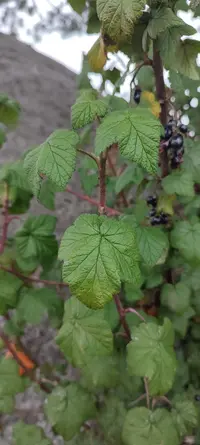
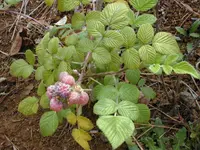
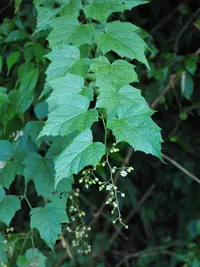
Ribes ciliatum is a deciduous shrub in the gooseberry and currant family, typically forming a loose, upright clump with slender, branching stems. The leaves are lobed and soft-textured, giving the plant a light, open look in leaf.
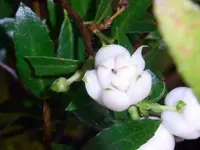
It is native to western North America, where it grows in montane woods, stream edges, and other cool, moist habitats. Small, inconspicuous flowers are followed by berries that are mainly valued for wildlife rather than for human use.
This species is generally considered adaptable and not difficult to grow if its need for cool conditions and consistent moisture is respected. Light shade, well-drained but humus-rich soil, and protection from extreme heat all support long-term success and make it easier to care for Ribes ciliatum.

Care Difficulty
Moderate Care

Light Preference
Partial Shade

Water Requirements
Moderate Water

Temperature Preference
Cold Hardy

Hardiness Zone
5–8

Soil Texture
Loamy, Sandy, Organic-rich

Soil pH
Acidic (5.5–6.5), Slightly acidic (6.5–7.0)

Soil Drainage
Moist but well-drained

Fertilization
Minimal (feed rarely)
Scan your plant to receive care tips personalized for your specific plant
Available on iOS and Android
This shrub prefers bright outdoor conditions with a balance of direct sun and partial shade.
Watering should support steady growth without leaving the roots in saturated soil.
This hardy shrub tolerates a broad temperature range but grows best in moderate conditions.
This shrub handles a wide humidity range and rarely needs special humidity management outdoors.
Ribes ciliatum grows best in loose, moist, well-drained soil with moderate organic matter.
This species can be grown in containers when given enough root space and stable moisture.
This shrub is modest in nutrient demand and benefits most from light, steady feeding on poor soils.
Pruning helps maintain a healthy framework and good flowering on Ribes ciliatum.
This species is usually grown in the ground, so focus on careful site planting and occasional transplanting rather than frequent repotting.
New plants are most commonly produced from cuttings or seed.
This is a cold-hardy shrub that generally needs minimal winter attention in most temperate climates.

Plant Health Check
Not sure what's wrong with your plant? Check your plant's health inside the app.
This currant naturally grows along cold, fast-flowing mountain streams and wet forest edges in western North America, indicating strong adaptation to cool, moist, but well-drained habitats.
The leaves and young stems bear small yellow glandular hairs that can give the plant a slightly sticky feel and are thought to help deter some herbivores and small insects.
Its flowers appear relatively early in the growing season in cool forests, providing nectar and pollen for emerging native bees and other pollinators when few other shrubs are in bloom.
Lack of flowers usually comes from too much shade, pruning at the wrong time removing flower buds, or excess nitrogen fertilizer. Ensure good light, avoid heavy spring pruning, and use a balanced, low-nitrogen product.
Keep your plants happy and healthy with plant identification, disease detection, and easy care guidance.