Bolwarra Care (Eupomatia laurina)

Bolwarra

About Bolwarra

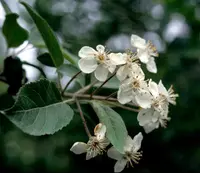
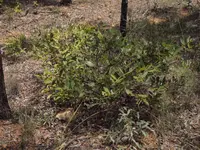
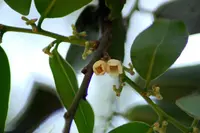
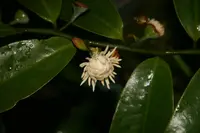
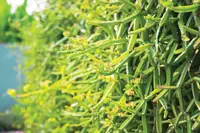
Bolwarra (Eupomatia laurina) is an evergreen shrub or small tree native to the rainforests of eastern Australia and New Guinea. It is valued for its glossy oval leaves and aromatic, cup-shaped flowers that are followed by edible, fragrant fruit. In gardens, it usually forms a dense, bushy habit that suits hedging, screening, or a sheltered understory position. It prefers warm, frost-free conditions and benefits from protection from hot, drying winds. The plant grows best in consistently moist, well-drained soil with partial shade, similar to its natural forest habitat. Understanding how to care for Bolwarra starts with providing stable moisture, mild temperatures, and shelter from extremes.

Main Plant Requirements

Care Difficulty

Moderate Care

Light Preference

Partial Shade

Water Requirements

Keep Soil Moist

Temperature Preference

Tropical / Frost Sensitive

Hardiness Zone

10–11

Soil Texture

Loamy, Sandy, Organic-rich

Soil pH

Acidic (5.5–6.5), Slightly acidic (6.5–7.0)

Soil Drainage

Moist but well-drained

Fertilization

Minimal (feed rarely)

Get Personalized Care Plan

Scan your plant to receive care tips personalized for your specific plant

Available on iOS and Android

How to Care for the Bolwarra

Eupomatia laurina prefers bright, gentle light that mimics its native understory habitat.

  • Provide 3–5 hours of soft morning sun with dappled or filtered light for the rest of the day; avoid harsh midday and late afternoon sun.
  • Tolerates light to medium shade but dense shade reduces flowering and makes Bolwarra leggy, with sparse, stretched growth.
  • Outdoors, use overhead canopy or shade cloth in summer to prevent leaf scorch; in winter, ensure at least 4–6 hours of bright, indirect light.

This species prefers evenly moist, well-drained soil and is sensitive to both drought and waterlogging.

  • Water when the top 2–4 cm of soil feels dry, allowing deeper soil to stay slightly moist, especially during active growth in spring and summer.
  • Use deep, thorough watering so moisture reaches the root zone, then let excess drain away; avoid standing water and compacted, poorly drained soil.
  • Reduce watering frequency in cooler months, watching for wilt, curling, or dry leaf edges as signs of underwatering and yellowing, soft leaves as signs of overwatering.

This plant grows best in mild, frost-free climates with stable, warm temperatures.

  • Aim for 65–80°F (18–27°C) for optimal growth, as sustained temperatures in this range support steady foliage and flower development.
  • Protect from cold below 40°F (4°C); light, brief dips may be tolerated, but true frost can damage leaves, young stems, and flower buds.
  • In hot spells above 90°F (32°C), provide extra shade and soil moisture to reduce heat stress and leaf scorch, especially in exposed garden sites.

This species prefers moderately moist air and benefits from slightly elevated humidity in heated or air-conditioned homes.

  • Aim for 50–70% humidity; it tolerates brief dips lower but prolonged very dry air slows growth.
  • Low humidity causes browning leaf tips, curled edges, and stalled new shoots on Bolwarra.
  • Increase humidity with a pebble tray under the pot or a nearby humidifier rather than misting leaves.

Eupomatia laurina grows best in moist, well‑structured mixes that combine drainage with steady moisture retention.

  • Use a loamy, organic‑rich mix with a structure similar to forest soil, not dense potting compost alone.
  • Aim for slightly acidic to neutral pH, around 6.0–7.0, to support nutrient uptake and healthy root growth.
  • Combine 50–60% peat-free compost with 20–30% fine bark and 10–20% perlite or coarse sand for aeration and drainage.
  • Avoid heavy clay, waterlogged sites, or mixes that stay soggy, which promote root rot and restrict oxygen around roots.

This species adapts well to container growing when given a stable, moisture-retentive but free-draining setup.

  • Choose a deep, heavy pot to anchor the woody shrub and reduce tipping in wind or on balconies.
  • Select a container material like terracotta only if extra evaporation is needed to balance a moisture-retentive mix.
  • Leave a 2–3 cm gap below the rim when potting to allow thorough surface watering without overflow and ensure even wetting of the root zone.

Eupomatia laurina benefits from light, steady nutrition rather than heavy feeding.

  • Use a balanced slow-release fertilizer (around 10-10-10) or well-aged compost mixed into the topsoil at the start of spring.
  • Feed outdoor plants once each growing season; container plants can receive a diluted liquid feed every 4–6 weeks.
  • Dilute liquid fertilizers to 1/2 strength to avoid root burn and excessive soft growth.
  • Stop feeding in late summer and provide no fertilizer in winter, as Bolwarra slows its growth.

Eupomatia laurina needs only light, corrective pruning to maintain a healthy framework.

  • Carry out pruning in late winter or early spring before strong new growth begins.
  • Remove dead, damaged, crossing, or inward-growing branches with clean, sharp bypass pruners or loppers.
  • Thin crowded interior shoots to improve light penetration and air flow, which supports overall vigor.
  • Shorten overly long stems to shape the shrub or small tree without cutting back into very old wood.

This species is usually grown in the ground, with transplanting focused on young plants rather than frequent repotting.

  • Transplant in late winter to early spring when growth is just starting and conditions are mild.
  • Look for roots circling the pot, water draining too quickly, or slowed growth as signs a container plant needs a larger pot.
  • Move up only 1–2 pot sizes, disturb roots minimally, and keep the root ball intact to limit transplant shock.
  • Water thoroughly after planting, shade from harsh sun for 1–2 weeks, and maintain even moisture while new roots establish.

Eupomatia laurina is propagated mainly from fresh seed and semi-hardwood cuttings under controlled conditions.

  • Sow fresh seed in warm conditions (70–77°F) using a free-draining seed mix, keeping it evenly moist but not waterlogged.
  • Take semi-hardwood cuttings in late spring to summer, using 7–10 cm pieces with several nodes.
  • Dip cut ends in rooting hormone, then place in a sterile, moist, well-aerated medium under high humidity and bright, indirect light.
  • Maintain stable warmth at the root zone and avoid overwatering, which can lead to rot before roots develop.

This warm-temperate species is frost sensitive and needs protection in regions with cold winters.

  • In climates below about 28°F, grow Eupomatia laurina in containers so plants can be moved indoors or into a greenhouse.
  • Use a 5–8 cm mulch layer around outdoor plants to insulate roots, keeping mulch slightly away from the trunk.
  • Cover young shrubs with a breathable frost cloth during cold snaps to reduce leaf and stem damage.

Care Tips

Sheltered wind protection

Site plants where taller shrubs or a fence break strong winds, since this species has relatively brittle branches that benefit from a protected, understory-like position.

Mulch for root cooling

Apply a 5–8 cm layer of fine bark or leaf mulch around the root zone, keeping it a few cm away from the stem, to keep the shallow roots cool and stable in temperature.

Gentle formative pruning

In late winter, lightly thin congested interior shoots rather than shortening all tips, which maintains the natural form while improving air movement and reducing fungal issues.

Understory companion planting

Grow low, non‑competitive groundcovers with modest root systems beneath the canopy to shade the soil surface and mimic its natural forest floor habitat without robbing it of moisture.

Container rotation routine

For container specimens, rotate the pot 90° every 2–3 weeks during active growth so the crown develops evenly and remains balanced, which is especially helpful when growing Bolwarra near a bright window or wall.

Common Pests and Diseases

Fruit fly infestation

This pest targets ripening fruits, laying eggs under the skin so larvae feed on the soft flesh and cause premature fruit drop. Symptoms include small puncture marks, soft patches, and rapidly rotting fruit with maggots inside.

Solution

Collect and destroy infested fruit, including any on the ground, to break the life cycle, and bag or cover maturing fruit with fine mesh or exclusion bags. In outdoor situations, use species-appropriate fruit fly traps placed around the plant and maintain good orchard hygiene to reduce local populations when growing Bolwarra.

Scale insects

These insects attach to stems and leaf veins, sucking sap and weakening the plant, which can lead to yellowing foliage and reduced growth. Sticky honeydew and sooty mold may develop on leaves below heavy infestations.

Solution

Physically remove small numbers by gently scraping or wiping with a cotton pad dipped in diluted alcohol or insecticidal soap. For larger infestations, spray the plant thoroughly with horticultural oil, repeating at 7–14 day intervals, and improve vigor through correct watering and fertilizing so the plant can better tolerate minor damage.

Myrtle rust

This disease is caused by a rust fungus that infects young leaves, shoots, and sometimes flowers, especially in warm, humid conditions. Symptoms include bright yellow to orange powdery pustules on new growth, leaf distortion, and dieback of tender shoots.

Solution

Promptly prune and dispose of affected shoots in sealed bags, disinfecting tools after each cut to avoid spreading spores. Improve air circulation, avoid overhead watering, and, in areas where myrtle rust is common, monitor new flushes of growth regularly and consider using a registered rust fungicide if infections are recurrent and severe.

Sooty mold

This disease develops as a black, velvety fungal growth on leaves and stems that are coated in honeydew from sap-sucking insects such as scale or aphids. Symptoms include dull, blackened foliage that may interfere with photosynthesis and reduce plant vigor.

Solution

Control the underlying honeydew-producing insects first using methods such as horticultural oil or insecticidal soap. Once insect pressure is reduced, gently wash affected leaves with lukewarm water and a mild soap solution to remove sooty deposits and allow new clean foliage to develop.

Interesting Facts

Ancient floral lineage

This species belongs to one of the most basal angiosperm lineages, meaning its floral structure is considered more primitive compared with many modern flowering plants and helps researchers study early flower evolution.

Beetle pollination strategy

Its flowers are adapted for pollination mainly by small beetles, providing them with sheltered space and food rather than relying on showy petals or nectar to attract bees and butterflies.

Edible aromatic berries

The plant produces small, aromatic berries that are eaten locally in parts of Australia, where they are sometimes used fresh or in desserts for their spicy, sweet flavor.

Botan icon

Did you know?

Eupomatia laurina has a floral structure lacking true petals, instead using petal-like sterile stamens called staminodes, a trait that makes it a valuable model in studies of how early flowers may have been organized.

FAQs about Bolwarra

Yes. The flowers are pollinated mainly by small beetles that are drawn to their scent and structure. This interaction is important for fruit set and seed production, so avoid heavy insecticide use during flowering where possible.

Grow Healthy Plants with Botan Care

Keep your plants happy and healthy with plant identification, disease detection, and easy care guidance.

Botan plant care app — identify plants on mobile

Explore More Plants