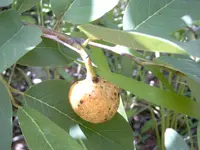
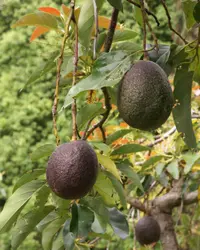
Wind training outdoors
In windy sites, gradually acclimate young plants by staking loosely and lowering the stake height over several months so stems thicken and better support heavy fruit loads.

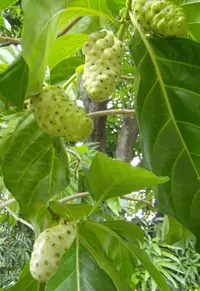
Indian mulberry, Morinda citrifolia, is an evergreen shrub or small tree known for its glossy leaves and irregular, pale green to yellow fruit. It has a dense, bushy habit and can form a rounded crown in suitable climates.
This species is native to Southeast Asia and the Pacific islands but is now widely grown in many tropical and subtropical regions. It is often found along coasts, in open forests, and in disturbed sites.
The plant is generally robust in warm conditions and tolerates salt, wind, and brief dry periods, which makes it fairly forgiving to grow. Understanding how to care for Indian mulberry mainly involves providing warmth, consistent moisture, and well-draining soil.

Care Difficulty
Moderate Care

Light Preference
Full Sun

Water Requirements
Regular Water

Temperature Preference
Tropical / Frost Sensitive

Hardiness Zone
11–12

Soil Texture
Sandy, Loamy, Organic-rich

Soil pH
Acidic (5.5–6.5), Slightly acidic (6.5–7.0)

Soil Drainage
Moist but well-drained

Fertilization
Minimal (feed rarely)
Scan your plant to receive care tips personalized for your specific plant
Available on iOS and Android
Morinda citrifolia performs best in strong light typical of tropical coastal areas.
Morinda citrifolia prefers consistently moist but not waterlogged soil in tropical and subtropical climates.
This tropical species needs warm, frost‑free conditions for reliable growth and fruiting.
This species prefers moderately humid air but usually adapts to typical indoor levels.
This species grows best in loose, fast-draining, slightly acidic to neutral soil.
This species can be grown in containers if the pot size and stability match its vigorous, tree-like habit.
Morinda citrifolia benefits from light but consistent feeding to support leafy growth and fruiting in containers or poor soils.
Morinda citrifolia responds well to modest structural pruning to manage size and maintain a healthy canopy.
This species is often grown in the ground, but young or container-grown plants benefit from careful transplanting to maintain vigorous growth.
New Morinda citrifolia plants are most commonly produced from seeds, with stem cuttings used where a specific plant must be cloned.
This tropical tree is frost-sensitive and needs careful winter management in cooler climates, especially when grown outside its native range.

Plant Health Check
Not sure what's wrong with your plant? Check your plant's health inside the app.
This species can flower and fruit multiple times per year, often carrying buds, flowers, green fruits, and ripe fruits on the same tree at once in tropical climates.
The ripe fruit produces a pungent, cheese-like odor caused by volatile sulfur compounds and short-chain fatty acids, which attract fruit-eating animals that disperse its seeds.
It naturally grows on coral coasts, limestone outcrops, and sandy shores, and tolerates salt spray and alkaline, nutrient-poor soils better than many other tropical trees.

Archaeobotanical and ethnobotanical evidence shows that early Polynesian voyagers intentionally carried this species in their canoes across the Pacific, helping spread it from its original range in Southeast Asia to many remote oceanic islands as a managed useful plant.
The fruit, leaves, and juice are edible and widely used in traditional medicine and food products. The ripe fruit has a strong odor and sharp taste, so it is usually processed into juice, extracts, or supplements.
Keep your plants happy and healthy with plant identification, disease detection, and easy care guidance.