


Rotate stems regularly
Turn the container 90° every 1–2 weeks so the canes lean less toward the light and develop straighter, more balanced growth.

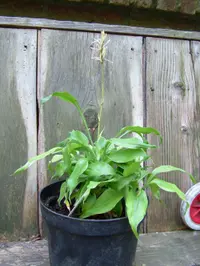
Dracaena braunii, often sold as lucky bamboo, is a compact, upright shrub-like plant grown mainly for its clean, architectural stems and narrow green leaves. It is not a true bamboo but a tropical understory species, naturally occurring in parts of Central Africa where light is filtered and humidity is moderate to high.
In homes and offices it is usually grown in water-filled containers with pebbles or in loose, well-drained potting mixes. Its slow growth, tolerance of low to medium light, and modest care needs make it suitable for beginners who want to learn how to care for Dracaena braunii.
The plant is generally forgiving of minor neglect but reacts poorly to overfertilizing, very hard tap water, or prolonged direct sun, which can damage foliage over time.

Care Difficulty
Easy Care

Light Preference
Bright Indirect Light

Water Requirements
Moderate Water

Temperature Preference
Tropical / Frost Sensitive

Hardiness Zone
10–12

Soil Texture
Loamy, Sandy, Organic-rich

Soil pH
Acidic (5.5–6.5), Slightly acidic (6.5–7.0)

Soil Drainage
Moist but well-drained

Fertilization
Light (every 4–6 weeks)
Scan your plant to receive care tips personalized for your specific plant
Available on iOS and Android
This plant prefers bright, gentle light rather than intense direct sun.
Watering should keep roots moist but never stagnant or waterlogged.
Stable, warm conditions support steady growth and reduce stress for this species.
This species prefers moderate household humidity and tolerates slightly dry air.
This species prefers a loose, well‑drained, organic‑rich rooting medium.
This species is well suited to container growing.
This plant benefits from modest, controlled feeding during active growth.
Light pruning helps maintain size, appearance, and health of Dracaena braunii.
Container-grown plants need periodic repotting to prevent root congestion and maintain vigor.
Propagation is commonly done from stem cuttings rather than seeds.
This tropical species is not frost hardy and needs protection in cool climates.

Plant Health Check
Not sure what's wrong with your plant? Check your plant's health inside the app.
Although widely sold as lucky bamboo, this species belongs to the Asparagaceae family and is more closely related to Dracaena and Asparagus than to true bamboos, which are grasses in the Poaceae family.
In its native range in West-Central Africa, this plant often grows along shaded stream margins and forest edges, where its stems experience periodic flooding and very soft, low-mineral water.
Research on its stems shows elevated silica (silicon dioxide) deposits in the tissues, which help support the upright, cane-like growth despite relatively soft, water-rich internal tissue.

In traditional Chinese geomancy, straight and spiral forms of this species are arranged in specific stem counts and shapes to symbolize different types of good fortune, which helped drive its global popularity as a desk and office gift plant in the late 20th century.
Yellowing leaves usually come from excess water, low light, or fluoride/salts in tap water. Older lower leaves naturally yellow and drop over time. Check drainage, reduce watering frequency, and, if possible, use filtered or rainwater.
Keep your plants happy and healthy with plant identification, disease detection, and easy care guidance.

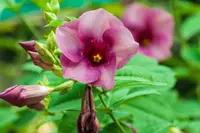
musk okra
Abelmoschus moschatus
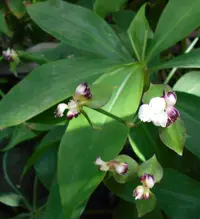
Cohitre Blanco
Tradescantia zanonia
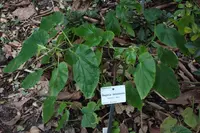
Begonia salaziensis
Begonia salaziensis
Asparagus umbellatus
Asparagus umbellatus
 POPULAR
Ming aralia
Polyscias fruticosa
arborescent angel's-tears
Brugmansia versicolor
Elephant's Ear
Alocasia reginula 'Black Velvet'
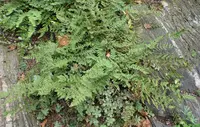
hairy lip fern
Hemionitis lanosa