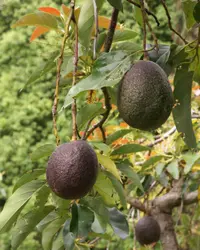
Kuman Care (Sterculia quadrifida)

Also known as: Peanut tree, Peanut bush
Kuman

About Kuman

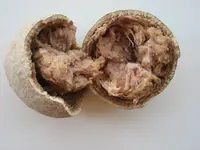
Kuman (Sterculia quadrifida) is a small to medium evergreen tree known for its glossy green leaves and striking pods that split to reveal bright orange-red interiors. It has a naturally upright, branching habit and can form a rounded canopy in suitable conditions.

This species is native to coastal rainforests and monsoon forests of northern Australia and nearby regions, where it grows in warm, humid climates. It prefers bright light, moderate moisture, and well-drained soil, and its tolerance of brief dry periods makes it relatively adaptable.

For home gardeners, it suits mild to tropical outdoor gardens and larger sheltered spaces, but its eventual size limits indoor use. Understanding how to care for Kuman starts with providing steady warmth and protection from hard frost.

Main Plant Requirements

Care Difficulty

Moderate Care

Light Preference

Full Sun

Water Requirements

Moderate Water

Temperature Preference

Tropical / Frost Sensitive

Hardiness Zone

10–12

Soil Texture

Sandy, Loamy, Organic-rich

Soil pH

Acidic (5.5–6.5), Slightly acidic (6.5–7.0)

Soil Drainage

Moist but well-drained

Fertilization

Minimal (feed rarely)

Get Personalized Care Plan

Scan your plant to receive care tips personalized for your specific plant

Available on iOS and Android

How to Care for the Kuman

Sterculia quadrifida grows best in bright, warm climates with filtered to partial sun exposure.

  • Provide 4–6 hours of morning sun with light shade or dappled light in the afternoon to protect foliage from scorch.
  • Tolerates partial shade, but dense shade reduces flowering and fruiting, so position Kuman where it receives broken canopy light.
  • In hot summers, use taller plants or structures to filter harsh midday sun, especially on young trees, and monitor leaves for bleaching or crisp edges.

Watering for Sterculia quadrifida focuses on maintaining steadily moist but not saturated soil.

  • Allow the top 3–5 cm of soil to dry before deep watering, then soak the root zone so moisture reaches at least 15–20 cm depth.
  • In hot, dry seasons, expect to water more often, watching for slight leaf droop or dullness as a cue, while in cooler or rainy periods extend intervals.
  • Ensure free-draining soil; signs of overwatering include yellowing leaves and soft stems, while persistent leaf curl and brittle tips indicate underwatering.

This species prefers consistently warm, frost-free conditions to grow well.

  • Aim for 70–86°F (21–30°C) for strongest growth, with stable warmth supporting foliage, flowering, and fruit set.
  • Protect from cold; growth slows below 59°F (15°C), and damage occurs if exposed to around 41°F (5°C) or brief light frost.
  • In hot regions, trees tolerate 95°F (35°C) or slightly higher if soil moisture is maintained and roots are mulched to reduce heat stress.

This species prefers moderate humidity but usually adapts to typical indoor levels when not exposed to extreme dryness.

  • Aim for 40–60% humidity to reduce leaf edge browning and keep foliage turgid.
  • Tolerates short periods of drier air, but prolonged exposure can cause crisp tips and slower growth in Kuman.
  • Increase humidity by grouping plants, using a nearby tray of water and pebbles, or running a small-room humidifier.

This tree prefers a loose, well-aerated mix that drains quickly yet retains some consistent moisture.

  • Use a sandy-loam style mix: 40% general potting mix, 30% coarse sand, 30% fine bark or perlite for Sterculia quadrifida.
  • Keep drainage rapid to prevent root rot, with water passing through the pot within seconds rather than pooling on the surface.
  • Target slightly acidic to neutral pH around 6.0–7.0, avoiding strongly alkaline mixes that can lock up nutrients.
  • Improve aeration by incorporating chunky particles such as pine bark, coarse perlite, or scoria and avoid heavy clay-based garden soil.

This species can be grown in containers when kept pruned and provided with a stable, well-drained pot.

  • Choose a deep, heavy pot that balances the plant’s woody canopy and reduces tipping in strong wind.
  • Select thick-walled clay or concrete containers outdoors to moderate root temperature and prevent rapid moisture swings.
  • Ensure large, unobstructed drainage holes and elevate the pot slightly so excess water exits quickly after heavy watering or rain.

This tropical tree benefits from light, balanced feeding when grown in containers or poor soil, but established plants in the ground often need little extra nutrition.

  • Use a balanced, slow-release fertilizer (around 10-10-10) or well-rotted compost at the start of the warm growing season.
  • Feed container-grown Kuman every 6–8 weeks in spring and summer, using fertilizer at 1/2 the labeled strength.
  • Reduce or stop feeding in fall and winter when growth slows, to avoid soft, weak new shoots.
  • Water before and after fertilizing to limit root burn and help nutrients move evenly through the root zone.

Pruning Sterculia quadrifida is mainly done to maintain a safe, well-shaped canopy and remove problem wood.

  • Carry out structural pruning in late winter or early spring before vigorous new growth starts.
  • Remove dead, diseased, crossing, or storm-damaged branches with clean, sharp bypass pruners or a pruning saw.
  • Thin congested interior branches to improve light penetration and airflow, which supports healthier foliage.
  • Limit cuts to smaller branches where possible, keeping natural form and avoiding heavy topping that stresses the tree.

This species is usually grown in the ground, so transplanting young trees correctly is more important than frequent repotting.

  • Transplant in late spring or early summer once soil is warm and the risk of frost has passed.
  • Look for circling roots in nursery containers and gently tease them loose to encourage outward growth.
  • Plant at the same depth as in the pot, in a wide hole with loosened surrounding soil to reduce root stress.
  • Water deeply after planting, then keep soil evenly moist and shade the tree lightly for 1–2 weeks to aid establishment.

Propagation of this tree is possible but generally done on a small scale for specialised collections or restoration plantings.

  • Use fresh seeds in late spring; remove any fleshy coating and sow in a well-drained, sterile seed mix.
  • Maintain warm conditions of about 70–80°F and consistent, light moisture for reliable germination.
  • Provide bright, indirect light and good air movement to limit damping-off, a fungal disease that kills seedlings at soil level.
  • Transplant seedlings carefully once they form several true leaves, avoiding damage to the sensitive taproot.

This tropical tree is not frost hardy and needs protection in regions with cool or freezing winters.

  • In frost-prone areas, grow it in a large container and move indoors or into a heated greenhouse before temperatures fall below 40°F.
  • For in-ground trees in marginal climates, apply a 5–10 cm mulch layer around the root zone, keeping it off the trunk.
  • Shelter young plants from cold winds using temporary barriers such as shade cloth or windbreak fabric.

Care Tips

Early structural training

While young, choose 1 strong leader stem and remove or shorten competing shoots to develop a stable single trunk that will support the eventual canopy and pod load.

Wind and stake management

In exposed sites, install 2–3 sturdy stakes outside the root zone and use soft, flexible ties to anchor the trunk loosely so it can move slightly and develop strength without kinking or rubbing.

Mulch for root protection

Apply a 5–8 cm layer of coarse organic mulch over the root zone, keeping it 5–10 cm away from the trunk, to buffer soil temperature, reduce evaporation, and protect the shallow feeder roots.

Pod and seed monitoring

Inspect pods as they color and begin to split, collecting them before they fully open so you can manage seed fall, control unwanted seedlings, and improve safety where people walk or children play.

Cold event preparation

In regions with occasional cold snaps, prepare ahead by having frost cloth or breathable fabric ready to drape over the canopy during forecast lows, which greatly reduces stress when caring for Kuman near the edge of its hardiness range.

Common Pests and Diseases

Kurrajong psyllid

This pest forms raised, blister-like galls on young leaves and shoots, causing distortion and reduced vigour. These insects feed on sap and are often found on the undersides of new growth.

Solution

Prune and destroy heavily distorted shoots, then hose down foliage to remove remaining nymphs. For persistent infestations, use a targeted systemic insecticide labeled for psyllids or a horticultural oil spray, and avoid heavy nitrogen fertilization that encourages very soft, flush growth.

Leaf-mining moth larvae

This pest creates winding, pale tunnels within leaves, which may later turn brown and dry. Symptoms include thin, papery patches where the internal leaf tissue has been eaten out.

Solution

Remove and dispose of mined leaves as soon as damage is seen to break the life cycle. In outdoor trees, encourage natural predators and, if needed, apply a systemic insecticide during peak larval activity, ensuring good coverage of young foliage.

Sooty mold

This disease appears as a black, soot-like coating on leaves and stems that grows on honeydew excreted by sap-sucking insects such as scale or psyllids. Symptoms include dull, sticky foliage and reduced photosynthesis.

Solution

First control the honeydew-producing insects with horticultural oil or insecticidal soap, applied thoroughly to leaf undersides and stems. Once the infestation is reduced, gently wash affected leaves with water and a mild soap solution to remove the fungal coating and improve light penetration.

Scale insects

This pest appears as small, immobile bumps on stems and leaves, often clustered along veins, and causes yellowing, leaf drop, and general decline. These insects feed on sap and produce honeydew that may lead to sooty mold.

Solution

Scrape or wipe off accessible scales with a cloth or soft brush, then treat remaining colonies with horticultural oil, ensuring full coverage of stems and leaf undersides. For large trees with heavy infestations, consider a systemic insecticide applied according to local regulations and label directions to support long-term Sterculia quadrifida care.

Interesting Facts

Brightly contrasting seeds

The ripe follicles split open to reveal glossy black seeds surrounded by a vivid orange to scarlet aril, a color contrast that strongly attracts birds which act as the main seed dispersers.

Unusual fruit structure

Its woody fruits are technically follicles, each developing from a single carpel and opening along one side, a characteristic feature of the mallow family relative it belongs to.

Native rainforest range

This species occurs naturally in coastal and subcoastal rainforests and monsoon forests of northern and eastern Australia and parts of New Guinea, where it forms a small to medium understory or edge tree.

Botan icon

Did you know?

In some regions of northern Australia, the brightly colored arils around the seeds are known as peanut tree nuts and are traditionally eaten raw or lightly roasted by Indigenous communities as a seasonal food.

FAQs about Kuman

This tree has a moderate growth rate. In warm climates with good soil and moisture, it typically adds around 30–60 cm of height per year, slowing as it approaches its mature size.

Grow Healthy Plants with Botan Care

Keep your plants happy and healthy with plant identification, disease detection, and easy care guidance.

Botan plant care app — identify plants on mobile

Explore More Plants