red ginger Care (Alpinia purpurata)

red ginger

About red ginger

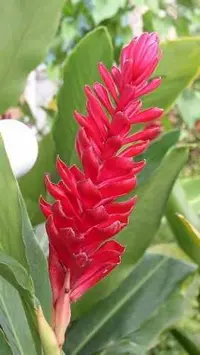
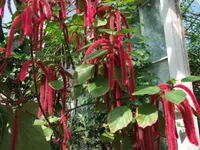
Red ginger, Alpinia purpurata, is a tropical rhizomatous perennial grown mainly for its tall, colorful flower spikes and lush green foliage. It forms dense clumps that give a strong vertical accent in garden beds or large containers.

This species is native to the warm, humid lowlands of the Pacific Islands and parts of Southeast Asia. In suitable climates it can bloom for long periods, making it a popular ornamental plant.

It prefers bright, filtered light, consistent moisture, and rich, well-drained soil. Once its warmth and humidity needs are understood, it is moderately easy to care for red ginger, especially in tropical or greenhouse conditions.

Main Plant Requirements

Care Difficulty

Moderate Care

Light Preference

Partial Shade

Water Requirements

Keep Soil Moist

Temperature Preference

Tropical / Frost Sensitive

Hardiness Zone

10–12

Soil Texture

Loamy, Sandy, Organic-rich

Soil pH

Acidic (5.5–6.5), Slightly acidic (6.5–7.0)

Soil Drainage

Moist but well-drained

Fertilization

Moderate (every 2–4 weeks)

Get Personalized Care Plan

Scan your plant to receive care tips personalized for your specific plant

Available on iOS and Android

How to Care for the red ginger

Alpinia purpurata prefers bright, filtered light that mimics its native tropical understory.

  • Provide 4–6 hours of bright, indirect light daily; early morning sun is fine, but protect from harsh midday and afternoon sun to prevent leaf scorch.
  • Plant red ginger where it receives dappled or partial shade, such as under high tree canopies or on the east side of buildings.
  • In regions with low winter light, choose the brightest sheltered spot available, watching for stretched, pale growth that signals insufficient light.

Alpinia purpurata thrives in consistently moist but not waterlogged soil.

  • Water when the top 2–4 cm of soil feels slightly dry, aiming for evenly damp soil that never stays soggy for more than a few hours.
  • Improve drainage with loose, organic-rich soil and avoid sites where water pools after rain, which increases root rot risk.
  • In cooler months, reduce frequency as growth slows, watching for limp, curling leaves from underwatering or yellowing, mushy stems from overwatering.

This tropical species needs warm, stable temperatures for reliable growth and flowering.

  • Aim for 70–85°F (21–29°C) for best growth, as sustained warmth supports strong foliage and flower production.
  • Protect from cold; growth slows below 60°F (16°C), and tissue damage often occurs below 50°F (10°C), with frost quickly killing exposed stems.
  • In hot spells above 90°F (32°C), provide extra shade and soil moisture, while sheltering plants from drying winds and sudden temperature swings.

This species prefers consistently high air humidity to maintain healthy foliage and flower production.

  • Aim for 60–80% humidity; below 50% the leaf tips of red ginger often brown and curl.
  • Expect poor growth, dull leaves, and crispy edges in prolonged dry, heated indoor air.
  • Increase humidity with a pebble tray under the pot, grouped plants, and regular lukewarm misting of leaves.

Alpinia purpurata grows best in deep, moist, airy, and nutrient-rich soil with fast drainage.

  • Use a loose, loamy mix of roughly 40% peat- or coco-based potting mix, 30% compost, and 30% perlite or fine bark to keep pores open.
  • Maintain slightly acidic to neutral pH, around 6.0–7.0, to support nutrient uptake and root health.
  • Improve heavy or clay garden soil by raising the bed and mixing in coarse sand, fine bark, and compost to boost drainage and aeration.
  • Avoid waterlogged, compacted, or very sandy nutrient-poor soils that stay either soggy or bone-dry for long periods.

This species is suitable for large containers if moisture and stability are well managed.

  • Choose a wide, heavy container to counter the tall, top-heavy stems and reduce tipping in wind-prone spots.
  • Select thick-walled terracotta or other breathable materials when extra moisture loss is helpful in very wet climates.
  • Elevate the pot slightly on feet or blocks so drainage holes stay clear and water does not pool under the base.

Alpinia purpurata responds well to moderate feeding during its active growing season.

  • Use a balanced liquid fertilizer (around 10-10-10) at 1/2 strength every 4–6 weeks in spring and summer.
  • For red ginger in containers, choose a slow-release granular fertilizer mixed into the topsoil at the start of the season.
  • Supplement with a thin layer of compost once per year to support soil structure and microbial life.
  • In fall and winter, reduce feeding to 1/4 strength or stop entirely if growth has slowed.

Pruning helps maintain Alpinia purpurata’s shape and encourages strong new canes and blooms.

  • Best time is late winter to early spring, before vigorous new growth begins.
  • Remove dead, diseased, or storm-damaged canes at the base using clean, sharp pruners.
  • Cut out the oldest, most crowded stems to open the clump and improve air movement.
  • Trim spent flower stalks down to the first healthy leaf node to keep plants tidy.

Alpinia purpurata appreciates occasional transplanting or repotting when roots become congested.

  • Check for roots circling the pot, pushing through drainage holes, or noticeably slowed growth as signals to repot.
  • Plan repotting or outdoor transplanting in late spring, once temperatures stay consistently above 60°F.
  • Move plants every 2–3 years into a container 2–5 cm wider, using a rich, fast-draining mix.
  • Water well after shifting the root ball, keep in bright shade for 3–5 days, and avoid heavy fertilizing until new growth appears.

New Alpinia purpurata plants are most reliably produced by division of mature clumps.

  • Divide rhizomes in late spring or early summer when growth is active and temperatures are warm.
  • Lift the clump, then cut sections with at least 2–3 healthy shoots and several roots per piece.
  • Plant divisions in moist, well-drained, slightly acidic soil and keep in bright, indirect light.
  • Maintain steady warmth (70–80°F) and high humidity to support rapid rooting and recovery.

Alpinia purpurata is frost-sensitive and needs thoughtful winter care in cooler climates.

  • In USDA zones 10–11, leave in the ground and add 5–8 cm of organic mulch around the root zone.
  • In colder areas, grow in containers and move indoors before temperatures drop below 50°F.
  • Indoors, place in bright indirect light, keep soil lightly moist, and avoid cold drafts.
  • If tops are damaged by chill, leave browned foliage until late winter, then cut back to healthy tissue.

Care Tips

Provide sturdy stakes

Install 60–90 cm bamboo stakes or a discreet cage early in the season and loosely tie the pseudostems with soft ties to prevent tall flowering shoots from snapping in wind or under the weight of blooms.

Refresh clumps regularly

Every 3–4 years, lift and divide congested rhizome clumps, discarding woody, unproductive sections and replanting only firm, actively budded pieces to maintain strong flowering and reduce disease build‑up in the root zone.

Mulch for root comfort

Apply a 5–8 cm layer of fine bark or composted mulch around, but not touching, the stems to buffer soil temperature, reduce splash of fungal spores onto foliage, and keep rhizomes evenly moist.

Rotate cut‑flower stems

When harvesting flowers, cut only 1 in 3 mature stems from each clump and leave several strong leafy shoots so the plant can rebuild energy and sustain long‑term blooming when growing red ginger.

Monitor foliar salts

If leaf tips brown despite adequate moisture, periodically flush the pot or bed with plenty of clean water to leach out accumulated fertilizer salts that can stress the shallow rhizomes and tender roots.

Common Pests and Diseases

Rhizome soft rot

This disease causes water-soaked, foul-smelling rhizomes and yellowing, collapsing shoots, often starting at the soil line. Symptoms include mushy tissue inside the rhizome and a rapid decline of affected canes.

Solution

Remove and discard all soft, discolored rhizome sections and any severely affected stalks, then replant only firm, clean pieces in fresh, very well-drained medium. Reduce watering, keep the crown slightly elevated, and improve drainage and airflow around the base to prevent future infection as part of general Alpinia purpurata care instructions.

Bacterial leaf blight

This disease produces water-soaked, translucent lesions that turn brown and may be surrounded by a yellow halo, often starting along leaf margins or tips. In humid conditions the spots can expand and cause large dead patches or leaf dieback.

Solution

Prune out affected leaves with sterilized tools, dispose of debris, and avoid wetting foliage when watering. Increase spacing and air movement, and keep leaves dry by watering at the base to limit bacterial spread; avoid overhead irrigation and do not handle plants when leaves are wet.

Spider mites

These insects cause fine speckling, bronzing, and a dull, dusty look on leaves, often accompanied by thin webbing on the undersides in warm, dry conditions. Severe infestations can lead to leaf drop and general decline.

Solution

Rinse foliage thoroughly with a firm but gentle stream of water, focusing on the leaf undersides, and repeat weekly until populations drop. Raise humidity, isolate heavily infested plants, and if needed apply insecticidal soap or horticultural oil, ensuring full coverage of leaf undersides.

Aphids

These insects cluster on tender shoots and flower stalks, sucking sap and causing curling or distortion of new growth while excreting sticky honeydew. Sooty mold can grow on the honeydew, making leaves appear blackened and dirty.

Solution

Wash off colonies with a strong stream of water and pinch back heavily infested tips. For persistent infestations, treat soft growth and flower stalks with insecticidal soap or diluted horticultural oil, repeating every 5–7 days until populations are controlled.

Scale insects

This pest appears as small, fixed bumps on stems and leaf veins, sucking sap and weakening canes over time. Symptoms include yellowing leaves, sticky honeydew, and possible sooty mold on foliage or nearby surfaces.

Solution

Manually remove visible scales by gently scraping with a fingernail or soft brush, then wipe stems and leaf midribs with a cotton pad dipped in diluted alcohol or insecticidal soap. Repeat inspections regularly and treat new crawlers with horticultural oil, ensuring thorough coverage of stems and leaf bases.

Interesting Facts

Showy but not the flower

In red ginger, the bright red or pink structures commonly called flowers are actually bracts, while the true flowers are small, tubular, and short-lived, emerging briefly from between the bracts.

Naturally coastal and humid

This species is native to warm, humid lowland areas of the Pacific and parts of Southeast Asia, where it often grows in partially shaded, sheltered sites near coasts and forest edges.

Iconic Polynesian cut flower

Red ginger is widely cultivated across Polynesia and other tropical Pacific islands as a long-lasting cut flower, frequently used in leis and ceremonial arrangements because its colorful bracts hold up well after harvest.

Botan icon

Did you know?

In regions such as Hawaii and Samoa, red ginger has become so culturally valued in ornamental landscaping and floral design that it is now one of the most commonly grown tropical cut flowers, despite being originally introduced rather than native to those islands.

FAQs about red ginger

Poor flowering usually comes from low light, cool temperatures, or nutrient imbalance. Ensure warm conditions, consistent moisture, and a balanced fertilizer. Crowded clumps may also reduce blooms, so divide older plants every few years to restore vigor.

Grow Healthy Plants with Botan Care

Keep your plants happy and healthy with plant identification, disease detection, and easy care guidance.

Botan plant care app — identify plants on mobile

Explore More Plants