southern raintree Care (Brunfelsia australis)

Also known as: Paraguay jasmine, yesterday, today & tomorrow, morning-noon-and-night
southern raintree

About southern raintree

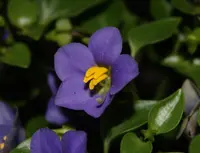
Southern raintree, Brunfelsia australis, is a small evergreen shrub or compact tree valued for its fragrant, tubular flowers that often change color as they age. It usually has dense, glossy foliage and a rounded crown, making it suitable for ornamental planting in gardens or large containers.

This species is native to parts of South America, especially Brazil and Argentina, where it grows in warm, moderately humid climates. In cultivation it prefers bright light, regular moisture, and well-drained, fertile soil.

Gardeners who want to care for southern raintree should note that it grows best in frost-free conditions and can be moderately demanding, mainly due to its sensitivity to cold and inconsistent watering.

Main Plant Requirements

Care Difficulty

Moderate Care

Light Preference

Partial Shade

Water Requirements

Regular Water

Temperature Preference

Tropical / Frost Sensitive

Hardiness Zone

10–11

Soil Texture

Loamy, Sandy, Organic-rich

Soil pH

Acidic (5.5–6.5), Slightly acidic (6.5–7.0)

Soil Drainage

Moist but well-drained

Fertilization

Light (every 4–6 weeks)

Get Personalized Care Plan

Scan your plant to receive care tips personalized for your specific plant

Available on iOS and Android

How to Care for the southern raintree

Brunfelsia australis prefers bright, gentle light to support flowering without leaf scorch.

  • Provide 4–6 hours of morning sun with light afternoon shade; an east or southeast exposure works well for southern raintree in most climates.
  • Tolerates partial shade, but flowering drops in less than 3–4 hours of direct or filtered sun; dense shade leads to leggy, weak growth.
  • In hot summers, protect from harsh sun 12–4 p.m. using overhead branches or shade cloth, especially in late spring and summer.

This shrub prefers evenly moist, well-drained soil and reacts quickly to both drought and waterlogging.

  • Water when the top 3–5 cm of soil feels dry; soil should feel cool and crumbly, not soggy, before watering again.
  • Increase watering in late spring and summer during active growth and flowering; reduce in fall and winter, but do not allow soil to become dust-dry.
  • Watch leaves: wilting, curling, and dry edges suggest underwatering; yellowing leaves, soft stems, and a sour smell suggest overwatering or poor drainage.

This species favors mild, frost-free conditions with only moderate heat.

  • Aim for 65–80°F (18–27°C) for best growth and flowering, with slightly cooler nights improving bud set.
  • Short drops to about 40°F (4–5°C) may be tolerated, but repeated exposure near this level stresses the plant and reduces vigor.
  • Protect from frost and freezing below 32°F (0°C), and in heat above 90°F (32°C) provide shade and consistent soil moisture to limit stress.

This species benefits from moderately high, stable humidity to keep foliage and flowers healthy.

  • Aim for 50–60% humidity, as very dry indoor air below 40% can slow growth and shorten bloom life.
  • Dry, crispy leaf edges or buds that drop before opening often indicate humidity stress rather than underwatering.
  • Increase humidity by grouping plants, placing the pot on a pebble tray with water below the pot base, or running a small nearby humidifier for southern raintree.

This shrub prefers a loose, moist, well-drained mix that stays slightly acidic.

  • Use a loamy structure: roughly 50% peat or coco coir, 30% composted organic matter, and 20% perlite or coarse sand for drainage.
  • Keep pH around 5.5–6.5; avoid alkaline mixes that cause yellowing leaves from reduced nutrient availability.
  • Improve aeration by adding chunky pine bark or extra perlite if the mix feels dense or dries unevenly after watering.
  • Avoid heavy clay-based soils, compacted mixes, or containers that stay waterlogged, as roots are sensitive to low oxygen and rot.

This species suits container growing, especially where winters are cool or space is limited.

  • Choose a pot just 2–4 in wider than the root mass so the mix does not stay wet for long periods after watering.
  • Use a stable, heavier container material if the plant is top-heavy in bloom, to prevent tipping in wind or on balconies.
  • Ensure the pot has large, unobstructed drainage holes and elevate it slightly so excess water escapes quickly rather than pooling under the base.

Brunfelsia australis benefits from moderate feeding to support steady growth and flowering.

  • Use a balanced, slow-release fertilizer (for example 10-10-10) or well-rotted compost mixed into the topsoil in early spring.
  • Feed every 6–8 weeks during the growing season, following label rates at about 1/2 strength for container plants.
  • Stop or greatly reduce feeding in late fall and winter when growth slows.
  • Water before and after applying fertilizer to limit root burn and improve nutrient uptake when caring for southern raintree.

Pruning helps Brunfelsia australis maintain a compact shape and encourage better flowering.

  • Time main pruning for late winter or just after the main flowering flush has finished.
  • Use clean, sharp hand pruners to remove dead, diseased, or storm-damaged wood back to healthy tissue.
  • Thin crowded interior branches to improve light and air flow, which supports healthier foliage and blooms.
  • Lightly shorten overly long shoots to maintain a balanced outline without cutting back into very old, bare wood.

Transplanting or repotting this shrub is done mainly to relieve root congestion and improve soil conditions.

  • Look for roots circling the pot, pushing through drainage holes, or slowed growth as cues to move Brunfelsia australis.
  • Plan repotting or garden transplanting for early spring, before strong new growth starts, about every 2–3 years in containers.
  • Shift to a slightly larger pot with free-draining, rich soil, setting the root ball at the same depth as before.
  • Water thoroughly after moving, keep out of harsh sun for 7–10 days, and maintain even moisture to reduce transplant shock.

Brunfelsia australis is most commonly propagated from semi-hardwood cuttings rather than seed.

  • Take 8–12 cm semi-hardwood tip cuttings in late spring or summer from non-flowering shoots.
  • Remove lower leaves, dip the base in rooting hormone, and insert into a moist, free-draining mix such as 50% perlite and 50% peat or coco coir.
  • Maintain warm conditions around 70–75°F, high humidity, and bright, indirect light until roots form.
  • Sow seeds in spring in a similar light, moist medium, noting that germination and flowering from seed are slower.

This species prefers mild winters and can suffer in prolonged or severe frost.

  • In regions colder than USDA zone 9, grow southern raintree in containers and overwinter indoors in a bright, cool room.
  • Mulch the root zone with 5–8 cm of organic material in late fall to buffer soil temperature.
  • For in-ground plants in marginal climates, wrap young shrubs with frost cloth during forecast freezes.

Care Tips

Use slightly acidic mulch

Apply a thin layer (1–2 in) of fine bark or pine needle mulch over the root zone, keeping it a few cm away from the stem, to stabilize moisture and maintain the slightly acidic conditions this species prefers.


Protect roots from heat

In hot climates, shade the root zone with low groundcovers or decorative stones so the soil stays cooler than the surrounding air, which reduces stress during summer flowering.

Encourage compact branching

Pinch or lightly tip-prune soft new shoots right after a flowering flush to encourage dense side-branching and more flower clusters instead of tall, sparse growth.

Monitor for chlorosis early

Check young leaves regularly for pale yellowing between green veins and, if seen, apply a chelated iron product labeled for ornamental shrubs to prevent chronic nutrient imbalance in Brunfelsia australis care.

Plan safe placement

Site the plant away from areas accessible to pets or small children and place any container-grown specimen on a stable, elevated stand to minimize the risk of ingestion of toxic plant parts.

Common Pests and Diseases

Brunfelsia toxicity scorch

Symptoms include sudden leaf yellowing, browning of margins, and dieback following pet chewing, pruning injuries, or sap exposure, because the plant’s own toxic alkaloids irritate damaged tissue. This issue is often seen where pets regularly chew leaves or stems.

Solution

Remove and discard all damaged leaves and stems, then make clean pruning cuts back to healthy tissue and disinfect pruners with 70% alcohol. Reduce stress by keeping soil evenly moist, avoiding high-salt fertilizers, and preventing further chewing or wounding, which supports overall Brunfelsia australis care.

Brunfelsia leaf spot

This disease causes brown or purplish spotting on leaves, often with yellow halos, that can merge into larger dead patches under humid, shaded conditions. This problem is more frequent in plants with poor air circulation or foliage that stays wet for long periods.

Solution

Prune out and discard affected leaves, then thin interior branches to improve airflow around the canopy. Water at soil level in the morning, keep foliage dry, and if spotting continues, use a copper- or chlorothalonil-based fungicide labeled for ornamental shrubs, applied according to label directions.

Brunfelsia bud drop

Symptoms include healthy-looking plants that form many flower buds which then yellow, shrivel, and fall before opening, often triggered by temperature swings, low humidity, or irregular watering. This issue is especially common when the plant is moved, repotted, or kept in containers.

Solution

Maintain stable conditions with consistent moisture, avoiding both drought and waterlogging, and keep the plant in bright, indirect light with minimal temperature fluctuation. Increase humidity to 40–60% with a nearby tray of water and stones or a humidifier, and avoid moving or repotting the plant while buds are forming and swelling.

Brunfelsia mosaic-like virus

This disease causes mottled, streaked, or mosaic-patterned leaves with distorted new growth and reduced flowering over time. Symptoms often remain localized to certain branches and do not improve with changes in watering or fertilizer.

Solution

Prune out and destroy affected shoots, sterilizing tools between cuts with 70% alcohol to reduce spread through sap. Because viral infections cannot be cured, severely affected plants should be removed; control sap-sucking insects like aphids and whiteflies and avoid sharing cuttings from symptomatic plants to prevent transmission.

Brunfelsia whitefly

This pest produces small white, moth-like insects that flutter up from foliage when disturbed, along with sticky honeydew and black sooty mold on leaves. Infestations reduce vigor and flowering and are more common on plants grown in warm, sheltered spots or indoors.

Solution

Regularly hose down the undersides of leaves to dislodge adults and nymphs, then apply insecticidal soap or neem oil to the lower leaf surfaces every 7–10 days until populations decline. Remove heavily infested leaves, improve airflow, and for indoor plants consider adding yellow sticky traps near the canopy to monitor and reduce adult numbers.

Interesting Facts

Color-changing blossoms

The flowers open deep violet, then fade through lavender to almost white over 2–3 days, so a single shrub often shows three distinct colors at once during peak bloom.

Night-scented pollination

Its fragrance becomes stronger in the evening and early night, an adaptation that helps attract nocturnal moths and other night-active pollinators in its native South American range.

Seasonally repeated flowering

In mild climates this species often produces several flushes of blooms from spring into early autumn, rather than a single short flowering period, making it a long-season ornamental shrub.

Botan icon

Did you know?

Brunfelsia australis is one of the more cold-tolerant members of its genus, surviving brief drops close to freezing, which has allowed it to be grown outdoors in warm-temperate regions where many related species cannot persist.

FAQs about southern raintree

Lack of flowers often comes from insufficient light, too much nitrogen fertilizer, or heavy pruning at the wrong time, which removes flower buds. Cool spells, root stress, or a young plant still establishing can also delay blooming.

Grow Healthy Plants with Botan Care

Keep your plants happy and healthy with plant identification, disease detection, and easy care guidance.

Botan plant care app — identify plants on mobile

Explore More Plants