Rubus nemoralis Care

Rubus nemoralis

About Rubus nemoralis

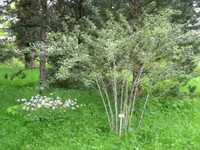
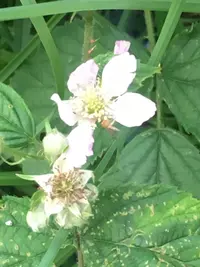
Rubus nemoralis is a wild bramble species in the rose family, related to common blackberries. It typically forms arching, sometimes scrambling shrubs with slender, often prickly stems. Leaves are usually divided into several toothed leaflets, giving the plant a light, textured look.

This species is native to parts of Europe and tends to grow in woodland edges, hedgerows, and other semi-shaded habitats. It is generally hardy and resilient but can spread where conditions are suitable, which affects how easy it is to manage. To care for Rubus nemoralis, provide sun to light shade, moderately moist soil, and some space for its canes to develop.

Main Plant Requirements

Care Difficulty

Easy Care

Light Preference

Partial Sun

Water Requirements

Moderate Water

Temperature Preference

Cold Hardy

Hardiness Zone

5–8

Soil Texture

Sandy, Loamy, Rocky

Soil pH

Acidic (5.5–6.5), Slightly acidic (6.5–7.0)

Soil Drainage

Moist but well-drained

Fertilization

Minimal (feed rarely)

Get Personalized Care Plan

Scan your plant to receive care tips personalized for your specific plant

Available on iOS and Android

How to Care for the Rubus nemoralis

This bramble prefers bright outdoor conditions with a balance of sun and partial shade.

  • Provide 4–6 hours of direct sun daily, ideally with morning sun and light afternoon shade to reduce leaf scorch in hot climates.
  • Allow partial shade, especially under open-canopy trees, since Rubus nemoralis can still fruit in dappled or filtered light, though heavy shade reduces flowering.
  • In summer, monitor for pale, scorched leaves as a sign of excessive sun, and in dense shade watch for weak, elongated canes and poor fruit set.

This species prefers consistently moist but not waterlogged soil, especially during active growth.

  • Before watering, check that the top 3–5 cm of soil have begun to dry, then water deeply so moisture reaches the root zone rather than just the surface.
  • Use well-drained, loamy soil or raised beds to prevent standing water, since soggy conditions promote root rot and weak, yellowing canes.
  • In hot, dry periods, increase watering frequency if leaves wilt by midday and the soil feels dry; reduce input in cool, rainy seasons to avoid saturation.

This hardy bramble tolerates a wide outdoor temperature range typical of temperate climates.

  • Active growth and flowering are strongest at 60–75°F (16–24°C), with good cane development and fruit set in mild spring and early summer conditions.
  • Dormant plants usually withstand winter lows down to about 0°F (-18°C) once established, though young canes benefit from mulch protection in colder regions.
  • In heat above 85–90°F (29–32°C), expect some stress; provide mulch and soil moisture to protect roots, and note that extreme cold below local norms can damage new shoots.

This bramble tolerates a wide humidity range and usually does not need special humidity management outdoors.

  • Optimal humidity is around 40–70%, which is typical for most outdoor garden conditions.
  • Plants handle short dry spells but prolonged very dry air with heat can cause leaf edge browning and reduced vigor.
  • If grown in a sheltered, very dry microclimate, increase humidity slightly by mulching the soil and avoiding hot reflective surfaces nearby.

Rubus nemoralis prefers moderately moist, well-drained, humus-rich soil that does not stay waterlogged.

  • Use a loamy soil with plenty of organic matter, such as garden loam mixed with compost, to support root development.
  • Aim for slightly acidic to neutral pH, roughly 6.0–7.0, to keep nutrients available and growth steady.
  • Improve drainage and aeration by incorporating coarse sand or fine grit where soil is dense or tends to compact.
  • Avoid heavy clay that holds standing water, as well as very shallow, stony spots where roots dry out quickly.

This species can be grown in containers, but the pot must support its vigorous, spreading root system and shoots.

  • Choose a deep, wide container to allow lateral root spread and to prevent the plant from becoming quickly root-bound and stressed.
  • Use a heavy or weighted pot if placed in windy spots so arching or climbing canes do not tip the container over.
  • Select a potting mix that drains freely yet retains some moisture, and ensure drainage holes stay clear so water never pools at the base.

This woodland bramble usually grows well in ordinary soil but benefits from light feeding on poor sites.

  • Apply a thin layer of garden compost or well-rotted manure around the root zone in early spring.
  • Where growth is weak, use a balanced NPK granular or slow-release fertilizer at 1/2 label rate.
  • Feed once in spring and, if needed, once in mid-summer during active growth.
  • Do not fertilize Rubus nemoralis in late fall or winter to avoid soft, frost-prone shoots.

Pruning helps maintain structure, control spread, and support flowering and fruiting on this vigorous bramble.

  • Carry out main pruning in late winter or very early spring before new growth starts.
  • Remove dead, diseased, or damaged canes at ground level using clean, sharp bypass pruners.
  • Thin crowded canes, leaving the strongest stems spaced to improve light and air movement.
  • Shorten overly long or arching stems to manage size and guide Rubus nemoralis within its allotted space.

This species is typically grown in the ground, so focus on careful transplanting rather than frequent repotting.

  • Transplant young plants in early spring or early fall when soil is moist and temperatures are mild.
  • Choose a site with well-drained soil, then plant at the same depth as before, spreading roots gently to reduce circling.
  • Water thoroughly after planting and keep soil evenly moist, not waterlogged, for the first 2–4 weeks.
  • Container-grown plants that show roots circling or slow growth are best moved into a slightly larger pot or out into the garden.

Rubus nemoralis is commonly propagated to expand thickets or restore woodland hedges.

  • Use tip layering in late summer by pegging a flexible shoot into moist soil until it roots, then sever from the parent.
  • Take semi-ripe cuttings in mid to late summer, place in a free-draining medium, and maintain high humidity.
  • Divide young clumps in early spring or fall, keeping substantial root and shoot sections together.
  • Sow fresh seed outdoors in fall; natural winter chilling supports germination the following spring.

This bramble is generally cold hardy in temperate climates and needs little winter intervention in the ground.

  • In colder regions, apply a 5–8 cm layer of organic mulch around the root zone to moderate soil temperature.
  • Avoid heavy pruning in late fall; leave canes until late winter so cold-damaged tips are easy to identify.
  • Move container-grown plants to a sheltered, unheated spot, keeping soil barely moist to prevent root desiccation.

Care Tips

Install sturdy support

Provide a strong wire, trellis, or post-and-rail system before canes reach full length so new growth can be tied in loosely and kept upright for better airflow and easier harvest.

Rotate fruiting canes

Mark first-year canes with colored ties and remove only the marked second-year, post-fruiting canes each winter to maintain a steady cycle of productive, younger growth.

Mulch for root zone

Apply a 5–8 cm layer of coarse organic mulch around but not against the crowns to stabilize soil moisture, keep roots cooler, and reduce weed competition without increasing stem rot risk.

Targeted pest monitoring

Inspect canes and undersides of leaves every 1–2 weeks during active growth for aphids, cane borers, and fungal spots, and remove or prune out localized infestations early to limit spread when growing Rubus nemoralis.

Manage cane spread

Check the surrounding soil several times per season for suckers and unwanted runners, and either dig and pot healthy offsets or remove them promptly to keep the planting contained and productive.

Common Pests and Diseases

Raspberry beetle

This pest targets flower buds and young fruits, causing dry, misshapen berries with brownish tunnels inside. Symptoms include small grubs in the fruit and premature fruit drop.

Solution

Monitor flower clusters from spring and remove or destroy badly affected fruiting canes after harvest. Encourage natural predators, shake beetles from canes onto a sheet for manual removal, and in severe cases use a targeted fruit and cane-safe insecticide timed to the green bud to early flowering stage, following label directions.

Cane blight

This disease causes dark, sunken lesions on canes, often just above old wounds, leading to wilting and dieback of side shoots. Symptoms include brittle, brown tissue under the bark and poor fruiting on affected canes.

Solution

Cut out and dispose of infected canes to ground level during dry weather and avoid leaving stubs when pruning. Improve airflow by proper spacing, avoid overhead watering, and disinfect pruning tools between plants to reduce spread, using fungicides only if problems remain severe and recurrent.

Botrytis fruit rot

This disease develops in cool, damp weather, leading to soft, water-soaked berries that quickly become covered with gray, fuzzy mold. Symptoms include berries collapsing on the cane and mummified fruit remaining attached.

Solution

Harvest fruit frequently, remove overripe or moldy berries, and keep the canopy open with careful pruning to improve air movement. Water at soil level, avoid wetting the foliage and fruit, and use a labeled fungicide preventively in high-pressure, wet seasons if cultural steps are not sufficient.

Raspberry leaf spot

This disease causes small, round, pale spots on leaves that may turn gray or tan with dark borders, leading to early leaf drop in severe cases. Symptoms include thin, weakened canes and reduced fruit production over time.

Solution

Remove and dispose of heavily spotted leaves and fallen debris to lower the source of spores. Provide good spacing, avoid overhead irrigation, and if needed apply a suitable fungicide early in the season when new leaves are expanding, especially in regions with wet springs.

Aphids

These insects feed on young shoots and leaf undersides, causing curling, distortion, and sticky honeydew that can lead to sooty mold. This pest also acts as a vector for virus diseases that weaken plants over time.

Solution

Spray colonies off with a strong stream of water and pinch out heavily infested shoot tips. Encourage beneficial insects, avoid high nitrogen fertilization that promotes soft growth, and apply insecticidal soap or horticultural oil to leaf undersides when populations build up, repeating as needed according to label instructions.

Interesting Facts

Woodland edge specialist

Rubus nemoralis is typically found along semi-shaded woodland edges and hedgerows in parts of Europe, where it prefers light, base-rich soils and a moderately humid microclimate.

Distinctive leaf hair pattern

The species is identified in the field by its softly hairy leaf undersides, with a characteristic pattern and density of hairs that help separate it from closely related Rubus species in the same habitat.

Complex hybrid origin

Like many European brambles, Rubus nemoralis belongs to a taxonomically complex group, and its morphology reflects past hybridization events, which makes reliable identification dependent on detailed floral and fruit characters rather than foliage alone.

FAQs about Rubus nemoralis

This species spreads by suckering and arching stems that root where they touch soil. In suitable conditions it can form thickets, so root barriers, regular pruning, and careful placement away from small beds or paths are recommended.

Grow Healthy Plants with Botan Care

Keep your plants happy and healthy with plant identification, disease detection, and easy care guidance.

Botan plant care app — identify plants on mobile

Explore More Plants