gray dogwood Care (Cornus racemosa)

Also known as: Northern Swamp Dogwood, panicled dogwood, red-panicled dogwood
gray dogwood

About gray dogwood

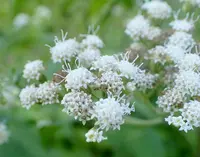
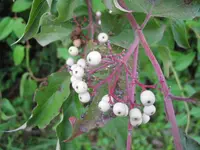
Gray dogwood (Cornus racemosa) is a deciduous shrub native to eastern and central North America, commonly found along woodland edges, thickets, and stream banks. It forms dense, multi-stemmed clumps with grayish bark, opposite leaves, and clusters of small white flowers followed by white berries on red stalks.

The plant is valued for erosion control, wildlife cover, and its tolerance of urban conditions. It adapts to a wide range of soils and moisture levels, which makes it relatively easy to establish.

Gray dogwood prefers full sun to light shade and moderately moist, well-drained soil, though it is quite forgiving once established. These traits simplify how to care for gray dogwood in typical garden settings.

Main Plant Requirements

Care Difficulty

Easy Care

Light Preference

Full Sun

Water Requirements

Moderate Water

Temperature Preference

Cold Hardy

Hardiness Zone

3–8

Soil Texture

Sandy, Loamy, Clay

Soil pH

Acidic (5.5–6.5), Slightly acidic (6.5–7.0)

Soil Drainage

Moist but well-drained

Fertilization

Minimal (feed rarely)

Get Personalized Care Plan

Scan your plant to receive care tips personalized for your specific plant

Available on iOS and Android

How to Care for the gray dogwood

Cornus racemosa grows best in sites with ample light but tolerates some shade.

  • Provide 4–6 hours of direct morning sun with light or dappled shade in the afternoon, especially in hotter regions.
  • Tolerates partial shade (2–4 hours sun) but dense shade reduces flowering and weakens gray dogwood stems over time.
  • In hot summers, protect from intense sun between 1–4 p.m. to limit leaf scorch; in cooler climates, full sun all day is suitable.

Cornus racemosa prefers evenly moist, well-drained soil, especially while establishing.

  • Allow the top 3–5 cm of soil to dry slightly, then water deeply so moisture penetrates 15–20 cm into the root zone.
  • Increase watering during hot, dry periods when leaves begin to droop slightly, and reduce frequency in cool, rainy seasons.
  • Ensure soil drains freely; persistent soggy soil, yellowing leaves, or dieback suggest overwatering, while crisp leaf edges and early leaf drop indicate drought stress.

This hardy shrub tolerates a wide temperature range once established.

  • During active growth, ideal temperatures are around 60–80°F (16–27°C), typical of spring through early fall in many temperate regions.
  • Dormant plants tolerate winter lows near -30°F (-34°C) in the ground, provided soil drains well and roots are not waterlogged.
  • Mature shrubs handle short heat waves up to about 90–95°F (32–35°C) if soil moisture is maintained; prolonged extreme heat with drought can cause leaf scorch and stress.

Humidity is rarely a limiting factor for Cornus racemosa outdoors.

  • Performs best in ambient outdoor humidity around 30–70%, typical of most temperate regions.
  • Tolerates relatively dry air without damage, so gray dogwood usually does not need humidity modification.
  • Watch for marginal leaf browning or tip dieback in prolonged hot, very dry, windy conditions, and use mulch to moderate moisture loss.

Cornus racemosa prefers moderately moist, well-drained, loamy soil with steady structure.

  • Aim for a loam or sandy loam with noticeable organic matter so roots stay moist yet oxygenated.
  • Target a slightly acidic to neutral pH around 6.0–7.0, avoiding highly alkaline or strongly acidic sites.
  • In planting beds, mix in compost and some coarse sand or fine gravel to improve drainage and aeration on heavier soils.
  • Avoid compacted clay, standing water, or highly disturbed fill; raised beds help where natural drainage is weak.

This shrub can be grown in large outdoor containers, but it is better suited to in-ground planting long term.

  • Choose a heavy, wide container to counterbalance spreading top growth and reduce tipping in wind.
  • Use a deep pot that allows a broad root zone, leaving a clear soil margin below the rim for efficient watering.
  • Select a potting mix that drains faster than garden soil yet still holds moisture, and shield the container from extreme heat on sun-exposed hardscape surfaces.

Cornus racemosa grows well in average soil, so light feeding is usually enough.

  • Apply a thin layer of compost or well-rotted manure around the root zone once each spring to support steady growth.
  • In poorer soils, use a balanced slow-release fertilizer (around 10-10-10) at label rates in early spring.
  • Avoid high-nitrogen lawn fertilizers near gray dogwood, which can cause soft, weak growth.
  • Do not feed in late fall or winter, when the shrub is dormant, to prevent tender out-of-season growth.

Pruning helps Cornus racemosa maintain a healthy, open structure and good flowering.

  • Prune in late winter or very early spring before new growth starts, when branch structure is easy to see.
  • Remove dead, diseased, crossing, or storm-damaged branches first using clean, sharp bypass pruners or loppers.
  • Thin crowded stems at the base to improve air flow and light, encouraging strong new shoots from the crown.
  • Renew older shrubs by cutting a portion of the oldest stems to ground level every 2–3 years to maintain vigor.

This shrub is usually grown in the ground, so care focuses on transplanting rather than frequent repotting.

  • Transplant young plants in early spring or early fall, when temperatures are mild and soil is moist but not waterlogged.
  • Move container-grown plants when roots circle the pot or growth slows, typically every 2–3 years for nursery stock.
  • Dig a wide planting hole, keep the root flare level with the soil surface, and backfill with native soil rather than rich mixes.
  • Water thoroughly after planting, then keep soil evenly moist for the first season to reduce transplant shock and support root establishment.

Cornus racemosa is commonly propagated by cuttings, seeds, and natural layering.

  • Take semi-hardwood cuttings in midsummer, 10–15 cm long, and root them in a moist, well-drained mix under high humidity.
  • Sow cleaned seeds outdoors in fall so natural winter cold provides stratification, which breaks dormancy.
  • Encourage layering by bending a low, flexible stem to the ground, wounding lightly, and pinning it under soil until rooted.
  • Lift and separate rooted layers or well-rooted cuttings after 1 season, then transplant to a nursery bed with consistent moisture.

This species is cold hardy across much of the northern US and usually needs minimal winter care.

  • Mulch the root zone with 5–8 cm of bark or leaf mold in late fall to moderate soil temperature and moisture.
  • In very exposed sites, use windbreaks or shrub shelters to limit desiccating winter winds on young plants.
  • Container-grown shrubs benefit from moving pots into an unheated garage or against a sheltered wall to reduce root freeze–thaw cycles.

Care Tips

Sucker Management

Allow a limited number of basal suckers to develop each year to form a full thicket, but remove extras at ground level with clean, sharp pruners to keep paths, sightlines, and nearby plantings clear.

Wildlife Buffer Strip

Plant gray dogwood in a staggered row 90–150 cm apart and leave an unmown grass or wildflower strip in front of it to create a stable wildlife corridor and reduce mower and string‑trimmer damage to stems.

Salt and Spray Protection

Where road salt or de‑icing products are used, set shrubs at least 1.5–2.5 m back from pavement and use a low, breathable barrier of burlap or snow fencing in winter to reduce salt spray injury to buds and young twigs.

Renewal Thicket Cycling

Every 3–5 years, cut 20–30% of the oldest, thickest stems to 5–10 cm above the ground in late winter so younger, more vigorous shoots can replace them and maintain an even, dense screen.

Targeted Wildlife Support

For supporting birds while still controlling spread when growing gray dogwood, leave fruiting clusters on interior stems for overwintering wildlife but deadhead or remove suckers along edges where you want to prevent unwanted colonization.

Common Pests and Diseases

Dogwood borer

This pest tunnels into stems and trunks, causing wilted shoots, dieback, and rough or cracked bark around entry holes.

Solution

Prune and destroy infested stems back to healthy wood and maintain tree vigor with proper watering and mulching to reduce susceptibility. Avoid trunk wounds, use tree guards on young plants, and, in high-risk areas, consider a targeted trunk spray with an appropriate insecticide timed to adult moth activity according to local extension guidance.

Dogwood sawfly larvae

These insects skeletonize leaves, often leaving only veins, and can defoliate young gray dogwood shrubs in midsummer.

Solution

Handpick larvae from reachable branches and drop them into soapy water, and prune out heavily infested twigs. For larger populations, use a targeted treatment such as a labeled spinosad or Bacillus thuringiensis (Bt) product applied to foliage when young larvae first appear.

Leaf spot

This disease causes small tan, brown, or purplish spots on leaves that may merge into larger blotches, sometimes leading to early leaf drop in humid weather.

Solution

Rake and discard fallen leaves, thin dense stems to improve air movement, and avoid overhead watering that keeps foliage wet. In landscapes with repeated severe outbreaks, apply a registered fungicide labeled for dogwood leaf spots at bud break and repeat as directed during prolonged wet periods.

Dogwood anthracnose

This disease produces irregular tan to brown leaf blotches with darker borders, starting on lower branches and moving upward, and can cause twig dieback in cool, wet seasons.

Solution

Prune out and destroy infected twigs and branches, disinfecting tools between cuts, and promote good airflow by spacing and thinning plants. Avoid heavy shade and prolonged leaf wetness, and in areas with a known history of anthracnose, follow Cornus racemosa care instructions that include preventive fungicide sprays early in the season if recommended by local extension services.

Powdery mildew

Symptoms include a white, powdery film on upper leaf surfaces, often leading to leaf curling, distortion, and reduced vigor, especially in shaded, humid sites.

Solution

Increase sunlight and airflow by selective pruning, avoid excessive nitrogen fertilization, and water at the soil level rather than over foliage. If needed, apply a labeled fungicide for powdery mildew at the first sign of symptoms and repeat as indicated on the product label during high-pressure periods.

Interesting Facts

Thicket-forming shrub

This species spreads by suckers and naturally forms dense thickets that provide cover and nesting habitat for many shrubland birds, including gray catbirds and brown thrashers.

White fruit, red stems

It develops porcelain-white drupes in late summer on bright red to pinkish fruit stalks, creating a high-contrast display that is distinctive among North American dogwoods and highly visible to migrating birds.

High wildlife value

Its fruit is an important late-summer and fall food for many bird species, while numerous native moth and butterfly larvae feed on its foliage, making it a key structural and food plant in early-successional habitats.

Botan icon

Did you know?

Cornus racemosa is notably tolerant of road salt, compacted urban soils, and periodic flooding, which allows it to colonize disturbed sites such as roadside rights-of-way and old fields where more sensitive dogwood species struggle to survive.

FAQs about gray dogwood

Limited flowering often comes from too much shade, heavy pruning of older stems, or nutrient imbalance. Ensure full sun to light shade, avoid cutting all mature wood, and keep soil moderately fertile without excessive high-nitrogen fertilizer.

Grow Healthy Plants with Botan Care

Keep your plants happy and healthy with plant identification, disease detection, and easy care guidance.


Botan plant care app — identify plants on mobile

Explore More Plants