Rubus nemorosus Care

Rubus nemorosus

About Rubus nemorosus

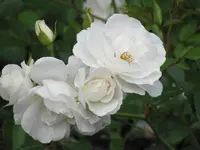
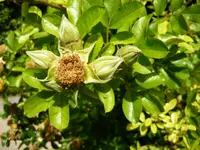
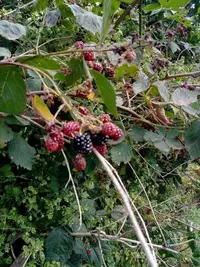
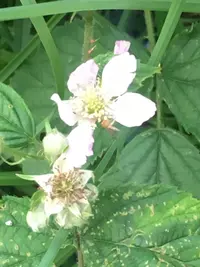
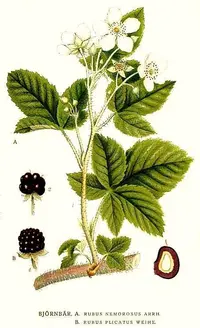
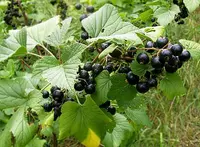
Rubus nemorosus is a wild bramble species in the rose family, related to raspberries and blackberries. It forms arching, often thorny canes with divided green leaves. Flowers are usually white to pale pink, followed by small aggregate fruits that resemble delicate blackberries. It tends to grow in woodland edges, hedgerows, and shaded banks across parts of Europe. This species prefers moist, well-drained soils and partial shade, reflecting its natural woodland habitat. Once established, it can spread and form thickets, so site selection and basic pruning are important parts of how to care for Rubus nemorosus.

Main Plant Requirements

Care Difficulty

Moderate Care

Light Preference

Partial Shade

Water Requirements

Moderate Water

Temperature Preference

Cold Hardy

Hardiness Zone

5–8

Soil Texture

Loamy, Sandy, Organic-rich

Soil pH

Acidic (5.5–6.5), Slightly acidic (6.5–7.0)

Soil Drainage

Moist but well-drained

Fertilization

Minimal (feed rarely)

Get Personalized Care Plan

Scan your plant to receive care tips personalized for your specific plant

Available on iOS and Android

How to Care for the Rubus nemorosus

This woodland bramble prefers bright conditions without intense, prolonged afternoon exposure.

  • Provide 4–6 hours of sun daily, ideally morning or early evening sun with light shade during the hottest midday period.
  • Tolerates partial shade, especially in summer; dappled or filtered light under taller shrubs or trees mimics natural conditions for Rubus nemorosus.
  • In very strong sun, leaves may scorch or yellow, while too much shade leads to weak, elongated canes and poor flowering and fruiting; adjust site seasonally if nearby trees leaf out heavily.

This species prefers consistently moist, well-drained soil rather than alternating drought and saturation.

  • Water when the top 3–5 cm of soil feels dry, aiming for evenly moist soil that never stays waterlogged, especially during active spring and summer growth.
  • Increase watering during hot, dry spells and reduce in cool, wet seasons, allowing more drying between waterings in late fall and winter dormancy.
  • Signs of overwatering include soft, yellowing leaves and stems, while dry, curling leaves and slow growth indicate insufficient moisture and often poor soil structure or drainage.

This hardy bramble tolerates a wide range of outdoor temperatures when established.

  • Optimal growth occurs around 60–75°F (16–24°C), with vigorous shoot and root development in mild spring and early summer conditions.
  • Mature plants withstand winter lows near 0°F (-18°C) when roots are insulated by soil and mulch, though young shoots and buds are more vulnerable.
  • Short heat waves up to about 90°F (32°C) are tolerated if soil moisture is maintained, but prolonged extreme heat or hard late frosts can damage flowers and reduce fruit set.

This species is adaptable and humidity is usually not a limiting factor outdoors in its normal range.

Rubus nemorosus prefers moist, well-aerated, moderately fertile loam that does not stay waterlogged.

  • Use a loamy soil rich in organic matter, such as garden loam mixed with 30–40% well-rotted compost or leaf mold.
  • Ensure drainage by avoiding compacted sites and by loosening the top 20–30 cm before planting to improve pore space for roots.
  • Aim for slightly acidic to neutral pH around 6.0–7.0; avoid strongly alkaline or saline soils that reduce nutrient availability.
  • On heavier clay, incorporate coarse sand or fine grit plus compost to reduce waterlogging and improve aeration.

This species can be grown in containers, but only if the container is large and stable enough for its spreading root system.

  • Choose a deep, heavy pot (not a narrow, top-heavy one) to prevent tipping as canes lengthen and catch wind.
  • Use a free-draining mix, such as 60–70% loam-based compost with added grit or bark, to avoid prolonged saturation near the crown.
  • Place the container where runoff can drain freely, since frequent watering of a vigorous bramble can release significant leachate from the drainage holes.

This woodland bramble usually grows well in average soil, but light feeding can support healthier growth in lean sites.

  • Use a balanced NPK granular fertilizer or well-rotted compost in early spring, worked lightly into the topsoil.
  • Feed once in spring and again in mid-summer if growth is weak or soil is poor, avoiding over-application.
  • Apply fertilizer at half the package-recommended strength around, not against, the stems, then water in thoroughly.
  • Stop feeding Rubus nemorosus by late summer so new growth can harden before winter dormancy.

Thoughtful pruning keeps this scrambling shrub manageable and encourages vigorous, healthy canes.

  • Prune in late winter or very early spring before new growth starts, when canes are easy to assess.
  • Remove dead, diseased, or damaged stems first, cutting back to healthy tissue with clean, sharp bypass pruners.
  • Thin crowded canes at the base to improve airflow and light, which supports better foliage and flowering.
  • Shorten overly long or arching stems to shape the plant and keep Rubus nemorosus within its allotted space.

This species is typically grown in the ground, so care focuses on transplanting rather than frequent repotting.

  • Transplant in early spring or early fall when temperatures are mild and soil is moist but not waterlogged.
  • Look for signs such as dense, circling roots in containers, slow top growth, or plants outgrowing their space.
  • Prepare a wider planting hole with loosened soil, set the root ball at the same depth, and backfill firmly but gently.
  • Water thoroughly after planting, then maintain even moisture and apply a light mulch to limit stress on Rubus nemorosus roots.

This bramble responds well to several straightforward propagation methods in suitable outdoor conditions.

  • Use tip layering in spring or early summer by pegging a flexible cane tip into moist soil until roots form.
  • Take semi-ripe stem cuttings in mid-summer, place in a free-draining, moist substrate, and keep in bright shade.
  • Divide established clumps in early spring, ensuring each division carries healthy buds and a strong root portion.
  • Sow fresh seed outdoors in fall, allowing natural winter chilling to break dormancy and promote spring germination.

This hardy shrub tolerates typical temperate winters and usually needs only basic seasonal care.

  • In cold regions, apply a 5–8 cm organic mulch around the root zone in late fall, keeping it slightly away from stems.
  • Allow top growth to experience normal frost, then remove obviously dead or damaged canes in late winter.
  • For container plants, move pots to a sheltered, unheated area to limit root freezing and excessive wind exposure.

Care Tips

Cane training

Install horizontal wires or a sturdy trellis early and fan out the young canes along it to keep fruiting wood well-spaced, easy to harvest, and better ventilated.

Root sucker management

Check the surrounding soil 2–3 times per season and either dig out unwanted suckers with a spade or replant strong ones where new rows are desired to control spread and renew the planting.

Mulch for cane safety

Apply a 5–8 cm layer of organic mulch under the row to reduce weed competition and cushion low canes from soil splash that can spread fungal spores onto leaves and fruit.

Targeted pest scouting

From bud break through fruit set, inspect flower clusters and young stems weekly for aphids, cane borers, and discoloration, and prune out or spot-treat affected shoots before infestations build up.

Post-harvest sanitation

Right after the main fruiting period, remove and dispose of spent canes and any mummified berries so that caring for Rubus nemorosus the next season starts with a clean, disease-reduced planting.

Common Pests and Diseases

Raspberry beetle

This pest feeds on flower buds and young fruit, causing misshapen, dry berries with brownish tunnels and small white larvae inside. Damage often appears just before harvest and can significantly reduce usable fruit.

Solution

Collect and destroy affected fruit, and remove old fruiting canes after harvest to reduce overwintering sites. For heavier infestations, use fine insect mesh over plants at flowering, and where permitted apply a targeted pyrethrum or spinosad spray at early flowering, following label directions carefully.

Aphids

These insects cluster on shoot tips and the undersides of leaves, sucking sap and causing curled, sticky foliage and reduced vigor. Symptoms include distorted new growth and the presence of honeydew, which can lead to sooty mold on leaves and stems.

Solution

Spray colonies off with a strong stream of water and prune out heavily infested soft tips. If populations remain high, apply insecticidal soap or horticultural oil to cover the insects thoroughly, repeating as needed while encouraging natural enemies such as lady beetles.

Raspberry cane blight

This disease causes sunken, dark lesions on canes, often starting at pruning wounds or damaged tissue, and can lead to cane dieback from the point of infection upwards. Symptoms include wilting laterals and poor fruiting on affected shoots.

Solution

Prune out and remove infected canes promptly, cutting well below visible lesions, and avoid leaving stubs when pruning. Improve airflow by not overcrowding canes, avoid overhead watering, and disinfect pruning tools between plants; in areas with a history of cane blight, consider using registered fungicides on new growth after pruning if local guidelines support it as part of Rubus nemorosus care instructions.

Orange rust

This disease produces bright orange, powdery pustules on the undersides of leaves and may cause stunted, spindly shoots with narrow, pale foliage. Infected plants become progressively weaker and rarely produce a good crop.

Solution

Dig out and destroy entire infected plants, including roots, because this rust is systemic and cannot be cured once established. Maintain good spacing and air circulation, remove wild Rubus nearby that may host the fungus, and avoid working among plants when foliage is wet to reduce spread.

Verticillium wilt

This disease infects the vascular system, leading to sudden wilting and yellowing of leaves on one side of the cane or plant, often with brown streaks visible in cross-sections of stems. Symptoms include chronic decline, poor growth, and eventual death of canes or whole plants in infested soil.

Solution

Remove and destroy symptomatic plants including as much root material as possible, and avoid replanting Rubus or other susceptible crops in the same spot for several years. Improve drainage, add organic matter, and, if possible, plant in a new area or raised bed, choosing healthy nursery stock and avoiding planting near old tomato, potato, or eggplant beds that may harbor the pathogen.

Interesting Facts

European woodland bramble

Rubus nemorosus is a wild bramble of light to moderately shaded European woodlands and forest edges, often forming part of the shrub layer rather than open hedgerows. It tends to favor moderately moist, nutrient-rich soils under deciduous trees.

Taxonomically complex species

This species belongs to the very intricate Rubus fruticosus aggregate, a group where many microspecies occur and are difficult to distinguish, so R. nemorosus is usually identified reliably only by specialists using fine details of leaves, canes, and flower structure.

Ecological food resource

R. nemorosus provides nectar and pollen for insects and later soft fruits for birds and small mammals, supporting woodland food webs. Birds that feed on its fruits help disperse its seeds across suitable forest and edge habitats.

FAQs about Rubus nemorosus

This species spreads by arching canes and suckering roots, forming thickets over time. In favorable conditions it can become locally aggressive, so use root barriers, regular pruning, and removal of unwanted shoots to keep it contained.

Grow Healthy Plants with Botan Care

Keep your plants happy and healthy with plant identification, disease detection, and easy care guidance.

Botan plant care app — identify plants on mobile

Explore More Plants