Succession Cane Management
Tag each year’s new canes with a different color tie so you can easily remove only the oldest, least-productive wood at winter pruning and keep the bush young and high-yielding.

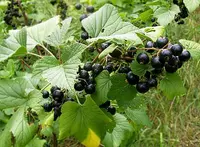
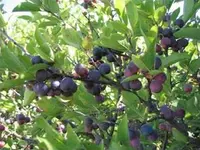
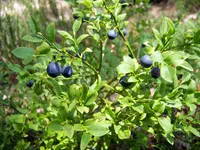
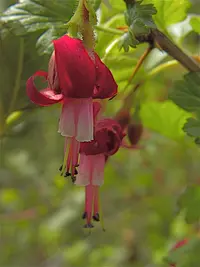
Black currant, Ribes nigrum, is a deciduous fruiting shrub grown for its aromatic, dark berries. It forms a compact, multi-stemmed bush with soft green leaves and clusters of small, pale flowers that develop into black berries.
This species is native to cooler regions of Europe and northern Asia and is widely cultivated in temperate climates. It is generally easy to grow if its basic needs are met.
The shrub prefers cool summers, consistent moisture, and fertile, well-drained soil. Understanding how to care for Black Currant starts with choosing a site with good light and shelter from hot, drying winds.

Care Difficulty
Moderate Care

Light Preference
Full Sun

Water Requirements
Regular Water

Temperature Preference
Cold Hardy

Hardiness Zone
3–8

Soil Texture
Loamy, Silty, Organic-rich

Soil pH
Acidic (5.5–6.5), Slightly acidic (6.5–7.0)

Soil Drainage
Moist but well-drained

Fertilization
Minimal (feed rarely)
Scan your plant to receive care tips personalized for your specific plant
Available on iOS and Android
Ribes nigrum fruits best in cool climates with stable, moderate light rather than intense heat.
Black Currant prefers consistently moist, cool soil without prolonged waterlogging.
This shrub is naturally cold-hardy but still benefits from specific temperature ranges for best growth and fruiting.
Ribes nigrum handles typical outdoor humidity well and rarely needs special humidity management.
Ribes nigrum prefers deep, moisture-retentive but well-drained loam with high organic content.
This species can be grown in containers if the pot is large and moisture management is controlled.
Ribes nigrum benefits from moderate feeding to support strong growth and fruiting.
Thoughtful pruning keeps Ribes nigrum productive and well-shaped.
Black Currant is usually grown in the ground, so focus on careful planting and occasional transplanting.
Ribes nigrum is commonly propagated from cuttings for consistent fruit quality.
Established blackcurrant bushes are quite cold hardy and need only minimal winter care in most climates.

Plant Health Check
Not sure what's wrong with your plant? Check your plant's health inside the app.
Black currant berries are notably rich in vitamin C, often containing several times more than many citrus fruits, which has made them historically important for preventing deficiency in cool, northern climates.
The leaves release a strong resinous scent when crushed due to glands that produce essential oils, and this aroma is characteristic enough that trained tasters can identify black currant flavor in very low concentrations.
This species is naturally adapted to cool-temperate regions, tolerating cold winters and requiring a period of winter chill to break bud dormancy and fruit reliably.

During World War II in the UK, black currant became a key source of vitamin C for children when citrus imports were limited, leading the government to actively promote and distribute black currant syrup and helping to popularize its use nationwide.
Yellowing leaves usually come from nutrient deficiency, water stress, or poor drainage. Check for waterlogged or very dry soil, then test soil nutrients. Nitrogen, magnesium, or iron shortages are common and corrected with balanced fertilizer or targeted supplements.
Keep your plants happy and healthy with plant identification, disease detection, and easy care guidance.