White Sally Wattle Care (Acacia floribunda)

Also known as: Weeping Acacia, Gossamer Wattle, Catkin Wattle
White Sally Wattle

About White Sally Wattle

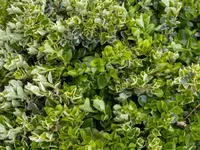
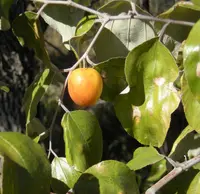
White Sally wattle (Acacia floribunda) is a fast-growing evergreen shrub or small tree from eastern Australia. It is often used as a screen, shelterbelt, or informal hedge. Slender, arching branches carry narrow, willow-like leaf structures and masses of pale cream, fluffy flower clusters that appear along the stems. In suitable conditions it forms a soft, cascading outline. In mild climates it can be grown in the ground; in cooler areas it is sometimes kept in large containers. It generally prefers full sun, well-drained soil, and moderate water. Once you understand how to care for White Sally Wattle, it is usually considered a relatively low-maintenance plant.

Main Plant Requirements

Care Difficulty

Moderate Care

Light Preference

Full Sun

Water Requirements

Low Water

Temperature Preference

Warm Climate

Hardiness Zone

9–11

Soil Texture

Sandy, Loamy, Rocky

Soil pH

Acidic (5.5–6.5), Slightly acidic (6.5–7.0)

Soil Drainage

Well-drained

Fertilization

Minimal (feed rarely)

Get Personalized Care Plan

Scan your plant to receive care tips personalized for your specific plant

Available on iOS and Android

How to Care for the White Sally Wattle

Acacia floribunda prefers bright, direct sun for strong growth and flowering.

  • Provide 6–8 hours of full sun daily; in hotter inland areas, aim for morning sun with light afternoon shade to reduce leaf scorch.
  • The plant tolerates light or dappled shade, but dense shade leads to sparse foliage and fewer flowers on White Sally Wattle.
  • In summer, protect young plants from intense late-afternoon sun; in winter, ensure an open position with maximum light exposure.

Watering for Acacia floribunda focuses on deep, infrequent soaking once established.

  • Allow the top 5–8 cm of soil to dry before watering; in free-draining ground this usually means thorough watering, then waiting until the soil feels dry again at that depth.
  • Reduce watering in cool seasons, increasing only during extended hot, dry periods; foliage that yellows and drops from the base upward usually indicates underwatering.
  • Ensure sharply drained soil or a sloped site; persistent wetness, sour smell, or blackening roots signals overwatering and risk of root rot.

This species prefers mild, frost-free climates with warm summers and cool, not freezing, winters.

  • Ideal growth occurs around 65–80°F (18–27°C), supporting steady foliage production and flowering without heat stress.
  • Mature plants tolerate short drops to about 25–28°F (-4 to -2°C), but young growth can be damaged by even light frost, especially in low-lying frost pockets.
  • In hot spells above 95°F (35°C), maintain soil moisture without waterlogging and provide some wind protection to limit leaf burn and stress.

This species handles a wide humidity range and usually does not need special humidity management outdoors or in bright, airy indoor spaces.

  • Aim for 30–60% humidity; White Sally Wattle tolerates drier air better than persistently damp, stagnant conditions.
  • Watch for crispy new tips and repeated leaf drop in very dry, heated rooms as possible low-humidity stress signs.
  • Increase humidity only if air is extremely dry by grouping plants or placing a shallow water tray nearby, not by frequent misting.

Acacia floribunda prefers light, well-drained soil that stays slightly moist but never waterlogged.

  • Use a sandy or loamy base with some organic matter to keep the mix loose yet moisture-retentive.
  • Aim for slightly acidic to neutral pH around 6.0–7.0, avoiding strongly alkaline substrates that can restrict nutrient uptake.
  • Blend materials such as coarse sand, fine gravel, and a modest amount of compost or leaf mold to improve drainage and structure.
  • Avoid heavy clay, peat-heavy mixes, or compacted ground; if soil is dense, lighten it with mineral grit or coarse perlite for better aeration.

This species can be grown in containers when provided with a stable, deep pot and sharply draining substrate.

  • Choose a tall, weighty container to counteract the plant’s upright, potentially top-heavy growth in windy or exposed positions.
  • Select a pot material like unglazed clay if extra evaporation is needed to prevent prolonged root wetness in rainy climates.
  • Raise the container slightly on feet or spacers so drainage holes remain clear and water can exit quickly after irrigation.

Acacia floribunda grows well in modest soils and usually needs only light, thoughtful feeding.

  • Apply a low-dose, balanced NPK fertilizer at half strength once in early spring for container or poor-soil plants.
  • Use a slow-release native-plant or low-phosphorus formula to avoid root and mycorrhizal stress when caring for White Sally Wattle.
  • In-ground plants on reasonably fertile soil generally need no further feeding through the growing season.
  • Stop fertilizing in late summer so new growth hardens before winter, especially in cooler climates.

Pruning supports safe structure and manageable size while maintaining natural form in Acacia floribunda.

  • Carry out light structural pruning after main flowering finishes in late winter or early spring.
  • Remove dead, damaged, crossing, or inward-growing branches with clean, sharp bypass pruners or loppers.
  • Shorten overly long or leaning shoots to maintain shape and encourage bushier new growth.
  • Avoid heavy cutting into old wood; instead, thin a few older stems periodically to sustain flowering.

This species is usually grown in the ground, so focus on careful transplanting rather than frequent repotting.

  • Transplant young trees in late winter or early spring when temperatures are mild and soil is workable.
  • Look for roots circling the pot, water running straight through, or stalled growth as signs a container specimen needs a larger pot.
  • Handle the rootball gently, tease only the outer circling roots, and keep as much soil around the roots as possible.
  • Water deeply after planting, then keep soil evenly moist for several weeks to reduce transplant shock and support new root growth.

Acacia floribunda is most commonly propagated from seed with some additional preparation for good germination.

  • Collect ripe seeds and use hot-water treatment: pour just-boiled water over them, soak overnight, then discard floaters.
  • Sow treated seeds in late winter to early spring in a free-draining, sandy mix kept lightly moist and warm.
  • Provide bright light and good air movement; avoid waterlogging to reduce damping-off in seedlings.
  • Semi-hardwood cuttings taken in late summer can root under high humidity and bottom heat, but success rates are lower than with seed.

Mature plants tolerate light frost but benefit from simple measures in colder or exposed sites.

  • In regions with mild winters, in-ground plants usually need no special protection beyond well-drained soil.
  • Apply a 5–8 cm mulch around the root zone in late fall, keeping it slightly away from the trunk to moderate soil temperature.
  • In colder areas or where hard freezes occur, grow Acacia floribunda in containers and move indoors to a bright, cool, frost-free space.

Care Tips

Install Windbreaks

In open sites, use temporary shade cloth or low fencing on the windward side to protect young plants from strong, drying winds during their first 1–2 years, which helps roots establish more securely.


Train Multi‑Stem Form

When plants are young, selectively tip-prune dominant leaders and retain several strong stems to encourage a bushy, multi-stemmed shrub that is less likely to split in storms and flowers more evenly along its height.

Mulch Root Zone

Apply a 5–8 cm layer of coarse organic mulch, such as pine bark or wood chips, starting a few cm away from the trunk to keep roots cool, reduce weed competition, and maintain more even moisture around the plant.

Monitor Root Spread

Avoid planting directly over drains, leach fields, or near light paving, and if space is tight, install a vertical root barrier along the sensitive edge to reduce the risk of surface roots lifting paths or entering pipes as the plant matures.

Refresh Shrub Vigor

Every 3–5 years, carry out staged renewal pruning by removing one-third of the oldest, woody stems at ground level after flowering, which maintains a dense canopy and supports long-term success when caring for White Sally Wattle.

Common Pests and Diseases

Acacia psyllids

These insects feed on young shoots and leaf-like phyllodes, causing cupping, yellowing, and sticky honeydew that can lead to sooty mold growth.

Solution

Prune and dispose of heavily infested shoots, then wash foliage thoroughly with a strong but gentle stream of water; if needed, apply insecticidal soap or a light horticultural oil, targeting the undersides of phyllodes and repeating every 7–10 days until new growth appears clean.

Wattle web-covering caterpillars

These pests form loose silken webs on twigs and foliage, skeletonizing leaves and leaving browned, chewed phyllodes and frass beneath the canopy.

Solution

Cut out and destroy webbed sections early, crush or remove visible caterpillars by hand, and encourage birds and beneficial insects; in heavier outbreaks, use a biological control containing Bacillus thuringiensis (Bt), applying in the evening to young caterpillars and repeating according to label directions.

Wattle borers

This pest group includes beetle larvae that tunnel inside stems and branches, causing dieback, cracking, and branch breakage, often with small exit holes and frass at the bark surface.

Solution

Regularly inspect for wilting or dieback and prune affected branches back into healthy wood, destroying all prunings; keep the plant vigorous with proper watering and avoid trunk damage, as stressed shrubs attract borers, and consider using tree wraps or physical barriers on young stems in high-pressure areas.

Armillaria root disease

This disease, caused by Armillaria fungi in the soil, leads to gradual decline, with yellowing foliage, reduced growth, branch dieback, and sometimes white fungal sheets under the bark at the base.

Solution

Remove and destroy severely affected plants including as much root material as possible, avoid replanting susceptible wattles in the same spot, and improve drainage and soil aeration; planting on mounds and avoiding overirrigation reduces infection risk when growing White Sally Wattle in areas known for Armillaria.

Phytophthora dieback

This soilborne disease attacks fine roots, leading to poor water uptake, sudden wilting in hot conditions, leaf bronzing, and progressive canopy thinning, especially in heavier or poorly drained soils.

Solution

Improve drainage, reduce watering frequency, and avoid waterlogged conditions; remove and destroy severely affected plants, keep mulch a few cm away from the stem base, disinfect tools and footwear between sites, and in high-risk areas consider using phosphite (phosphonate) trunk or foliar treatments under guidance from local extension or plant health services.

Interesting Facts

Nitrogen-fixing partner

This species forms symbiotic root nodules with Rhizobium bacteria, which convert atmospheric nitrogen into forms the plant can use, improving soil fertility around established plants.

Early successional pioneer

Acacia floribunda often colonizes disturbed or degraded sites in its native range in eastern Australia, stabilizing soil and providing shade and shelter that help later-stage forest species establish.

Rich insect resource

Its abundant creamy flower spikes produce pollen and nectar that support a wide range of native insects, especially bees and beetles, contributing significantly to local pollinator networks.

Botan icon

Did you know?

In parts of southeastern Australia, Acacia floribunda is used in ecological restoration plantings because its dense, fast-forming canopy and root system quickly create microhabitats that enable shade-tolerant rainforest seedlings to germinate and survive under its protection.

FAQs about White Sally Wattle

Lack of flowers is usually linked to insufficient light, heavy pruning at the wrong time, or excess nitrogen fertilizer. Avoid cutting new growth before or during spring, reduce high‑nitrogen feeds, and ensure strong sun exposure to improve flowering.

Grow Healthy Plants with Botan Care

Keep your plants happy and healthy with plant identification, disease detection, and easy care guidance.


Botan plant care app — identify plants on mobile

Explore More Plants