Brigalow Care (Acacia harpophylla)

Brigalow

About Brigalow

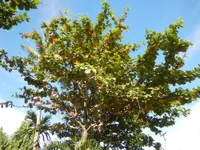
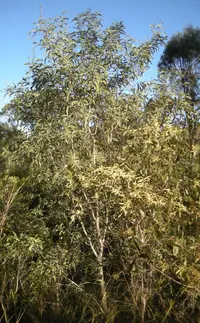
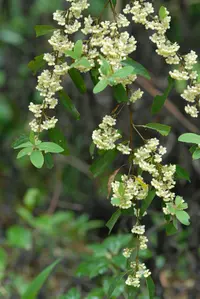
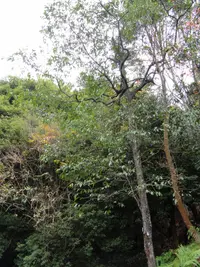
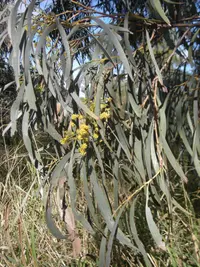
Brigalow, Acacia harpophylla, is a long-lived Australian woodland tree known for its dense, narrow, grey-green foliage and hard, durable timber. It typically forms tall, compact stands that create deep shade and a distinctive silvery canopy. In its native range, it dominates dry inland plains with heavy clay soils and low, variable rainfall. This background makes it a resilient, drought-tolerant species but less suited to small residential gardens. It generally prefers full sun, well-drained but firm soils, and low to moderate moisture. Understanding this dry woodland origin helps guide how to care for Brigalow in cultivation.

Main Plant Requirements

Care Difficulty

Moderate Care

Light Preference

Full Sun

Water Requirements

Low Water

Temperature Preference

Warm Climate

Hardiness Zone

9–11

Soil Texture

Sandy, Loamy, Clay

Soil pH

Slightly acidic (6.5–7.0), Neutral (7.0)

Soil Drainage

Well-drained

Fertilization

Minimal (feed rarely)

Get Personalized Care Plan

Scan your plant to receive care tips personalized for your specific plant

Available on iOS and Android

How to Care for the Brigalow

This Australian woodland species performs best in strong, direct light typical of open, semi-arid sites.

  • Provide full sun for 6–10 hours per day; young Brigalow plants establish fastest in open, unobstructed exposure.
  • Tolerates light partial shade, especially with morning sun and some afternoon shade in very hot summers to limit leaf scorch.
  • In dense shade plants grow sparse and leggy; monitor winter light and avoid permanent shadow from buildings or taller trees.

This drought-adapted tree prefers infrequent, deep watering and drying periods between soakings.

  • Water established plants only when the top 5–10 cm of soil are completely dry and leaves begin to look slightly dull or lose some firmness.
  • Use sharply drained, sandy or gravelly soil; after heavy rain, ensure water does not pool around the root zone for more than a few hours.
  • Reduce watering in cool seasons; persistent yellowing leaves, soft stems, or sour soil odor indicate overwatering in Acacia harpophylla.

This species is adapted to hot, semi-arid climates with mild winters and high summer heat.

  • Optimal growth occurs around 77–95°F (25–35°C), with best establishment during warm, frost-free seasons.
  • Mature trees tolerate brief heat spikes up to about 110°F (43°C) if roots are established and soil is not waterlogged.
  • Frost is a major risk; aim to keep plants above 28–30°F (-2– -1°C), protecting young trees from repeated freezing nights.

This species tolerates low humidity well, so air moisture is rarely a concern for Brigalow.

Acacia harpophylla prefers lean, mineral soils that drain quickly yet hold roots firmly.

  • Use sandy or sandy-loam soil with 30–50% coarse mineral material such as sharp sand or fine gravel.
  • Ensure rapid drainage; water should pass through within seconds, leaving no standing water in trays or saucers.
  • Aim for slightly acidic to neutral pH around 6.0–7.5, avoiding strongly acidic mixes rich in peat.
  • In heavy soils, improve aeration by blending in coarse sand and crushed gravel rather than high-organic compost.

This species can be grown in containers when kept as a young or compact specimen outdoors.

  • Choose a deep, heavy pot to stabilize the upright, woody growth and prevent tipping in strong wind.
  • Select a gritty, fast-draining mix so the root zone dries quickly between thorough waterings in confined space.
  • Avoid dark metal or thin plastic pots in full sun, which can overheat the root zone and stress the tree.

This nitrogen-fixing tree generally needs minimal feeding, especially when grown in native-type soil, but light fertilization can support young Brigalow in poor sites.

  • Use a balanced slow-release fertilizer (for example 10-10-10) or well-rotted compost in early spring for young or container plants.
  • Apply at low strength, using about half the label rate, to avoid forcing weak, lush growth.
  • Feed only 1–2 times during the warm growing season if growth is poor or foliage is pale.
  • Avoid fertilizing in winter or dormancy, as uptake is low and salt buildup may stress roots.

Acacia harpophylla benefits from light, occasional pruning to maintain structure and remove problem wood.

  • Carry out main pruning in late winter or very early spring before active growth starts.
  • Remove dead, diseased, crossing, or storm-damaged branches with clean, sharp bypass pruners or a pruning saw.
  • Thin crowded interior branches slightly to improve airflow and light penetration without over-opening the canopy.
  • Limit cuts to smaller branches to preserve the natural form and reduce stress on the tree.

This species is usually grown in the ground, so transplanting young trees correctly is more important than container repotting.

  • Transplant in late winter to early spring when conditions are mild and soil is workable.
  • Look for signs such as roots circling the pot, slow growth, or the plant drying out quickly as indicators a container specimen needs a larger space.
  • Move up only 1–2 pot sizes or into a well-prepared planting hole with free-draining, low-phosphorus soil to limit shock.
  • Water deeply after transplanting, keep soil evenly moist but not waterlogged for several weeks, and avoid heavy pruning at the same time to reduce root stress.

Acacia harpophylla is most reliably propagated from seed, though the process needs some preparation for good germination.

  • Collect ripe, mature seeds and store them dry until late winter or early spring sowing.
  • Scarify hard seed coats by nicking with a blade or pouring hot (not boiling) water over seeds, then soaking for 12–24 hours.
  • Sow into a free-draining, low-phosphorus mix, keeping temperature around 70–80°F and moisture lightly even, not saturated.
  • Provide bright light and good air movement; transplant seedlings carefully once roots hold the mix but before they become pot-bound.

This warm-climate tree has low frost tolerance and needs protection in regions with cold winters.

  • In ground, add a 5–8 cm mulch layer around the root zone, keeping it slightly away from the trunk base.
  • Wrap young trunks with breathable tree wrap or hessian to limit bark damage from light freezes.
  • Grow container plants in large pots and move them indoors or into a frost-free greenhouse when temperatures approach 32°F.
  • Ensure indoor or sheltered plants receive bright light and slightly reduced watering through winter to prevent weak, leggy growth.

Care Tips

Wind-hardening seedlings

If starting young plants in a nursery setting, expose them gradually to increasing wind by opening vents or using a low-speed fan so the stems lignify and anchor better before outplanting on exposed sites.

Deep staking method

On windy or cracking-prone soils, use 2–3 sturdy stakes set outside the root zone and attach the trunk with flexible ties in a loose figure-eight pattern to keep the root collar stable while still allowing limited movement for trunk strengthening.

Soil cracking management

In heavy clay sites prone to deep cracks, lightly mulch a broad area around the base and avoid frequent shallow cultivation so fine feeder roots are not torn when the soil shrinks and swells.

Grazing and browsing control

In mixed-use landscapes or restoration projects, use guards or short fencing to prevent livestock and wildlife from browsing young foliage and bark, as repeated damage at an early stage can permanently distort the crown.

Low-input pest monitoring

During the first 2–3 years, inspect foliage and new shoots every few weeks for sap-sucking insects and scale, and if colonies are small, remove affected twigs or hose them off with a strong water jet instead of relying immediately on chemical controls when caring for Brigalow.

Common Pests and Diseases

Acacia psyllids

These insects feed on sap in young foliage, causing distortion, yellowing, and sometimes sticky honeydew on leaves and stems.

Solution

Prune and destroy heavily infested shoots, then hose down foliage to remove nymphs and honeydew; if needed, apply a targeted systemic insecticide or horticultural oil registered for psyllids, focusing on new growth while monitoring nearby native insects when caring for Brigalow.

Borers

These insects tunnel into trunks and larger branches, leading to frass (sawdust-like material), dieback of branches, and structural weakness.

Solution

Cut out and destroy affected branches below visible tunneling, improve tree vigor with proper watering and no overfertilizing, and use trunk sanitation plus, in high-value specimens, consider timing preventive insecticidal treatments to adult flight periods identified by local extension services.

Armillaria root disease

This disease, caused by Armillaria fungi in the soil, leads to progressive decline, poor growth, yellowing foliage, and eventual dieback, often in sites with a history of tree removal.

Solution

Remove severely affected trees including as much of the root system as practical, avoid planting new Brigalow in known infested spots, improve soil drainage, and maintain good spacing to reduce moisture and root contact between susceptible trees.

Phytophthora dieback

This disease affects the root system under poorly drained or compacted conditions, with symptoms including wilting in warm weather, sparse foliage, and tip dieback despite adequate soil moisture.

Solution

Improve drainage around the tree, avoid overwatering and soil compaction, remove and destroy severely affected plants, and in high-value plantings consult local specialists about approved phosphite (phosphonate) trunk or soil treatments to suppress the pathogen.

Leaf spot

This disease causes small dark or tan lesions on foliage, sometimes with a yellow halo, which can merge and lead to partial defoliation in humid or crowded plantings.

Solution

Rake and discard fallen leaves, increase spacing and airflow, avoid overhead irrigation where possible, and if the problem recurs, use a labeled copper or broad-spectrum fungicide at the start of warm, humid periods, following local label directions carefully.

Interesting Facts

Brigalow belt architect

This species is the dominant tree of the Brigalow Belt in eastern Australia, forming extensive semi-arid woodlands that define an entire biogeographic region and its characteristic dark cracking clay soils.

Hook-shaped leaf adaptation

Its narrow, curved, hook-like phyllodes (leaf-like leaf stalks) reduce surface area and water loss, an adaptation to the hot, drought-prone inland climates where the species naturally occurs.

Soil-building nitrogen fixer

Like many acacias, it forms root nodules with nitrogen-fixing bacteria, enriching otherwise poor, heavy clay soils and supporting complex plant and animal communities around brigalow stands.

Botan icon

Did you know?

Large, intact brigalow woodlands have become highly fragmented due to land clearing for agriculture, making remaining stands of Acacia harpophylla a major conservation priority in eastern Australia for their biodiversity and habitat value.

FAQs about Brigalow

Growth is slow to moderate. Young trees may add roughly 20–40 cm per year under good conditions, then slow as they mature. Poor, compacted soils, drought during establishment, and root disturbance reduce growth rate significantly.

Grow Healthy Plants with Botan Care

Keep your plants happy and healthy with plant identification, disease detection, and easy care guidance.

Botan plant care app — identify plants on mobile

Explore More Plants