Ribes magellanicum Care

Ribes magellanicum

About Ribes magellanicum

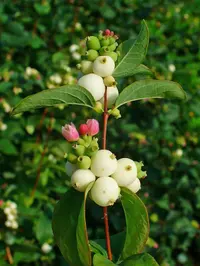
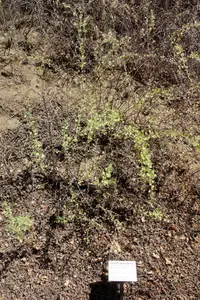
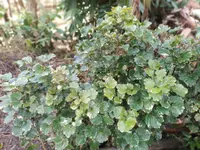
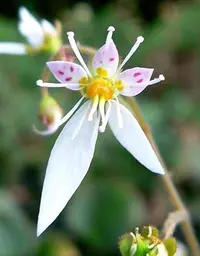
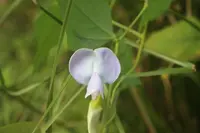
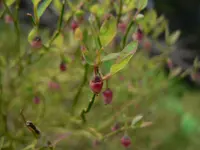
Ribes magellanicum is a deciduous shrub in the currant family, valued for its colorful berries and fine-textured foliage. It typically forms a dense, branching habit with small leaves and ornamental fruit clusters.

This species is native to southern Chile and Argentina, where it grows in cool, moist forests and shrublands. It adapts best to temperate climates with moderate summer temperatures and consistent moisture.

Gardeners appreciate its resilience and relatively low maintenance, though it prefers well-drained soil and regular watering during dry spells. Understanding how to care for Ribes magellanicum starts with providing cool conditions, adequate light, and protection from severe drought or heat.

Main Plant Requirements

Care Difficulty

Moderate Care

Light Preference

Partial Sun

Water Requirements

Moderate Water

Temperature Preference

Cold Hardy

Hardiness Zone

6–9

Soil Texture

Loamy, Sandy, Organic-rich

Soil pH

Acidic (5.5–6.5), Slightly acidic (6.5–7.0)

Soil Drainage

Moist but well-drained

Fertilization

Minimal (feed rarely)

Get Personalized Care Plan

Scan your plant to receive care tips personalized for your specific plant

Available on iOS and Android

How to Care for the Ribes magellanicum

This cool-climate shrub prefers bright, mild sun conditions similar to its native southern Andean habitats.

  • Provide 4–6 hours of direct sun daily, ideally morning sun with light afternoon shade, especially in hotter summer regions.
  • Allow bright partial shade in areas with strong summer sun; foliage may scorch or yellow if exposed to intense afternoon sun all day.
  • In cooler coastal or northern climates, Ribes magellanicum can tolerate nearly full sun, but monitor leaves for pale color or sparse growth as signs of insufficient or excessive light.

This shrub prefers consistently moist, cool soil but reacts poorly to waterlogged conditions.

  • Water when the top 3–5 cm of soil feels dry, soaking the root zone deeply rather than giving light, frequent splashes.
  • Use well-drained, humus-rich soil; prolonged puddling, sour smell, or blackening roots indicate overwatering and poor drainage.
  • In spring and early summer, increase watering as growth and fruiting demand more moisture, then reduce slightly in late summer and autumn, watching for wilting or leaf drop as cues.

This species is adapted to cool, temperate climates with moderate summers and cold winters.

  • Aim for active growing-season temperatures around 50–70°F (10–21°C), which support steady vegetative growth and flowering.
  • Dormant plants tolerate winter lows down to about 5–10°F (-15 to -12°C) once established, but young shrubs benefit from mulch over the root zone.
  • Sustained heat above 80–85°F (27–29°C) can stress plants, so provide afternoon shade and a cool, moist soil surface during hot spells to reduce leaf scorch.

This species handles a wide humidity range but benefits from moderately moist air.

  • Aim for 40–60% humidity, similar to most outdoor temperate conditions.
  • Dry indoor air can cause marginal leaf browning and slower growth, especially near heating vents.
  • Increase humidity locally by grouping plants, using a pebble tray with water below the pot base, or placing it outdoors in mild, moist climates.

This shrub prefers cool, moist, well-structured mineral soil with consistent drainage.

  • Use a loamy soil with moderate organic matter, combining garden loam, compost, and a small amount of coarse sand for structure.
  • Ensure drainage is steady, not fast-drying; water should infiltrate quickly but the soil should stay evenly moist, never waterlogged.
  • Target slightly acidic to neutral pH, around 5.5–7.0, which supports nutrient uptake and healthy root development in Ribes magellanicum.
  • Improve aeration and reduce compaction by incorporating coarse sand, fine gravel, or perlite, avoiding heavy clay or peat-only mixes.

This species can be grown in containers if the pot allows enough root space and stable moisture.

  • Choose a deep, broad container to accommodate a woody root system and prevent the shrub from becoming top-heavy in wind.
  • Select a heavier pot material, such as thick terracotta or ceramic, to reduce tipping and moderate soil temperature swings.
  • Raise the pot slightly on feet or blocks so drainage holes stay clear and excess water exits quickly during rain or irrigation.

This shrub grows acceptably in average soil but benefits from light feeding in lean conditions.

  • Apply a thin layer of well-rotted compost around the root zone in early spring before new growth starts.
  • Use a balanced slow-release fertilizer (around 10-10-10) at half label rate once in spring for Ribes magellanicum.
  • Avoid summer overfeeding, which encourages soft, pest-prone shoots rather than sturdy wood and flowers.
  • Do not fertilize during winter dormancy; stop feeding by late summer to allow shoots to harden.

Pruning helps maintain structure, airflow, and flowering quality in this currant-like shrub.

  • Carry out main pruning in late winter or very early spring while plants are still dormant.
  • Remove dead, diseased, or damaged wood first, then thin out the most crowded interior branches.
  • Shorten or remove a portion of the oldest stems at the base to stimulate new, productive shoots in Ribes magellanicum.
  • Use clean, sharp bypass pruners and make cuts just above an outward-facing bud to guide future growth.

This species is usually grown in the ground, so focus on careful transplanting rather than frequent repotting.

  • Plan transplanting for early spring or early fall, avoiding hot, dry weather to limit stress.
  • Look for signs such as slow growth, poor vigor, or roots circling a nursery container as cues to move Ribes magellanicum.
  • Dig a wide planting hole, disturb circling roots gently, and set the shrub at the same soil level as before.
  • Water deeply after planting, then keep soil evenly moist and mulched while new roots establish over several weeks.

Ribes magellanicum is commonly propagated by hardwood cuttings and seeds under suitable conditions.

  • Take hardwood cuttings in late fall or winter, 15–20 cm long, from healthy one-year-old wood.
  • Insert cuttings into a gritty, well-drained medium, keeping the lower nodes buried and the bed cool but frost-free.
  • Sow cleaned seeds in fall and allow natural cold stratification outdoors for improved germination in spring.
  • Keep seed trays and cutting beds evenly moist, not waterlogged, and provide bright, indirect light as growth begins.

This shrub is cold hardy in many temperate climates and usually needs only minimal winter care.

  • Tolerates typical winter frosts once established, especially in well-drained soil.
  • Apply a 5–8 cm mulch layer over the root zone in late fall, keeping it slightly back from the stems.
  • For plants in containers, move pots to a sheltered, unheated area to prevent root damage from repeated freeze-thaw cycles.

Care Tips

Shelter From Wind

Site plants where they are screened from prevailing winds by a hedge, fence, or shrub layer, since constant strong wind can desiccate leaves, damage young shoots, and reduce fruit set.

Mulch For Cool Roots

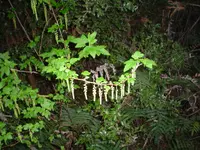
Apply a 5–8 cm layer of coarse organic mulch around the root zone each spring to keep the shallow roots cool, reduce soil moisture swings, and limit weed competition that can stunt growth.

Encourage Bushy Framework

In the first 2–3 years, lightly tip back vigorous leaders and favor multiple well-spaced stems to build a stable, open framework that resists snow load and allows good air movement through the plant.

Manage Suckers Selectively

Allow a limited number of strong basal shoots to develop each year to replace older stems, but remove weak or crowded suckers at ground level so energy goes into productive wood instead of dense thickets.

Monitor For Currant Pests

Inspect foliage and young shoots every 1–2 weeks in spring and early summer for sawfly larvae, aphids, and leaf spot, and remove affected leaves or hand-pick pests early as part of systematic Ribes magellanicum care.

Common Pests and Diseases

Currant blister aphid

This pest forms yellow to reddish blisters on leaves where colonies feed on the undersides, causing curling and distortion. This pest can reduce vigor and photosynthesis if infestations are heavy.

Solution

Prune and discard heavily distorted shoots, then hose down foliage with a strong stream of water to remove colonies. If needed, apply insecticidal soap or a light horticultural oil to the undersides of leaves in early spring when new growth appears, repeating as needed while protecting beneficial insects.

Currant sawfly

These insects skeletonize leaves, leaving only veins, and can quickly defoliate bushes in late spring or early summer. Symptoms include ragged foliage and clusters of green, caterpillar-like larvae on the underside of leaves.

Solution

Hand-pick larvae where practical and destroy them, and shake branches over a tarp to dislodge larger numbers. For persistent outbreaks, use a targeted product containing spinosad, applying in the evening to reduce impact on pollinators and repeating according to label directions if new larvae appear.

Currant leaf spot

This disease causes small dark brown to black spots on leaves that may coalesce, followed by premature yellowing and leaf drop. Symptoms include thinning foliage from mid to late season, especially in dense, shaded bushes.

Solution

Remove and destroy fallen leaves and heavily spotted foliage to reduce fungal spores, and thin branches to improve airflow and faster drying after rain. In areas with a history of problems, a copper-based fungicide can be applied just as leaves emerge in spring and again after flowering, following label instructions carefully as part of broader Ribes magellanicum care instructions.

American gooseberry powdery mildew

This disease produces white, powdery growth on young shoots, leaf surfaces, and sometimes fruit, leading to distorted growth and reduced yield. Symptoms include stunted shoot tips and a felt-like coating that can turn brown over time.

Solution

Prune out and destroy infected shoot tips during dry weather, and open the center of the shrub to increase light and airflow. In humid climates, start preventive sprays with sulfur or potassium bicarbonate products at leaf-out and repeat through the early growing season when conditions favor mildew.

Currant bud mite

This pest causes buds to swell abnormally and fail to develop normally, leading to patchy leafing-out and reduced flowering and fruiting. This pest lives inside buds, making it hard to see without close inspection.

Solution

Cut off and destroy swollen, deformed buds and affected short shoots during dormancy to remove most of the population. In established infestations, consider rejuvenation pruning over several winters to replace old wood, and in some regions a lime sulfur spray during dormancy may help lower mite numbers when used according to label directions.

Interesting Facts

Fuegian forest specialist

This shrub is naturally distributed in the cool, moist forests of southern Chile and Argentina, including Tierra del Fuego, where it forms part of the understorey in Nothofagus (southern beech) woodlands and along forest edges.

Orange to red berries

It produces small, orange to red berries that are edible and have been traditionally used locally for jams and preserves, although they are less sweet and less widely cultivated than fruits of related currant and gooseberry species.

Cold and wind tolerance

In its native range it withstands harsh Patagonian conditions, including strong winds and low temperatures, which reflects a naturally high tolerance to cold compared with many other currant relatives.

Botan icon

Did you know?

The species name magellanicum refers to the Magellanic region around the Strait of Magellan, highlighting how closely this shrub is associated with the distinctive subantarctic ecosystems of extreme southern South America.

FAQs about Ribes magellanicum

The berries are edible when fully ripe and are mainly used for jams, jellies, or processing rather than fresh snacking due to their tart flavor. Avoid eating unripe fruits and always discard any moldy or spoiled berries.

Grow Healthy Plants with Botan Care

Keep your plants happy and healthy with plant identification, disease detection, and easy care guidance.

Botan plant care app — identify plants on mobile

Explore More Plants