
whitebark raspberry Care (Rubus leucodermis)

Also known as: Blackcap Raspberry, Western black raspberry
whitebark raspberry

About whitebark raspberry

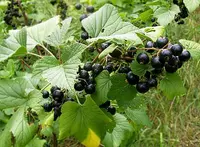
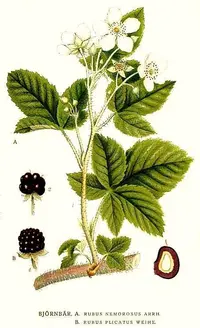
Whitebark raspberry, Rubus leucodermis, is a cold-hardy bramble native to western North America, from lowland woods to mountain slopes. It forms arching, often thorny canes with a pale, whitish bloom on the stems and soft, compound leaves. In season it produces small white flowers followed by dark purple to almost black berries that resemble common raspberries but have a richer color and flavor. This species spreads by canes and root suckers, so it can form dense thickets in suitable conditions. It is generally easy to grow if given sun, consistent moisture, and well-drained soil, and understanding how to care for whitebark raspberry helps keep plants productive and manageable.

Main Plant Requirements

Care Difficulty

Easy Care

Light Preference

Full Sun

Water Requirements

Regular Water

Temperature Preference

Cold Hardy

Hardiness Zone

4–9

Soil Texture

Sandy, Loamy, Organic-rich

Soil pH

Acidic (5.5–6.5), Slightly acidic (6.5–7.0)

Soil Drainage

Moist but well-drained

Fertilization

Minimal (feed rarely)

Get Personalized Care Plan

Scan your plant to receive care tips personalized for your specific plant

Available on iOS and Android

How to Care for the whitebark raspberry

Rubus leucodermis fruits and canes develop best with consistent direct light while avoiding extreme heat stress.

  • Provide 6–8 hours of direct sun daily, with a strong preference for morning sun and light afternoon shade, especially in hotter regions.
  • Tolerates partial shade (around 3–4 hours direct sun) but may produce fewer, less sweet berries and longer, weaker canes.
  • In summer, protect from intense late-afternoon sun in hot climates to prevent leaf scorch; in cooler climates, full sun all day is usually safe.

This species prefers evenly moist, well-drained soil rather than constant saturation.

  • Irrigate when the top 3–5 cm of soil feels dry, applying a deep soak that moistens the root zone instead of frequent shallow splashes.
  • During spring and early summer, monitor closely and increase watering during flowering and fruit swelling, then reduce as growth slows in late summer–fall.
  • Watch for wilting, dry leaf edges, or small berries as signs of underwatering, and yellowing, limp leaves or sour-smelling soil as signs of overwatering.

This cane-forming bramble is naturally adapted to cool to mild climates with cold winters and moderate summers.

  • Active growth and best fruiting occur around 60–75°F (16–24°C), with cooler nights supporting strong cane development and flower formation.
  • Dormant plants tolerate winter lows near 0°F (−18°C) once hardened, but young plants benefit from protection if sudden cold snaps follow mild weather.
  • In hot spells above 90°F (32°C), growth can slow and leaves may scorch, so provide mulch, consistent moisture, and some afternoon shade to reduce heat stress.

Humidity is rarely a limiting factor for Rubus leucodermis in typical outdoor conditions.

Rubus leucodermis grows best in loose, well‑structured mineral soil enriched with organic matter.

  • Use a loamy or sandy-loam soil that crumbles easily and does not form hard clods when dry.
  • Aim for slightly acidic to neutral pH, around 5.5–7.0, which supports nutrient uptake and root health.
  • In new beds, mix in 25–40% compost plus coarse sand or fine bark to improve organic content, aeration, and drainage.
  • Avoid heavy clay that stays waterlogged, compacted ground, or spots where water collects after rain.

This species can be grown in containers for small-scale fruiting or temporary placement outdoors.

  • Choose a deep, wide container (at least 30–40 cm diameter) to accommodate vigorous roots and spreading canes.
  • Use a heavy, stable pot material or weight the base so tall fruiting canes do not tip the container in wind.
  • Select a fast-draining potting mix and raise the container slightly off the ground to ensure rapid outflow of excess water.

Rubus leucodermis grows well in reasonably fertile soil and benefits from light, targeted feeding in cultivation.

  • Use a balanced granular or slow-release fertilizer (around 10-10-10) or well-rotted compost in early spring as new growth starts.
  • Apply a light top-dressing or low-dose feed once in spring and again in midsummer during the main growing season.
  • Reduce or stop feeding in late summer to allow canes to harden and avoid stimulating tender growth before winter.
  • If using liquid fertilizer, dilute to 1/2 strength and apply to moist soil to limit root burn.

Pruning Rubus leucodermis focuses on renewing fruiting canes and keeping the thicket open and healthy.

  • In late winter or very early spring, remove dead, damaged, or disease-marked canes at ground level using sharp bypass pruners.
  • Cut out spent 2-year-old canes that fruited last season, leaving strong 1-year-old canes to carry next year’s crop.
  • Thin crowded canes so remaining stems are spaced several inches apart, improving air flow and reducing fungal issues.
  • Shorten excessively long canes to manage spread and create a manageable, accessible shrub form.

This species is usually grown in the ground, so care focuses on transplanting young plants or divisions rather than frequent repotting.

  • Transplant in early spring or fall when soil is moist and temperatures are mild, minimizing heat and drought stress.
  • Move plants when growth slows, roots circle the pot, or canes outgrow their space, usually every 2–3 years in containers.
  • Water the plant well before digging, then lift with a wide root ball to keep fine feeder roots intact.
  • Replant at the same soil depth, firm gently, water thoroughly, and apply mulch to reduce moisture loss and transplant shock.

Rubus leucodermis is commonly multiplied in gardens by simple vegetative methods that match its natural spreading habit.

  • Use tip layering in spring to early summer by bending a flexible cane tip to the soil, pinning it, and covering with 5–8 cm of loose earth.
  • Divide small clumps in early spring or fall, ensuring each division has healthy roots and 1–3 canes.
  • Take semi-ripe stem cuttings in early summer, place in a moist, well-drained medium, and maintain high humidity until rooted.
  • Sow fresh seed outdoors in fall or use cold stratification, as seeds need a prolonged chill to break dormancy.

This cane-forming bramble is cold hardy in much of its native range and usually needs only modest winter care.

  • Established plants tolerate typical winter frosts, but young plants benefit from a 5–8 cm mulch layer over the root zone.
  • Apply organic mulch after the ground cools, keeping it slightly away from the base of the canes to prevent rot.
  • In very exposed sites or colder-than-usual winters, tie canes loosely together to limit wind damage and breakage.
  • Container-grown plants are more vulnerable; move pots into a sheltered, unheated but frost-sheltered location if possible.

Care Tips

Trellis For Airflow

Install a sturdy trellis or wire system and tie new canes loosely as they grow to keep foliage off the ground, which improves airflow and reduces cane disease and fruit rot.

Renewal Cane Thinning

Each late winter, remove the oldest, darkest, and most crowded canes at the base to keep only the strongest 4–6 canes per plant, which maintains productivity and reduces pest harborage.

Mulch To Protect Roots

Apply a 5–8 cm layer of coarse organic mulch around but not touching the canes to stabilize soil moisture, limit weed competition, and protect shallow roots from heat and light frost.

Targeted Bird Protection

Drape lightweight bird netting over a simple frame just before berries start to color, keeping the mesh lifted off the fruit clusters so pollinators can work earlier in the season but ripe berries remain protected.

Clean Harvest Routine

Harvest only dry fruit, remove any moldy or damaged berries promptly, and dispose of them away from the planting area to limit disease spores and insects building up around the patch when growing whitebark raspberry.

Common Pests and Diseases

Raspberry beetle

This pest causes scarring and tunneling in developing berries, often leading to misshapen, crumbly fruit with small grubs inside. Symptoms include early browning and drying of individual drupelets before harvest.

Solution

Remove and destroy infested fruit and any plant debris after harvest to reduce overwintering beetles. Use fine mesh row covers before flowering to block egg-laying, and if needed apply a targeted fruit and cane insecticide labeled for caneberries just before flowering, following local extension guidelines for Rubus leucodermis care.

Raspberry crown borer

This pest attacks the lower canes and crown, causing wilting, poor vigor, and eventual cane death. Symptoms include weak new shoots, yellowing leaves, and swollen or cracked tissue near the base of the plant.

Solution

Dig out and destroy badly infested canes and crowns, including the larvae inside, and keep plantings free of wild Rubus hosts nearby. Maintain strong plant vigor with proper watering and fertilization, and in higher-pressure areas use a labeled soil or crown drench in late summer or fall when young larvae are active at the base of canes.

Raspberry cane blight

This disease causes sunken, dark lesions on canes, often beginning at pruning wounds, followed by cane dieback and reduced yield. Symptoms include sudden wilting of lateral shoots and grayish-brown canes with small black fruiting bodies in humid weather.

Solution

Prune out and destroy infected canes as soon as symptoms appear, cutting well below visible lesions, and always prune during dry weather using sanitized tools. Improve airflow by proper spacing, avoid overhead irrigation, and apply a caneberry-labeled fungicide at or just after pruning in plantings with a history of disease.

Anthracnose

This disease produces small, purplish spots on young canes and leaves that enlarge into gray, sunken lesions with dark borders, leading to cane cracking and poor fruit set. Symptoms include stunted growth and rough, scabby canes, especially in cool, wet springs.

Solution

Remove and destroy heavily infected canes at the end of the season, and thin canes to improve light and air penetration. Avoid wetting foliage with irrigation and use a preventive fungicide program labeled for caneberries at bud break and after shoot emergence in sites with recurring anthracnose issues.

Two-spotted spider mite

These insects feed on the undersides of leaves, causing fine stippling, bronzing, and premature leaf drop in hot, dry weather. This pest can weaken plants and reduce berry size and quality when populations are high.

Solution

Rinse undersides of leaves regularly with a firm stream of water to knock mites off and raise humidity around plants, and keep plants well watered to reduce stress. Introduce or conserve natural predators such as predatory mites, and if populations stay high, use a horticultural oil or insecticidal soap labeled for edible caneberries, applied thoroughly to leaf undersides.

Interesting Facts

White-stemmed canes

Mature canes develop a pale, whitish bloom on the bark, which is a waxy coating that helps reduce water loss and gives rise to the common name whitebark raspberry.

Native to western North America

This species is naturally distributed from British Columbia through the Pacific Northwest and into parts of California and the Rocky Mountains, where it commonly occupies open forests, clearings, and disturbed slopes.

High wildlife value

Its berries are an important summer food for birds, small mammals, and bears, and the dense, thorny canes provide nesting and protective cover for wildlife in early successional habitats.

Botan icon

Did you know?

The fruits of this species start out distinctly red and only reach full ripeness when they turn deep purple to almost black, a color change linked to increasing anthocyanin pigments that also make the berries suitable as a traditional natural dye.

FAQs about whitebark raspberry

This species spreads by both seeds and underground stems, forming dense thickets over time. In small gardens, install root barriers, prune new canes regularly, and remove unwanted suckers to prevent it from overtaking nearby planting areas.

Grow Healthy Plants with Botan Care

Keep your plants happy and healthy with plant identification, disease detection, and easy care guidance.

Botan plant care app — identify plants on mobile

Explore More Plants