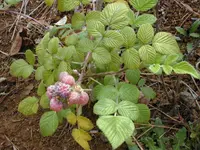
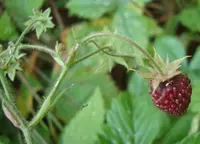
Beadplant Care (Nertera granadensis)

Also known as: Makole
Beadplant

About Beadplant

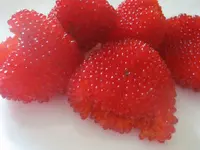
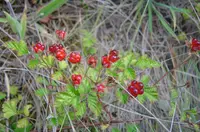
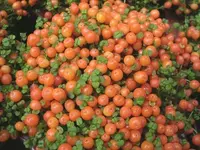
Nertera granadensis, often called coral bead plant, is a low, mat-forming groundcover grown mainly for its bright, bead-like berries. It stays very compact, creating a dense cushion of tiny leaves.

In nature it occurs in cool, moist habitats in parts of Central and South America, New Zealand, and nearby regions. As a houseplant, it is considered demanding because it dislikes heat, drying out, and strong direct sun.

It prefers cool conditions, steady light without harsh midday sun, and evenly moist but not waterlogged soil. Understanding these needs is key to how to care for Nertera granadensis.

Main Plant Requirements

Care Difficulty

Hard Care

Light Preference

Bright Indirect Light

Water Requirements

Keep Soil Moist

Temperature Preference

Tropical / Frost Sensitive

Hardiness Zone

10–11

Soil Texture

Loamy, Peaty, Organic-rich

Soil pH

Acidic (5.5–6.5), Slightly acidic (6.5–7.0)

Soil Drainage

Moist but well-drained

Fertilization

Light (every 4–6 weeks)

Get Personalized Care Plan

Scan your plant to receive care tips personalized for your specific plant

Available on iOS and Android

How to Care for the Beadplant

This plant prefers soft light with some direct sun but is sensitive to strong midday exposure.

  • Provide 2–4 hours of gentle morning sun, then bright filtered light or light shade for the rest of the day to protect berries and foliage.
  • Tolerates partial shade, but in very dim conditions growth becomes sparse and berries are fewer; shift it closer to a bright window or lightly shaded outdoor spot.
  • In summer, shield Nertera granadensis from harsh afternoon sun with sheer curtains or dappled shade; in winter, move it to the brightest frost-free position available.

Soil should stay lightly moist, never soggy or bone-dry, to support healthy foliage and berries.

  • Water when the top 1–2 cm of soil feels dry, then moisten evenly until excess drains away; avoid leaving the root zone waterlogged.
  • In spring and summer, drying out fully leads to wilting and berry drop; in fall and winter, let the top layer dry a bit more to reduce rot risk as growth slows.
  • Pale, shriveling berries and crisp leaves suggest underwatering, while yellowing, mushy stems and sour-smelling soil point to overwatering and poor drainage for Nertera granadensis.

Stable, cool to mild temperatures support compact growth and longer-lasting berries.

  • Aim for 60–70°F (16–21°C) for active growth; brief dips to 50°F (10°C) are usually tolerated if the soil is not wet and cold.
  • Avoid frost, as tissue damage starts near 32°F (0°C); prolonged exposure below 40°F (4°C) can kill roots and berries, especially in exposed containers.
  • In hot weather above 80°F (27°C), move the plant to shade, increase airflow, and prevent the root zone from heating, since high heat plus strong sun quickly scorches foliage.

This species prefers moderate to high humidity and reacts quickly to dry indoor air.

  • Aim for 50–70% humidity to keep foliage and berries firm and prevent premature drop.
  • Crisping leaf edges, shriveling berries, and stalled growth indicate humidity stress rather than underwatering.
  • Increase humidity with a nearby humidifier, close grouping with other plants, or a wide pebble tray kept with water below the pot base.

Nertera granadensis grows best in a consistently moist, airy, and well-drained mix that resists compaction.

  • Use a fine-textured, peat- or coco-based mix with 30–40% perlite or pumice to improve drainage and aeration.
  • Aim for slightly acidic to neutral pH around 5.8–7.0, avoiding strongly alkaline or strongly acidic mixes.
  • Blend in a small amount of mature compost for steady nutrients but avoid heavy, clay-rich garden soil that stays wet.
  • Ensure the mix drains freely within a few seconds after watering; waterlogged or crusted surfaces promote root decline and patchy dieback.

This species is well suited to shallow containers that support its low, mat-forming habit.

  • Choose a broad, shallow pot so the root mat can spread sideways without forming dense, airless clumps.
  • Select a container material that slows drying slightly, such as glazed ceramic, to keep the thin root zone evenly moist.
  • Raise the pot slightly on feet or spacers so drainage holes stay clear and water does not pool under the creeping stems.

This plant benefits from light, controlled feeding during its active growth, but heavy fertilization harms it.

  • Use a balanced liquid fertilizer (around 10-10-10) at 1/4–1/2 strength for Nertera granadensis during spring and summer.
  • Apply every 4–6 weeks while the plant is actively growing; skip feedings if growth slows due to stress.
  • Choose either a diluted balanced NPK or a very light top-dressing of fine compost, never both at once.
  • Stop fertilizing in fall and winter, as the plant is semi-dormant and excess nutrients can damage roots.

Light pruning keeps this plant compact and encourages fresh foliage without stressing the mat-forming growth habit.

  • Best time for pruning is after the main berry display fades, usually late winter to early spring.
  • Snip off dead, yellowing, or damaged stems with small, sharp scissors or snips to limit disease entry.
  • Trim back thin, sparse, or overly long runners to maintain a dense cushion and neater outline.
  • Avoid cutting into the mat too hard at once; remove up to about 1/3 of growth to prevent shock.

This shallow-rooted plant prefers stable conditions and only needs repotting when clearly rootbound or declining.

  • Check for roots circling the pot, pushing through drainage holes, or clear slowing of new growth as signs to repot.
  • Plan to repot every 2–3 years in spring, keeping the same shallow style container with good drainage.
  • Lift the mat carefully, tease roots very gently, and remove only a small amount of old soil to reduce stress.
  • Replant at the same soil level, water thoroughly, then keep in bright, indirect light and slightly higher humidity for 1–2 weeks.

Propagation is practical but delicate, since the plant forms a shallow, interwoven mat of fine stems and roots.

  • Division in early spring is the most reliable method; lift the mat and separate small clumps with roots attached.
  • Replant divisions into shallow containers with airy, well-drained mix, pressing gently to ensure root contact with soil.
  • Keep the medium just moist, not wet, and provide bright, indirect light and 65–75°F for best establishment.
  • Seed propagation is possible but slow; sow fresh seed on the surface of fine mix and maintain constant light moisture.

This species is not frost hardy and needs cool, frost-free conditions for successful overwintering.

  • Move container plants indoors or into a cold greenhouse before temperatures drop below about 40°F.
  • Aim for a cool room at 45–55°F with bright, indirect light to extend berry display and reduce stress.
  • Water sparingly in winter, allowing the top of the mix to dry slightly, since cold, wet soil encourages root rot.
  • Outdoors in mild climates, use a light mulch around the root zone, but avoid covering the foliage to prevent rot.

Care Tips

Berry-safe handling

Rotate and move the pot by holding the container, not the foliage, because damaged stems and crushed berries tend to rot and can invite fungal problems.

Surface moss mulch

Apply a thin, breathable top dressing of fine aquarium gravel or inert decorative sand to keep berries and foliage off constantly wet soil, which reduces rot and keeps the cushion-like mat more even.

Cool rest period

Provide a cooler, brighter rest period in fall–winter, around 50–59°F if possible, to encourage stronger flowering and heavier berry set in the following season when growing Nertera granadensis.

Gentle grooming

Use clean tweezers or small scissors to remove individual rotten berries and dead stems as they appear, which helps prevent mold from spreading through the dense mat.

Shallow repot technique

When repotting, use a wide, shallow pot and set the root mass only slightly below the rim so the plant can spread laterally and berries remain visible and better aerated.

Common Pests and Diseases

Spider mites

This pest thrives on Nertera foliage in warm, dry indoor air, causing fine stippling, dull leaves, and delicate webbing between stems and berries.

Solution

Rinse the plant thoroughly under lukewarm water, including the undersides of leaves, then increase humidity and isolate the plant; if mites persist, apply a horticultural soap or neem oil spray every 5–7 days until no new damage appears.

Mealybugs

These insects hide in dense foliage cushions and at stem bases, appearing as white cottony clusters that weaken the plant and can cause leaf yellowing and poor berry development.

Solution

Remove visible clusters with a cotton swab dipped in 70% isopropyl alcohol, then treat all foliage and stems with an insecticidal soap, repeating weekly and inspecting crown and soil surface where mealybugs often shelter.

Grey mold (Botrytis)

This disease develops easily on tightly packed cushions and berries in cool, humid, stagnant air, leading to soft brown spots and grey fuzzy mold, especially on overripe or damaged fruits.

Solution

Cut off and discard all affected berries and stems, improve air circulation, avoid wetting foliage, and water early in the day; in persistent cases, a fungicide labeled for ornamental grey mold can be used according to label directions as part of broader Nertera granadensis care instructions.

Bacterial leaf spot

This disease causes small water-soaked spots on leaves that enlarge, turn dark, and sometimes produce a yellow halo, leading to thinning of the compact mat.

Solution

Remove and discard affected leaves, avoid overhead watering, keep foliage dry, and reduce crowding; disinfect scissors between cuts and ensure the plant is not kept constantly wet at the soil surface to reduce bacterial spread.

Fungal crown rot

Symptoms include sudden collapse of stems from the base, browning and softening of the cushion, and failure of berries to develop or remain firm, often after prolonged overwatering and poor drainage.

Solution

Discard severely affected plants, as recovery is rare; for early cases, remove all soft, discolored tissue, repot into fresh, sharply draining mix, reduce watering, and ensure the container has ample drainage and is never left standing in water.

Interesting Facts

Bright berry signal

The vivid orange berries develop after small, inconspicuous greenish flowers and function as a strong visual signal to birds, which disperse the seeds in its native habitats of Central and South America.

Mat-forming growth habit

This species naturally forms a very low, dense mat with fine stems and tiny leaves, allowing it to cover rocky ground and shallow soil pockets in cool, open sites near coasts and montane areas.

Multiple native regions

Although often sold as a novelty houseplant, it is naturally distributed across several countries from Mexico to Chile and in parts of New Zealand and Australia, which explains why Nertera granadensis care instructions emphasize cool conditions over tropical heat.

FAQs about Beadplant

Leaf browning usually follows underwatering, hot dry air, or direct sun scorch. Check soil moisture, increase ambient humidity, and shield from harsh midday sun. Avoid fertilizer on dry roots, as this can burn leaf edges.

Grow Healthy Plants with Botan Care

Keep your plants happy and healthy with plant identification, disease detection, and easy care guidance.

Botan plant care app — identify plants on mobile

Explore More Plants