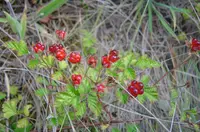
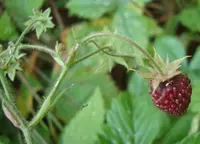
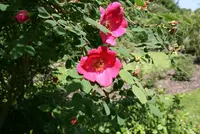
Use trellis support
Install a sturdy trellis or wire system before canes reach 30–40 cm so new growth can be tied in loosely, which keeps fruit off the ground, improves air flow, and simplifies harvesting.

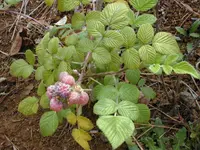
Snowpeaks raspberry, Rubus niveus, is a shrubby bramble grown for its sweet, dark purple to black berries and fine-textured foliage. It forms arching canes and can develop into a dense thicket if not managed.
This species is native to the Himalayan region and has been introduced to other mild climates, where it may grow vigorously. It is generally considered easy to moderate to grow, as it is hardy and productive but can spread quickly.
The plant prefers sun to light shade, moist but well-drained soil, and good air flow. Understanding how to care for snowpeaks raspberry helps keep plants healthy and fruiting without becoming invasive.

Care Difficulty
Moderate Care

Light Preference
Full Sun

Water Requirements
Regular Water

Temperature Preference
Warm Climate

Hardiness Zone
7–11

Soil Texture
Loamy, Sandy, Organic-rich

Soil pH
Acidic (5.5–6.5), Slightly acidic (6.5–7.0)

Soil Drainage
Moist but well-drained

Fertilization
Minimal (feed rarely)
Scan your plant to receive care tips personalized for your specific plant
Available on iOS and Android
Rubus niveus performs best with strong outdoor light but benefits from some protection from intense heat.
Rubus niveus prefers consistently moist but not waterlogged soil, with some drying at the surface between waterings.
This species tolerates a range of outdoor temperatures but fruits best within moderate conditions.
Humidity is rarely limiting for Rubus niveus, which adapts well to typical outdoor levels.
Rubus niveus prefers deep, moist, well‑aerated soil with steady drainage.
This species is suitable for container growing if the pot provides enough volume and stability for its vigorous roots and canes.
Rubus niveus benefits from moderate, balanced feeding to support steady cane growth and fruiting.
Pruning Rubus niveus manages vigor, improves light penetration, and maintains productive canes.
This shrub-type raspberry is usually grown in the ground, so focus on careful transplanting rather than frequent repotting.
Rubus niveus is commonly propagated vegetatively to maintain cultivar traits and fruit quality.
Rubus niveus has moderate cold tolerance but benefits from simple winter preparation in colder regions.

Plant Health Check
Not sure what's wrong with your plant? Check your plant's health inside the app.
Unlike many raspberries with prickles or bristly stems, this species has smooth, almost hairless canes, which makes it easier to handle but also helps distinguish it from related Rubus shrubs in the field.
In suitable subtropical and tropical highland climates, it can flower and fruit over an unusually long season, often producing berries repeatedly rather than in a single short flush.
This shrub is native to montane regions of the Himalayas and parts of southern and eastern Asia, where it typically grows on forest margins, scrub, and disturbed slopes at mid to high elevations.

In several Pacific islands and parts of Hawaii, this species has become a problematic invasive shrub, forming dense thickets that outcompete native vegetation and alter understory structure in montane forests.
Yellowing leaves often result from nutrient deficiencies, waterlogging, or natural aging of older canes. Check drainage, avoid constantly wet soil, and consider a balanced fertilizer. Also inspect roots for rot and leaves for pest or disease damage.
Keep your plants happy and healthy with plant identification, disease detection, and easy care guidance.