Renewal cane pruning
Every 2–3 years, remove 1–3 of the oldest, thickest stems at ground level in late winter to keep color vivid and encourage a constant supply of young red shoots.

Redosier dogwood, Cornus sericea, is a hardy deciduous shrub best known for its bright red winter stems. It usually forms a dense, multi-stemmed thicket that provides strong structure in gardens and natural landscapes.
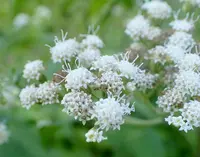
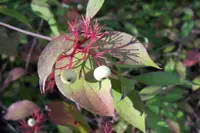
This species is native to North America and is commonly found along streams, wetlands, and moist woodland edges. It offers seasonal interest with white spring flowers, summer berries, and red fall foliage.
Cornus sericea is generally easy to grow, adapting to a wide range of soils as long as moisture is consistent. It tolerates cold climates well, which makes it a reliable choice for many regions.
Gardeners who want to learn how to care for redosier dogwood mainly need to consider its preference for sun to light shade and evenly moist soil.

Care Difficulty
Easy Care

Light Preference
Full Sun

Water Requirements
Regular Water

Temperature Preference
Cold Hardy

Hardiness Zone
2–7

Soil Texture
Loamy, Clay, Organic-rich

Soil pH
Acidic (5.5–6.5), Slightly acidic (6.5–7.0)

Soil Drainage
Moist but well-drained

Fertilization
Minimal (feed rarely)
Scan your plant to receive care tips personalized for your specific plant
Available on iOS and Android
This shrub prefers cool, bright conditions to color well and grow strongly.
This species prefers consistently moist soil, especially during establishment and summer heat.
This cold-hardy shrub tolerates a wide temperature range but grows best in moderate conditions.
This shrub tolerates a wide humidity range and usually does not need special humidity management outdoors.
Cornus sericea prefers consistently moist, structurally stable soil that holds water yet still drains freely.
This species can be grown in large outdoor containers, but only with attention to root space and stability.
This shrub generally needs modest feeding, especially when grown in poor soil or containers.
Pruning helps maintain Cornus sericea health and encourages bright young stems.
This species is usually grown in the ground, so focus on thoughtful transplanting rather than frequent repotting.
Cornus sericea is commonly propagated to create new landscape plants or stabilize slopes.
This shrub is cold hardy and usually needs minimal winter care in most temperate climates.

Plant Health Check
Not sure what's wrong with your plant? Check your plant's health inside the app.
New stems emerge green in spring, mature to red by late summer, and often turn an even brighter red as temperatures drop, due to increased anthocyanin pigments in the bark. The effect is most intense on 1–3-year-old stems exposed to strong winter light.
This species forms dense thickets with a shallow but wide-spreading root system that binds soil along streams and lake edges, reducing erosion. It is frequently used in riparian restoration projects to protect banks and improve water quality.
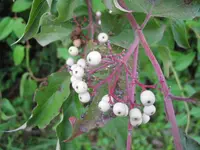
The shrub provides layered cover and nesting sites for many songbirds and small mammals, while its white berries are eaten by birds such as thrushes and waxwings. The plant also hosts several specialist moth and butterfly larvae that feed on its leaves.

Cornus sericea can regenerate vigorously after being cut back or damaged by flooding or ice, often resprouting from the base and underground stems to form new thickets that help it quickly reclaim disturbed riparian habitats.
This shrub naturally forms thickets using underground stems called stolons, so it can spread widely over time. In gardens, edging, root barriers, or regular removal of suckers helps keep it within a defined area.
Keep your plants happy and healthy with plant identification, disease detection, and easy care guidance.