


Best Soil for Jewel Orchid (Ludisia discolor)

For Ludisia discolor, a loose, moisture-retentive yet airy mix supports healthy roots and steadier overall growth.

Soil Texture

Loamy, Peaty, Organic-rich

Soil pH

Acidic (5.5–6.5)

Soil Drainage

Moist but well-drained

Ludisia discolor Soil Guide

Native to Southeast Asia, Ludisia discolor grows on shaded forest floors where leaf litter breaks down into loose, humus-rich ground. That setting stays evenly damp but not stagnant, so the roots are adapted to steady moisture with plenty of air around them.

The best soil for Jewel Orchid feels soft, loamy, and organic-rich rather than dense or coarse. A lightly acidic, moisture-retentive substrate suits its shallow, spreading growth, while good drainage helps keep the root zone oxygenated. This balance supports steady uptake of water without waterlogging the roots.

A homemade mix gives more control over texture and moisture balance for Ludisia discolor. The goal is even moisture with enough air around the roots.

100% total mix = 20 scoops
10%
compost or leaf mold2 scoops
20%
perlite or pumice4 scoops
30%
fine orchid bark6 scoops
40%
peat moss or coco coir8 scoops

The finished blend should feel soft, springy, and slightly fluffy, holding some moisture while letting extra water move through without staying soggy.

This species can be sensitive when the root zone stays stale or compressed for too long. Check the growing medium when growth slows or the surface changes noticeably.

Compacted mix:

Compacted mix: if the surface crusts over or water stops moving in evenly, gently loosen only the top layer and plan to replace the medium soon.

Sour-smelling soil:

Sour-smelling soil: a musty or swampy odor suggests low oxygen in the root zone, so improve airflow around the pot and let excess moisture drain fully.

Fast-drying medium:

Fast-drying medium: if the mix shrinks from the pot sides or dries patchily, rehydrate it gradually and check whether the organic part has broken down.

Fungus gnats:

Fungus gnats: persistent small flies around Jewel Orchid soil often point to overly damp surface layers, so remove debris and allow the top to dry slightly more between checks.

Get the Soil Right

Botan helps match this plant to a more suitable soil setup, so it is easier to choose a mix that fits its root habits.

FAQ

Yes. Drainage holes help excess water leave the pot and keep air in the root zone, which is important for preventing stale, heavy conditions in the potting mix for Jewel Orchid.

More Plant Soil Guides

Check What the Soil Is Doing

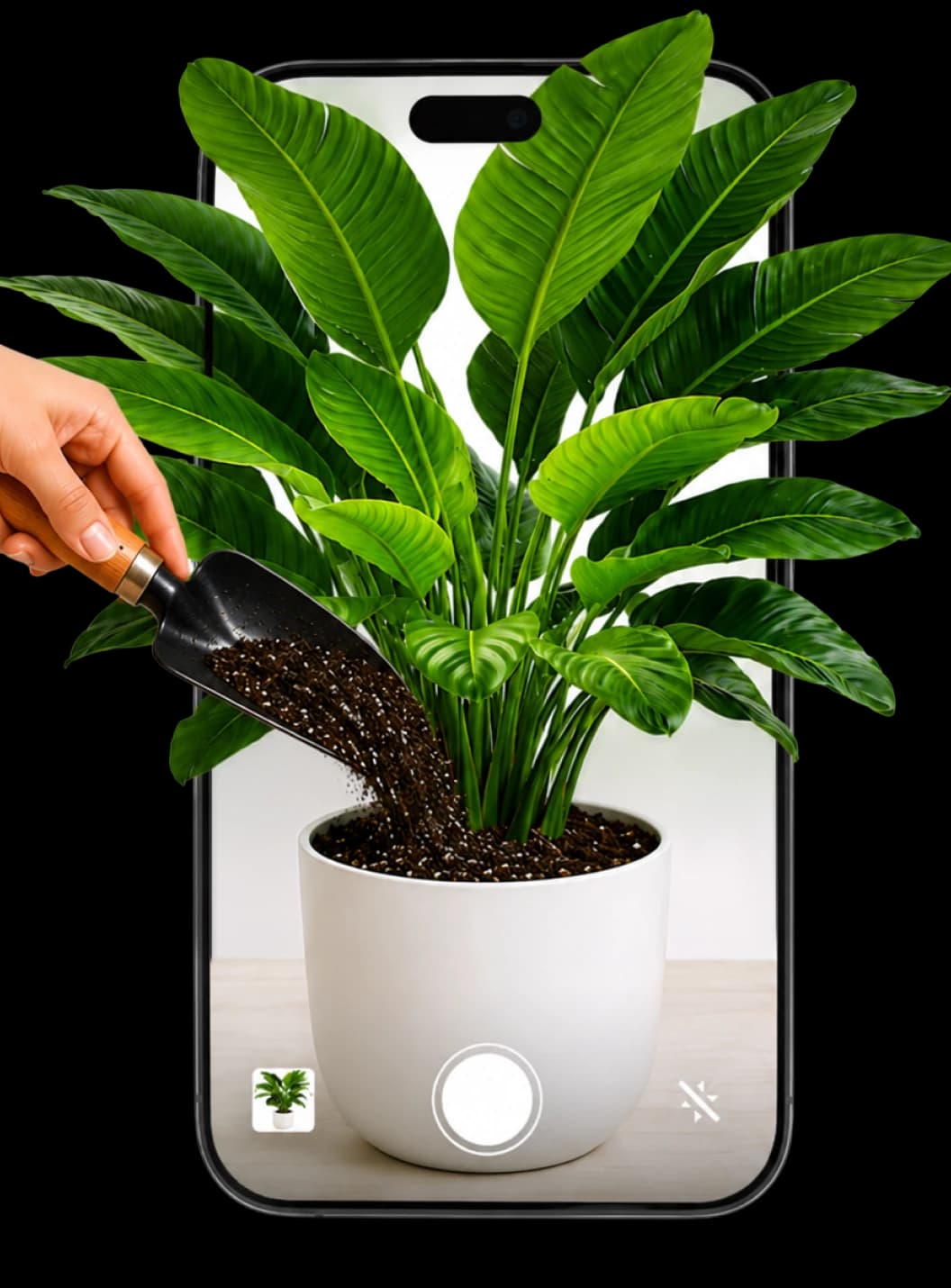
Botan can help assess visible changes and show whether the growing medium may be part of the issue from a photo and care context.

Botan app helping with soil and plant care
Top 15 Fast-Growing Trees For Your Garden

13 min read · 28 Jul 2026

Top 15 Fast-Growing Trees For Your Garden

Learn which of the 15 fastest-growing trees will suit your area. We’ll share detailed information on each: growth rate, mature spread, key tree demands, and main vulnerabilities. Read on and make the best choice possible.

Plant Recommendations
Top 15 Fast-Growing Trees For Your Garden
How to Repot a Plant: A Step-by-Step Guide

7 min read · 28 May 2026

How to Repot a Plant: A Step-by-Step Guide

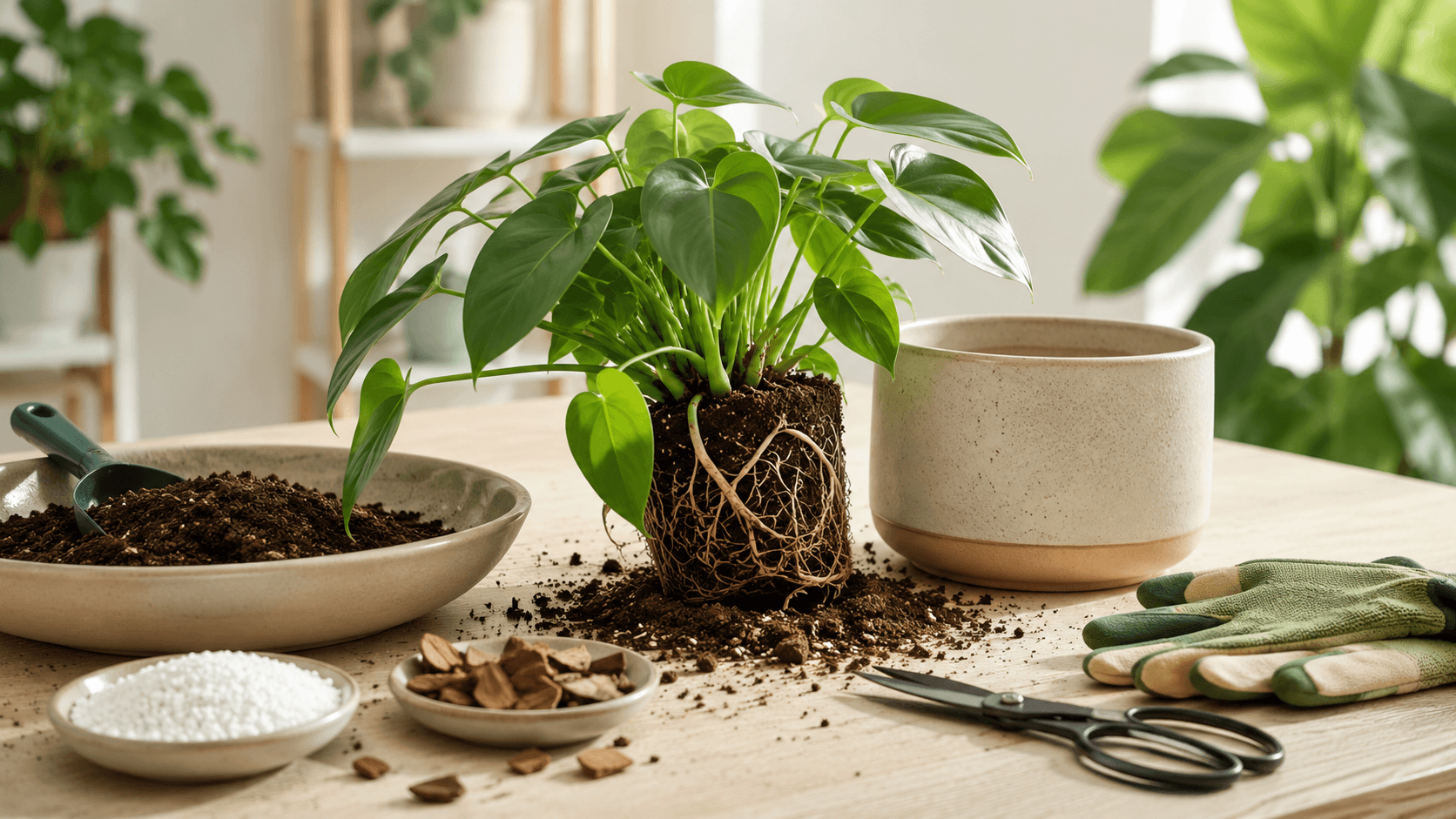
In spring, many plants need repotting—an essential part of care. To avoid stress, consider the plant’s type and size. This article offers a step-by-step guide for repotting indoors or outdoors and shows how to check plant health and get care tips using the Botan app.

Plant Care
How to Repot a Plant: A Step-by-Step Guide
Best Time to Water Grass in Summer – Lawn Watering Tips

5 min read · 21 Jul 2026

Best Time to Water Grass in Summer – Lawn Watering Tips

Summer watering is easy to get wrong. This guide explains when to turn on your sprinkler, how much liquid your grass needs each week, and how to tell if you're overwatering or underwatering.

Plant Care
Best Time to Water Grass in Summer – Lawn Watering Tips