


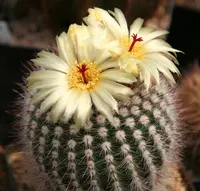
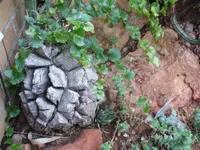

Best Soil for Cactus (Parodia ottonis)

A gritty, fast-draining mix with a slightly acidic to neutral pH helps Parodia ottonis keep roots healthy and well aerated.

Soil Texture

Sandy, Loamy, Rocky

Soil pH

Slightly acidic (6.5–7.0), Neutral (7.0)

Soil Drainage

Well-drained

Parodia ottonis Soil Guide

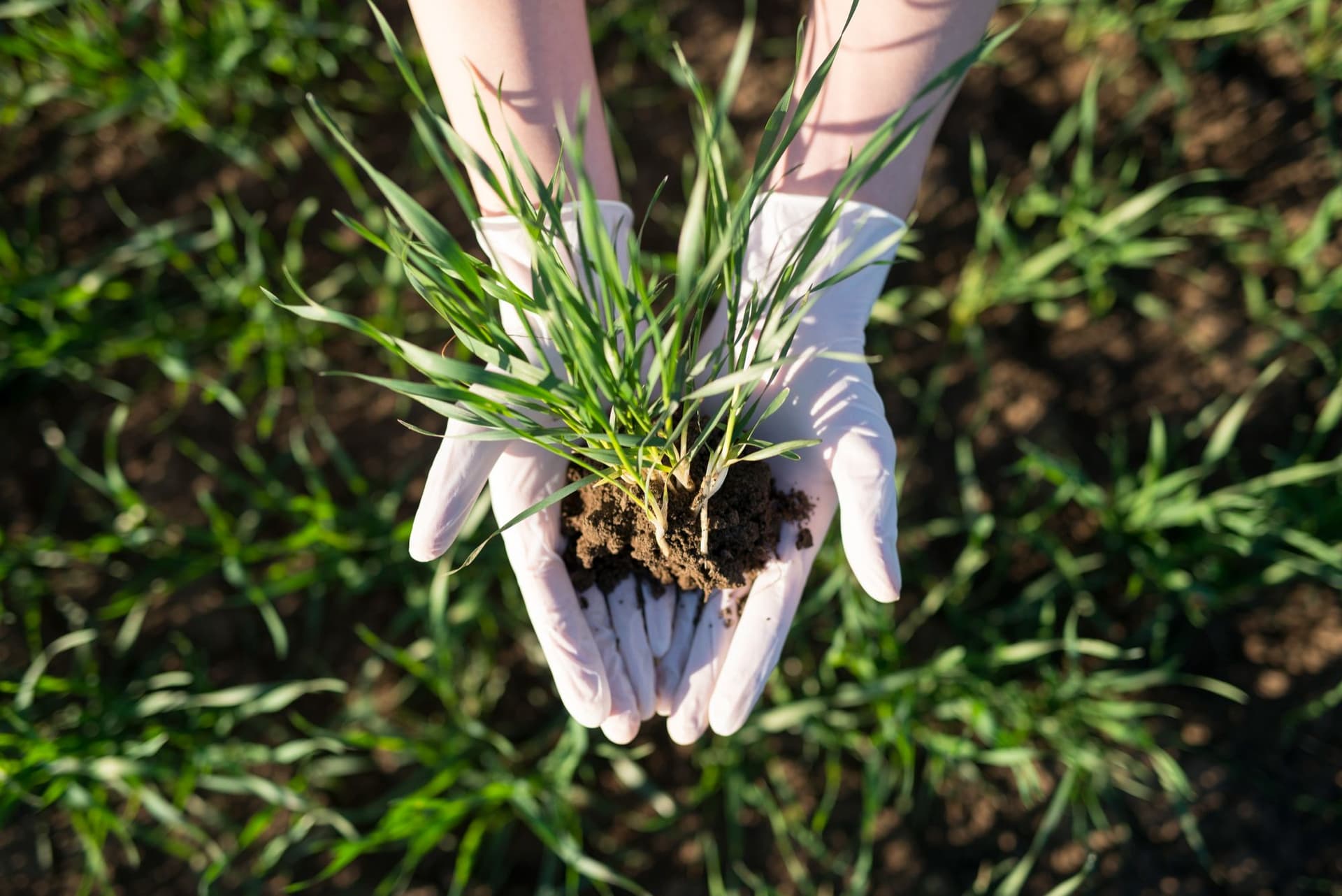
Native to southern Brazil, Uruguay, Paraguay, and northeastern Argentina, Parodia ottonis grows in open, sunny ground with sandy, loamy, or rocky soils that shed water quickly. That background explains why the best soil for Cactus is loose and strongly drainable rather than rich or moisture-holding.

Its roots are relatively fine and shallow, so they benefit from air around them and brief moisture that passes through fast. A mineral-leaning, well-drained substrate with a slightly acidic to neutral reaction suits steady root function without staying wet for long.

A homemade mix gives more control over texture and drainage than many standard bagged blends. For Parodia ottonis, aim for a gritty mix that still holds a little moisture between waterings.

100% total mix = 20 scoops
15%
small gravel or crushed granite3 scoops
20%
perlite or pumice4 scoops
30%
cactus potting soil6 scoops
35%
coarse sand7 scoops

The finished blend should feel open, crumbly, and gritty, with water moving through quickly instead of pooling around the root zone.

A good target for this species is about 6.5–7.0 pH. That places it in slightly acidic to neutral soil, which supports steady nutrient availability without pushing the root zone too far in either direction.

Cactus can usually handle small variation around that range, but extremes may limit how well roots take up key nutrients. Keeping pH near neutral helps the mix stay chemically balanced over time.

This species is more sensitive to stale, airless root conditions than to lean soil. Soil can be one contributing factor worth checking when growth or firmness changes.

Compaction:

Dense media that hardens after watering can reduce airflow to roots; gently replace the mix with a looser one and avoid pressing it down firmly.

Staying wet too long:

If the container feels heavy for days and the surface remains damp, improve drainage and check that excess water can leave freely.

Mineral buildup:

A crust on the soil surface or pot edge can signal accumulated salts; scrape off the top layer and refresh with cleaner mix.

Debris on the surface:

Trapped dead material can slow drying around the base of Cactus; clear it away so the surface stays open and better ventilated.

Better Soil Starts Here

Botan helps match this plant to a more suitable substrate so soil choices are based on real care needs, not a generic houseplant mix.

FAQ

Yes. Drainage holes let excess water leave the container instead of collecting around the roots. For this species, that is one of the simplest ways to keep Cactus soil from staying wet too long.

More Plant Soil Guides

Check Your Soil Choice

If your plant looks off, Botan’s photo-based assessment can help you check whether soil conditions may be one factor worth reviewing.

Botan app helping with soil and plant care
Best Fertilizer for Vegetable Gardens – What to Use for Each Plant

11 min read · 20 Jul 2026

Best Fertilizer for Vegetable Gardens – What to Use for Each Plant

Here, you’ll find the right fertilizer formula for vegetables in your garden. Learn how to adjust feeding correctly throughout the growing cycle, spot nutrient deficiencies by their symptoms, and keep your plants healthy and prolific.

Plant Recommendations
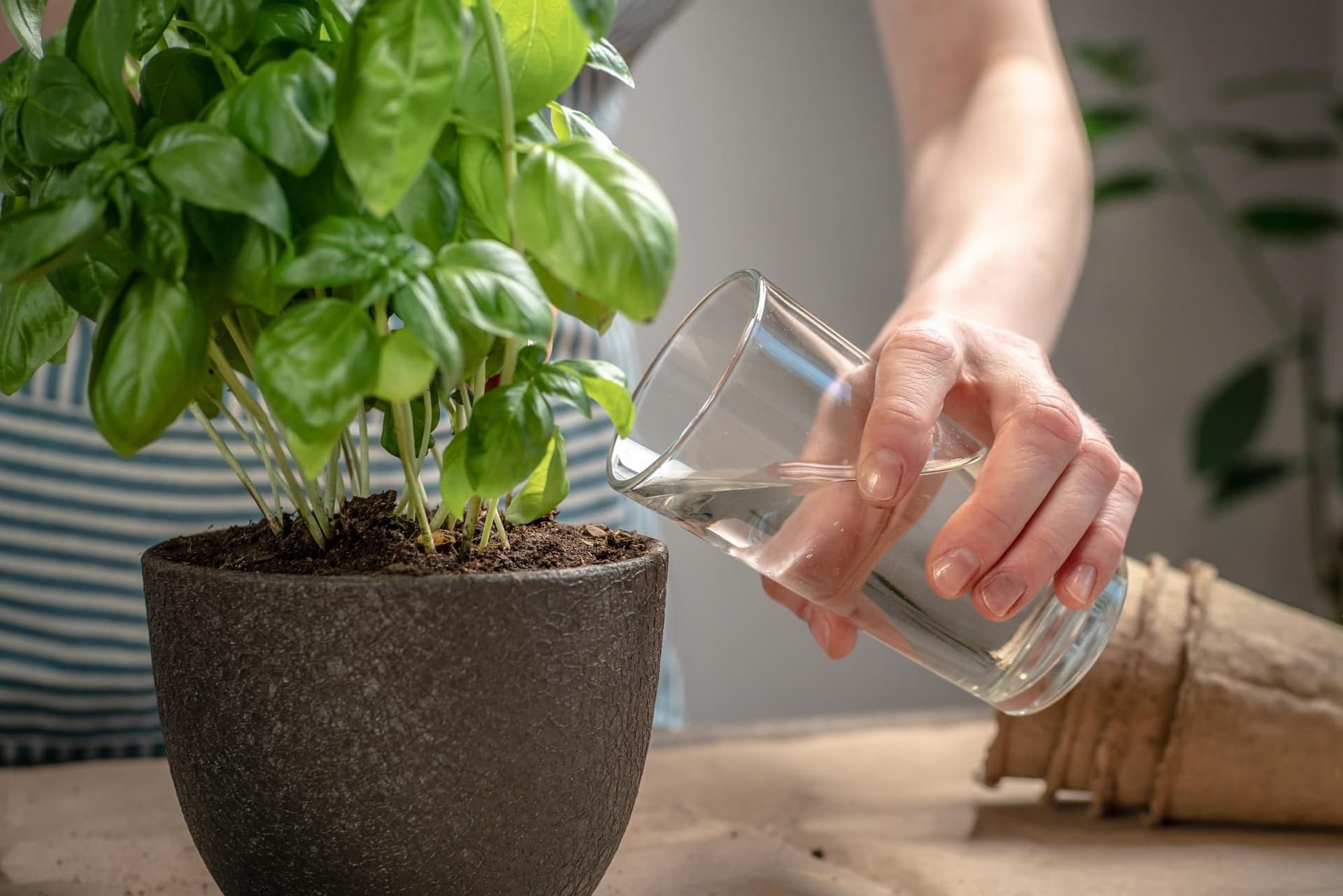
Best Fertilizer for Vegetable Gardens – What to Use for Each Plant
Best Water for Plants – How to Choose the Right Type

7 min read · 13 Aug 2026

Best Water for Plants – How to Choose the Right Type

Rainwater, filtered, distilled, and tap water affect plants differently. Learn which types support healthy growth and which cause slow damage. Match each to your plants and discover how to easily improve tap water quality.

Plant Care
Best Water for Plants – How to Choose the Right Type
Planting Grass Seed in Summer – What Works and What Fails

7 min read · 6 Aug 2026

Planting Grass Seed in Summer – What Works and What Fails

Summer seeding succeeds when the grass type suits the season, and the soil stays moist. Find out how to prepare the seedbed and choose a safe window for planting.

Plant Care
Planting Grass Seed in Summer – What Works and What Fails