


Best Soil for Purple Heart (Tradescantia pallida)

Loose, well-drained soil helps Tradescantia pallida keep healthy roots while still holding enough moisture for steady growth.

Soil Texture

Sandy, Loamy, Organic-rich

Soil pH

Acidic (5.5–6.5), Slightly acidic (6.5–7.0)

Soil Drainage

Well-drained

Tradescantia pallida Soil Guide

Native to the Gulf Coast region of eastern Mexico, Tradescantia pallida grows in warm, bright conditions where soil drains freely after rain. That background explains why it prefers a loose, airy substrate that does not stay heavy or compacted around the roots.

The best soil for Purple Heart is lightly moist but well-drained, with a sandy-loamy feel and some organic matter. Its roots spread close to the surface and benefit from oxygen as much as moisture, so the substrate should hold some water without becoming dense or soggy.

A simple homemade blend can give Tradescantia pallida the balance of airflow and moisture control it needs in a container.

100% total mix = 20 scoops
15%
coco coir or compost3 scoops
20%
pine bark fines4 scoops
25%
perlite or pumice5 scoops
40%
high-quality potting soil8 scoops

The finished mix should feel light, slightly springy, and crumbly in the hand, with water passing through readily instead of lingering.

A good target is 5.5–7.0 pH, with slightly acidic soil often giving the most reliable nutrient availability. That range helps key elements such as iron, manganese, and phosphorus stay easier for roots to absorb.

Purple Heart is fairly adaptable within that mildly acidic to near-neutral range, but extremes can limit uptake even when nutrients are present in the potting mix.

This species often grows quickly, so root-zone issues can show up after the soil structure changes or stays wet too long.

Compacted soil:

Dense, flattened mix can reduce airflow around roots and slow growth; gently loosen the surface and plan to refresh the medium if it stays heavy.

Waterlogged roots:

A sour smell or mix that stays soggy may point to poor oxygen levels; pause extra moisture and check whether drainage is being blocked.

Hydrophobic mix:

If dry soil shrinks from the pot edge and sheds water, rewet it gradually so the root ball can absorb moisture evenly again.

Salt buildup:

White crust on the soil surface can interfere with root function in Tradescantia pallida; scrape it off and flush the potting mix thoroughly once.

Better Soil Starts Here

Botan helps match this plant to a soil setup that suits its growth habit, container conditions, and root needs.

FAQ

Yes. Drainage holes let excess water leave the container and help keep air in the root zone, which is important for maintaining the best soil for Purple Heart in practical conditions.

Everything About Purple Heart

More Plant Soil Guides

See If Soil Is the Issue

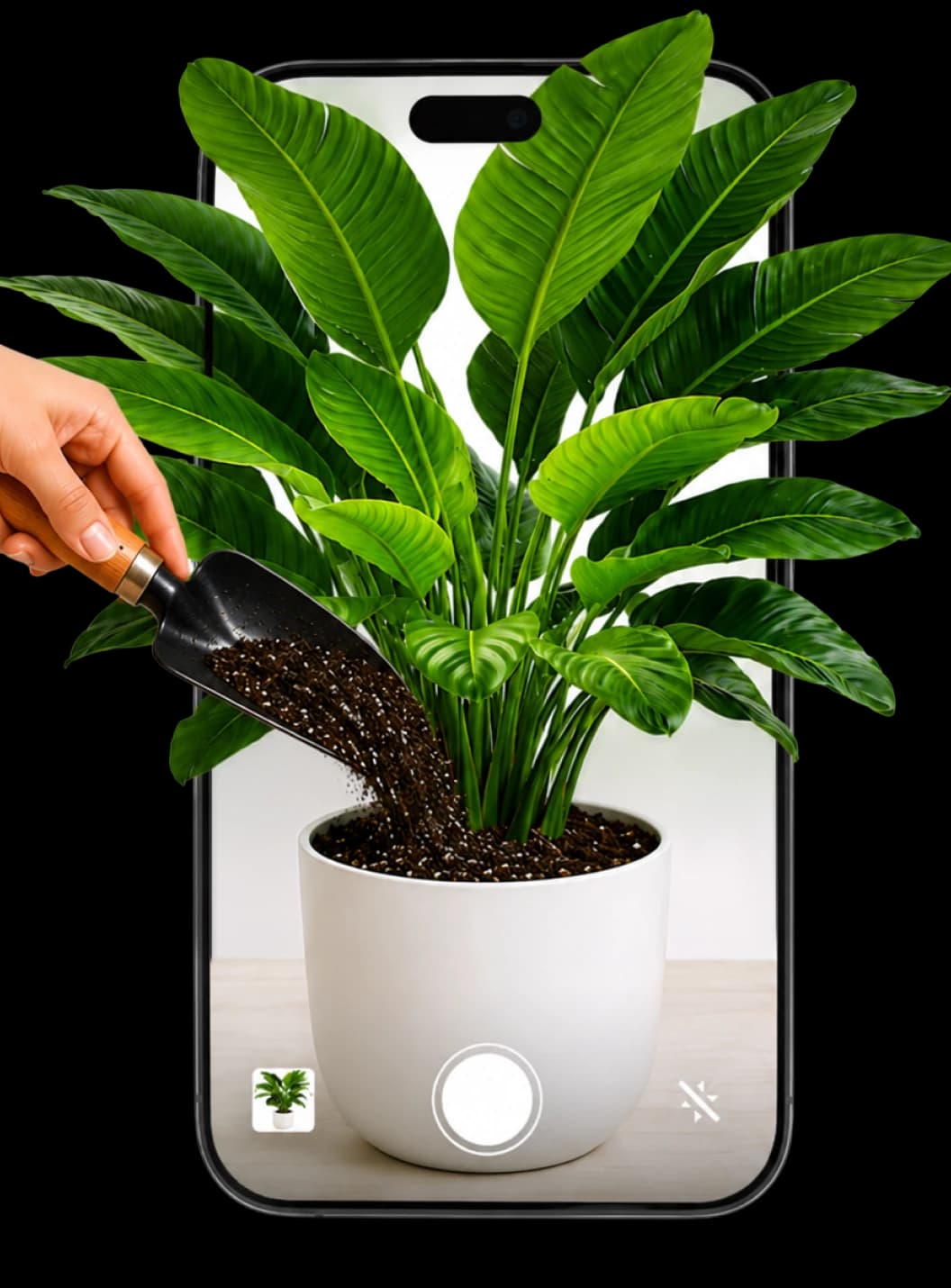
Botan’s photo-based assessment can help determine whether soil conditions may be part of the problem before making changes.

Botan app helping with soil and plant care
Frozen vs Fresh Vegetable Nutrients: Which Option Is Healthier?

6 min read · 8 Sept 2026

Frozen vs Fresh Vegetable Nutrients: Which Option Is Healthier?

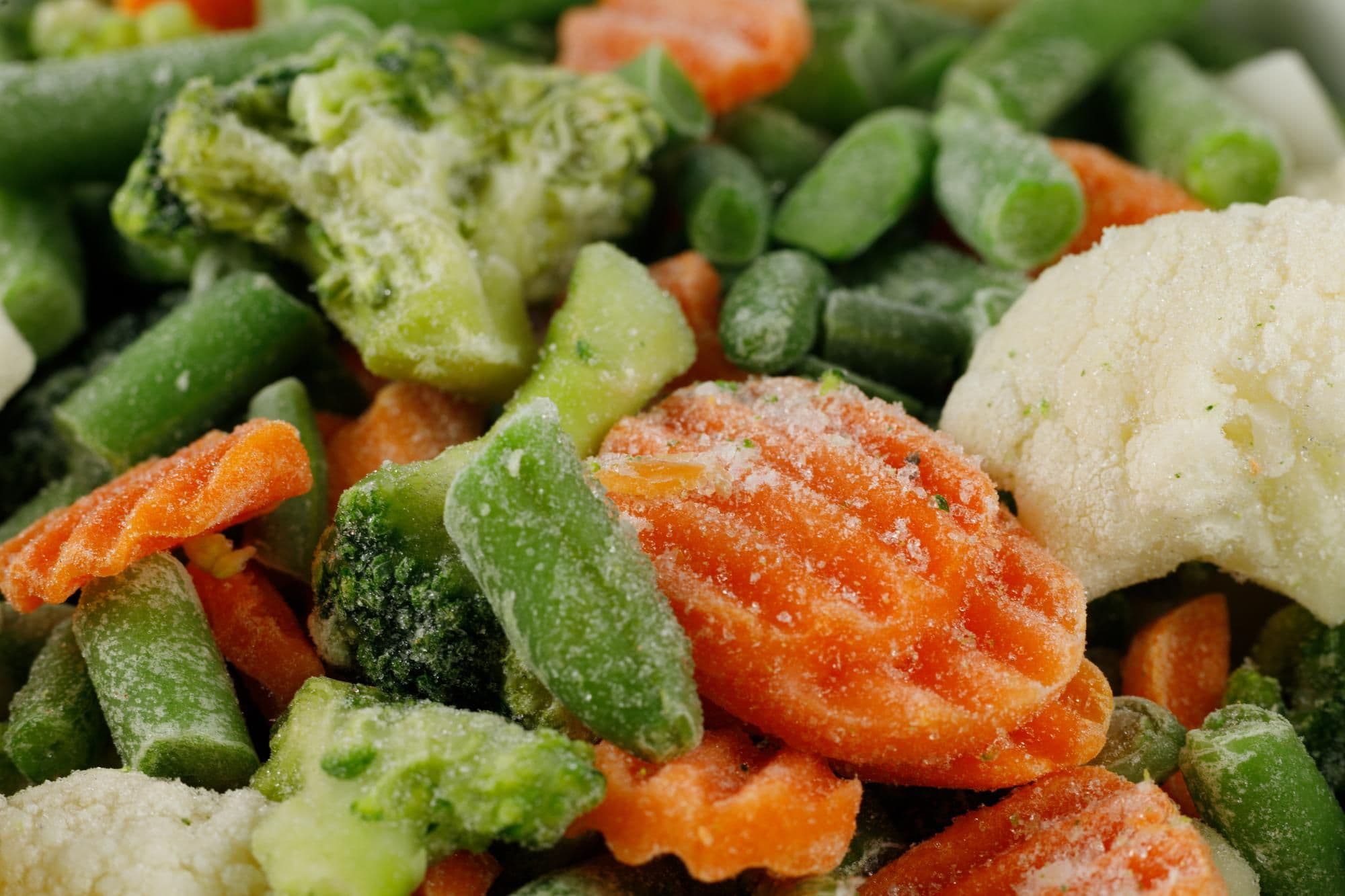
Frozen and fresh vegetables are nutritionally comparable: frozen produce often retains vitamins just as well as fresh and may sometimes contain more. Here’s how blanching and storage affect nutrients—and when to choose each.

Plant Recommendations
Frozen vs Fresh Vegetable Nutrients: Which Option Is Healthier?
12 Most Wanted Rare Houseplants to Grow at Home

6 min read · 21 Sept 2026

12 Most Wanted Rare Houseplants to Grow at Home

Rare houseplants can turn an ordinary corner in your apartment into a living botanical collection. This guide covers 12 most admired picks, what makes them special, and how to grow them successfully at home.

Plant Recommendations
12 Most Wanted Rare Houseplants to Grow at Home
Dill Companion Plants – What to Grow Next to Dill

9 min read · 17 Jul 2026

Dill Companion Plants – What to Grow Next to Dill

Dill is an easy-to-grow plant that gets along well with many vegetables. This guide describes 15 plants that can be planted alongside it, a few to avoid, and mistakes that can quietly sabotage the entire process.

Plant Recommendations
Dill Companion Plants – What to Grow Next to Dill