Best Soil for Peace Lily (Spathiphyllum wallisii)

A loose, organic-rich mix helps Spathiphyllum wallisii maintain healthy roots by balancing moisture retention, airflow, and gentle acidity.

Soil Texture

Loamy, Peaty, Organic-rich

Soil pH

Acidic (5.5–6.5), Slightly acidic (6.5–7.0)

Soil Drainage

Moist but well-drained

Spathiphyllum wallisii Soil Guide

Native to tropical parts of Central and South America, Spathiphyllum wallisii grows on shaded forest floors where fallen plant material keeps the ground loose, rich, and lightly acidic. Those conditions explain why Peace Lily soil should feel moisture-retentive without becoming dense or stagnant.

Its roots prefer steady access to both water and air. A loamy, peaty, organic-rich substrate suits this balance because it holds even moisture while still draining well enough to leave small air spaces around the root zone. That structure supports healthy root function in typical indoor conditions.


A simple custom mix gives Spathiphyllum wallisii the balance of moisture retention and airflow it needs without becoming dense over time.

100% total mix = 20 scoops
10%
fine orchid bark2 scoops
20%
perlite or pumice4 scoops
30%
high-quality potting soil6 scoops
40%
peat moss or coco coir8 scoops

The finished blend should feel light, springy, and slightly crumbly, holding some moisture while excess water moves through without pooling.

A good target is 5.5–6.8 pH. This places the soil in the acidic to slightly acidic range, which suits Peace Lily and supports steady access to key nutrients.

Slight variation on either side is usually manageable, but strongly alkaline soil can reduce nutrient availability over time. Keeping the mix near mildly acidic conditions helps roots take up what they need more efficiently.

This species can react quickly when the root zone stays stressed for too long. Peace Lily often struggles more with stale, airless conditions than with a slightly imperfect mix.

Compacted soil:

Compacted soil: the surface dries slowly and the mix feels dense, so gently loosen only the top layer and plan to replace the medium if it no longer fluffs up.

Poor drainage:

Poor drainage: water sits in the container or the soil stays heavy for days, so check drainage holes and move the plant into a faster-draining setup if needed.

Salt buildup:

Salt buildup: a pale crust on the surface can point to mineral residue, so scrape off the top layer and refresh with clean mix.

Fungus gnats:

Fungus gnats: frequent tiny flies around the pot often mean the surface stays damp too long, so let the top layer dry a bit more between checks and remove debris.

Scan for Better Soil

Botan can help identify the plant and guide a more suitable soil choice based on how this species typically grows.

FAQ

Yes. Drainage holes help excess water leave the container, which lowers the risk of stagnant conditions around the roots and keeps the potting mix more balanced over time.

Everything About Peace Lily

More Plant Soil Guides

See If Soil Is the Issue

Use Botan’s photo-based assessment to check whether soil conditions may be contributing to the issue and what to review next.

Botan app helping with soil and plant care
Rice Water for Plants – Which Plants Love It and How to Make It

8 min read · 14 Jul 2026

Rice Water for Plants – Which Plants Love It and How to Make It

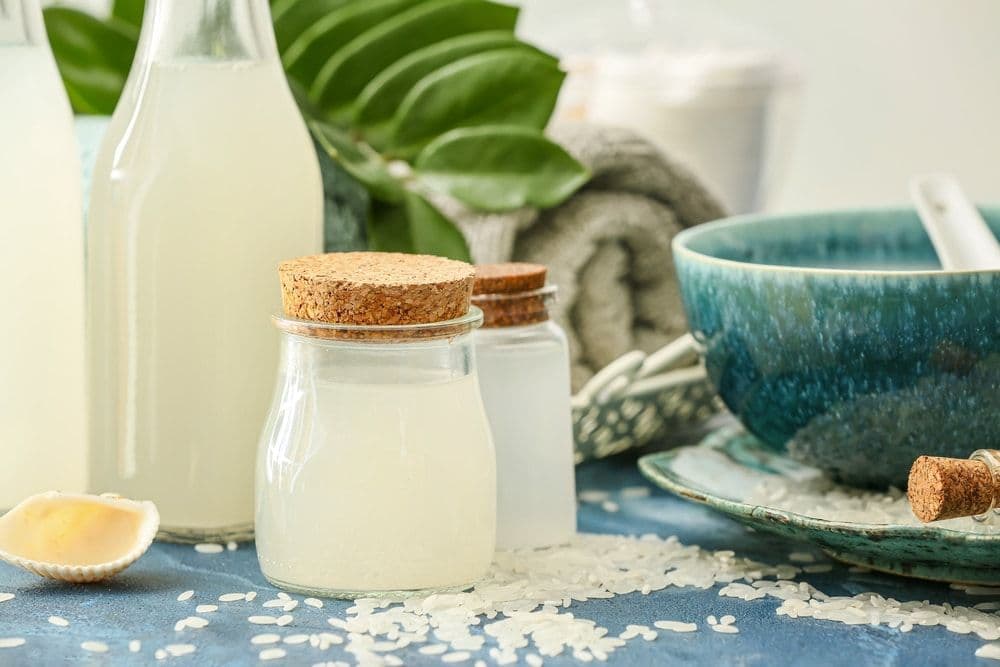
Rice water can be an ideal DIY solution for orchids, roses, or fruiting plants. It supports growth, leaf count, and height. We’ll share how to make and apply it correctly for your plant.

Plant Care
Rice Water for Plants – Which Plants Love It and How to Make It
Best Fertilizer for Grass in Summer: How to Choose the Right One

6 min read · 18 Aug 2026

Best Fertilizer for Grass in Summer: How to Choose the Right One

The right fertilizer in summer can make a lawn thrive. The wrong one can damage it. Here, you’ll learn the best NPK ratios by grass type, when and how to apply your formula, and how to recognize the signs of over- or under-fertilizing.

Plant Care
Best Fertilizer for Grass in Summer: How to Choose the Right One
Banana Peel Water for Plants: 5 Things to Know Before Trying It

5 min read · 9 Jul 2026

Banana Peel Water for Plants: 5 Things to Know Before Trying It

Banana water can provide potassium and some nutrients that may support plant growth, but it is not a universal fix. Use it carefully and only when the plant actually shows signs of nutrient deficiency rather than as a routine treatment.

Plant Care
Banana Peel Water for Plants: 5 Things to Know Before Trying It