

Peace Lily (Spathiphyllum wallisii) Watering Guide

This page explains when, how often, and how much to water your Spathiphyllum wallisii in straightforward terms.

Water Requirements

Keep Soil Moist

Spathiphyllum wallisii Watering

Native to humid tropical understories, this plant is adapted to evenly damp surroundings rather than long dry spells. Spathiphyllum wallisii grown indoors generally prefers soil that stays lightly moist, not soggy, most of the time.

As a result, watering Peace Lily centers on steady, moderate moisture that slowly dries slightly between waterings. This overview frames how to water Peace Lily before more specific guidance on indoor and, when relevant, outdoor conditions.

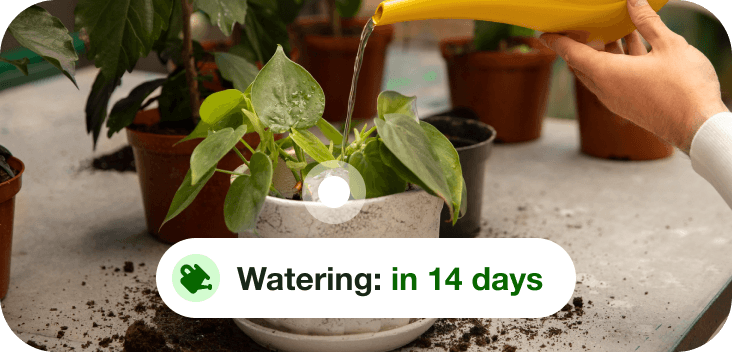
Water when the top 1–2 inches (3–5 cm) of soil feel dry, rather than on a fixed schedule. Indoors, this typically means about once a week in warm, bright conditions. Lower light or cooler rooms usually extend the interval, while higher temperatures shorten it.

Water Peace Lily when the top 1–2 inches (3–5 cm) of soil feel dry and the pot feels lighter.

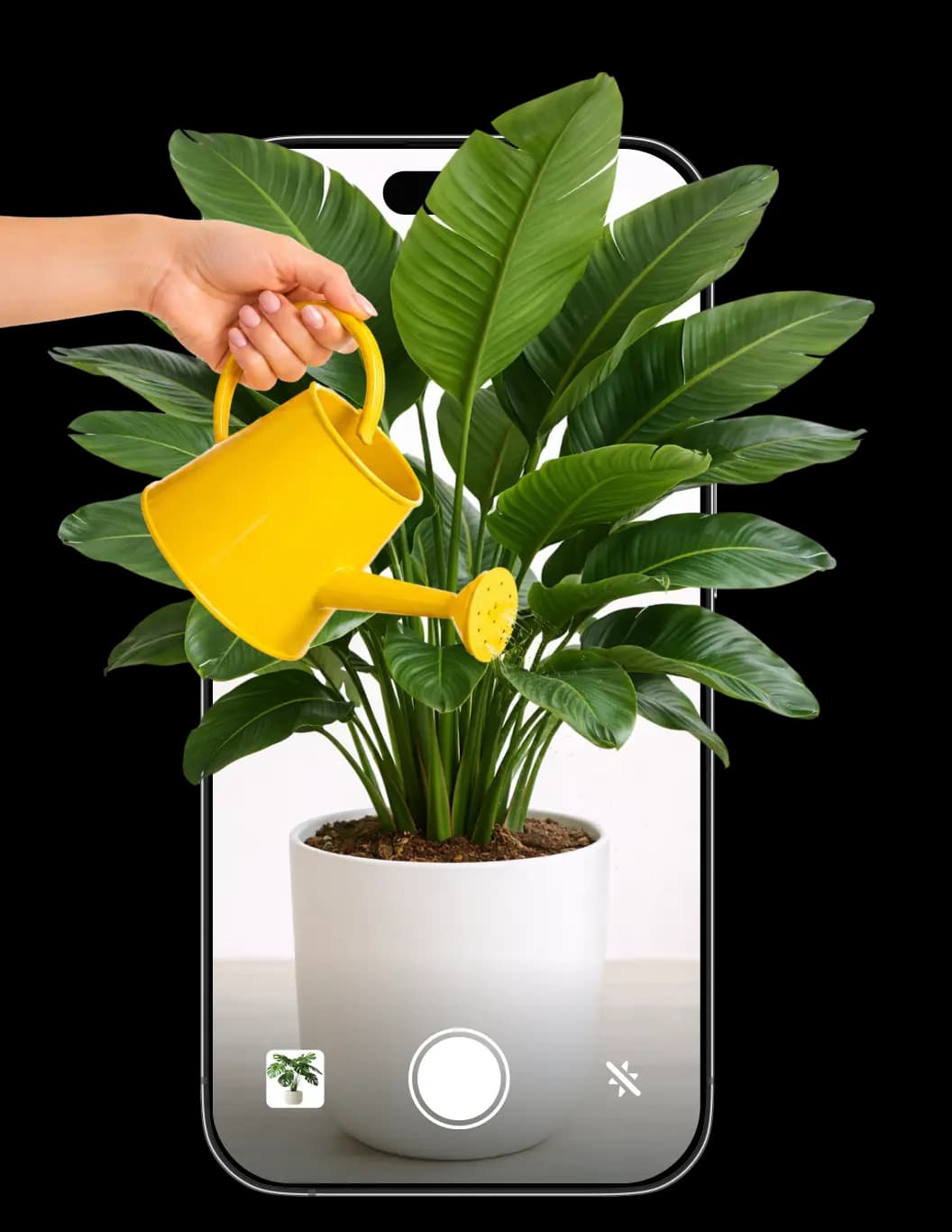
  • Pour room-temperature water slowly onto the soil surface around the base, avoiding the central crown and foliage.
  • Continue until moisture reaches all around the root zone and a small amount drains from the pot’s bottom holes.
  • Let the pot finish draining, then empty any saucer or cachepot so roots do not sit in leftover water.

Incorrect moisture around Spathiphyllum wallisii often leads to gradual decline and stress symptoms.

Yellowing Leaves:

Older foliage turns uniformly yellow from chronic overwatering, often combined with compacted, airless potting soil.

Brown Leaf Tips:

Crisp, brown edges appear when soil cycles between dryness and overfertilized, mineral-heavy irrigation water.

Sudden Leaf Wilting:

Limp foliage follows when roots suffocate in saturated soil or dry out between erratic waterings.

Mushy Roots:

Black, soft roots with sour odor indicate prolonged saturation and developing root-rot from poor drainage.

Keep soil evenly moist with good drainage, avoiding both prolonged saturation and extended dryness cycles.

Unsuitable watering habits can quickly stress Spathiphyllum wallisii, weakening growth and making peace lily foliage lose its usual lush look.

  • Watering by schedule: Following a fixed calendar ignores how fast the soil dries; instead, water when the top inch feels dry to the touch.
  • Heavy, dense potting mix: Using soil without perlite or bark holds excess moisture; switch to a loose, airy indoor mix that drains quickly.
  • Letting runoff sit: Leaving water in the saucer keeps roots constantly wet; empty saucers within 10–15 minutes after watering.

Aim for evenly moist, never soggy soil, adjusting watering to current light, temperature, and how fast the mix actually dries.

  • Spring: Growth resumes, so let the top inch of soil dry slightly faster between thorough waterings, adjusting if new leaves droop between cycles.
  • Summer: In warm, bright rooms, check moisture more often; water when the upper soil feels dry, but prevent the pot from standing in runoff.
  • Fall: As light and growth slow, lengthen the time between waterings while keeping the root zone evenly moist, not continually saturated.
  • Winter: With cooler temperatures and low light, reduce watering frequency, allowing the top layer to dry more before watering, especially in dim rooms.

Your Peace Lily Care Companion

Use Botan to get a clear watering guide and step‑by‑step care procedures for Spathiphyllum wallisii, plus gentle photo-based checks that help spot leaf or watering issues early.

Botan plant care app — identify plants on mobile

FAQ

Check soil 2–3 times a week. Water when the top 1–2 inches (3–5 cm) feel dry, more often in warm bright conditions, less in winter. Adjust how often to water by observing leaf droop and soil speed of drying.

Everything About Peace Lily

More Plant Watering Guides

Is Your Watering Routine Hurting Your Peace Lily?

Use Botan to review watering habits and see if adjustments might be helpful.

Watering a plant with a copper watering can
Rice Water for Plants – Which Plants Love It and How to Make It

8 min read · 14 Jul 2026

Rice Water for Plants – Which Plants Love It and How to Make It

Rice water can be an ideal DIY solution for orchids, roses, or fruiting plants. It supports growth, leaf count, and height. We’ll share how to make and apply it correctly for your plant.

Plant Care

Rice Water for Plants – Which Plants Love It and How to Make It
Best Fertilizer for Grass in Summer: How to Choose the Right One

6 min read · 18 Aug 2026

Best Fertilizer for Grass in Summer: How to Choose the Right One

The right fertilizer in summer can make a lawn thrive. The wrong one can damage it. Here, you’ll learn the best NPK ratios by grass type, when and how to apply your formula, and how to recognize the signs of over- or under-fertilizing.

Plant Care
Best Fertilizer for Grass in Summer: How to Choose the Right One
Banana Peel Water for Plants: 5 Things to Know Before Trying It

5 min read · 9 Jul 2026

Banana Peel Water for Plants: 5 Things to Know Before Trying It

Banana water can provide potassium and some nutrients that may support plant growth, but it is not a universal fix. Use it carefully and only when the plant actually shows signs of nutrient deficiency rather than as a routine treatment.

Plant Care
Banana Peel Water for Plants: 5 Things to Know Before Trying It