

Peace Lily Identification (Spathiphyllum wallisii)

To recognize Peace Lily, look for a stemless clump of glossy, lance-shaped leaves rising directly from the base on long stalks, usually about 12 to 24 inches (30 to 60 cm) tall.

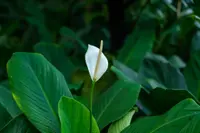
Its flower shows a white hood-like spathe around a short, upright cream spadix, held just above the leaves.

Spathiphyllum wallisii Identification

Identify Your Plant with Botan

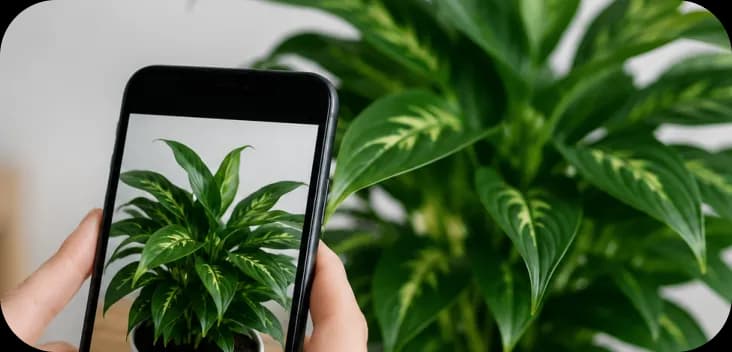
Check your plant ID by uploading a clear photo to Botan.

Clear images work best. Avoid photos taken too close or too far away

Check the overall shape and the flower structure first on Spathiphyllum wallisii.

  • Leaves rise in a tight basal clump, with no woody stem or trunk visible above the soil.
  • Blades are narrow to elliptic, glossy, and pointed, often about 6-12 inches (15-30 cm) long, with clear parallel side veins.
  • Each flower shows one white hood-like spathe around a short upright spadix, the finger-like spike of tiny flowers.
  • Flower stalks stand above or among the leaves, giving the plant a layered, fountain-like outline.

A stemless clump with arched leaves and a white spathe plus central spadix is a strong visual match.

Spathiphyllum wallisii shows clear visual changes from compact juvenile clumps to flowering maturity.

  • Juvenile plant: Juvenile plants form a tight basal clump of narrow, lance-shaped leaves on short stalks, with no visible flower stalks and a lower, denser outline.
  • Young plant: As the plant enlarges, leaves broaden and arch outward more clearly, and the clump begins to spread rather than staying strictly upright.
  • Mature plant: A mature clump often reaches about 1-3 feet (30-90 cm) tall, with longer leaf stalks and broader blades creating a layered fountain-like form.
  • Flowering stage: In flowering stage, upright stalks rise above or among the leaves, each carrying a white spathe around a pale spadix, unlike foliage-only stages.

Several Peace Lily selections are identifiable at a glance by leaf pattern or mature size.

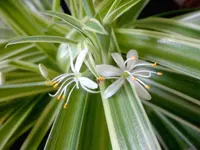
  • 'Domino': Leaves are irregularly marbled and speckled cream to white, unlike the plain green leaves of the typical form.
  • 'Sensation': A much larger plant, often reaching 4 to 6 feet (1.2 to 1.8 m) tall, with broad, strongly ribbed leaves.
  • 'Petite': A dwarf form that stays much smaller, often around 12 to 18 inches (30 to 45 cm) tall, with shorter, narrower leaves.

A few aroids are regularly mistaken for Peace Lily.

anthurium(Anthurium andraeanum)

Often confused because both have glossy, dark green leaves and a white spathe-like bloom. Anthurium has a waxy, heart-shaped spathe with a straight finger-like spadix; Spathiphyllum wallisii has a narrower hooded spathe and usually a shorter, thicker spadix.

calla lily(Zantedeschia aethiopica)

Confusion comes from the white funnel-like spathe around a central spike. Calla lily leaves usually arrow-shaped and often grow on longer upright stalks from a more open clump, while Spathiphyllum wallisii has broader elliptic leaves in a denser basal rosette.

Spathiphyllum wallisii is native to tropical northwestern South America, especially Colombia and nearby parts of Panama, where it occurs in humid forest understory. This habitat is useful for identification because true S. wallisii is a forest-floor aroid from shaded, moist lowland to foothill sites, not a plant of open grassland, dry scrub, or coastal dunes. That narrows it away from unrelated houseplants with similar leaves.

  • Ingestion risk: Leaves and stems contain insoluble calcium oxalate crystals. Chewing or swallowing them can irritate the mouth, tongue, and throat in humans and pets.
  • Pet toxicity: Cats and dogs are commonly affected by leaf or stem ingestion. The main issue is oral irritation rather than systemic poisoning.
  • Sap contact: Sap from cut leaves or stems can irritate skin in some people after contact, especially with repeated handling.

Check Your Plant ID

Upload a photo to Botan for a quick second opinion and reduce mix-ups before you label or buy another one.

FAQ

Yes. This plant is usually identified by its glossy, dark green leaves and the white spathe surrounding a pale spadix, not by fruit. For Peace Lily identification, fruit is rarely needed or commonly seen indoors.

More Plant Identification Guides

Scan Your Plant. Get the Details.

Use Botan to identify it from a photo, then see care information, common problems, and safety notes for that species.

Botan app identifying a plant from a photo
Plant Pot Sizes: How to Choose the Right Plant Container

7 min read · 20 Aug 2026

Plant Pot Sizes: How to Choose the Right Plant Container

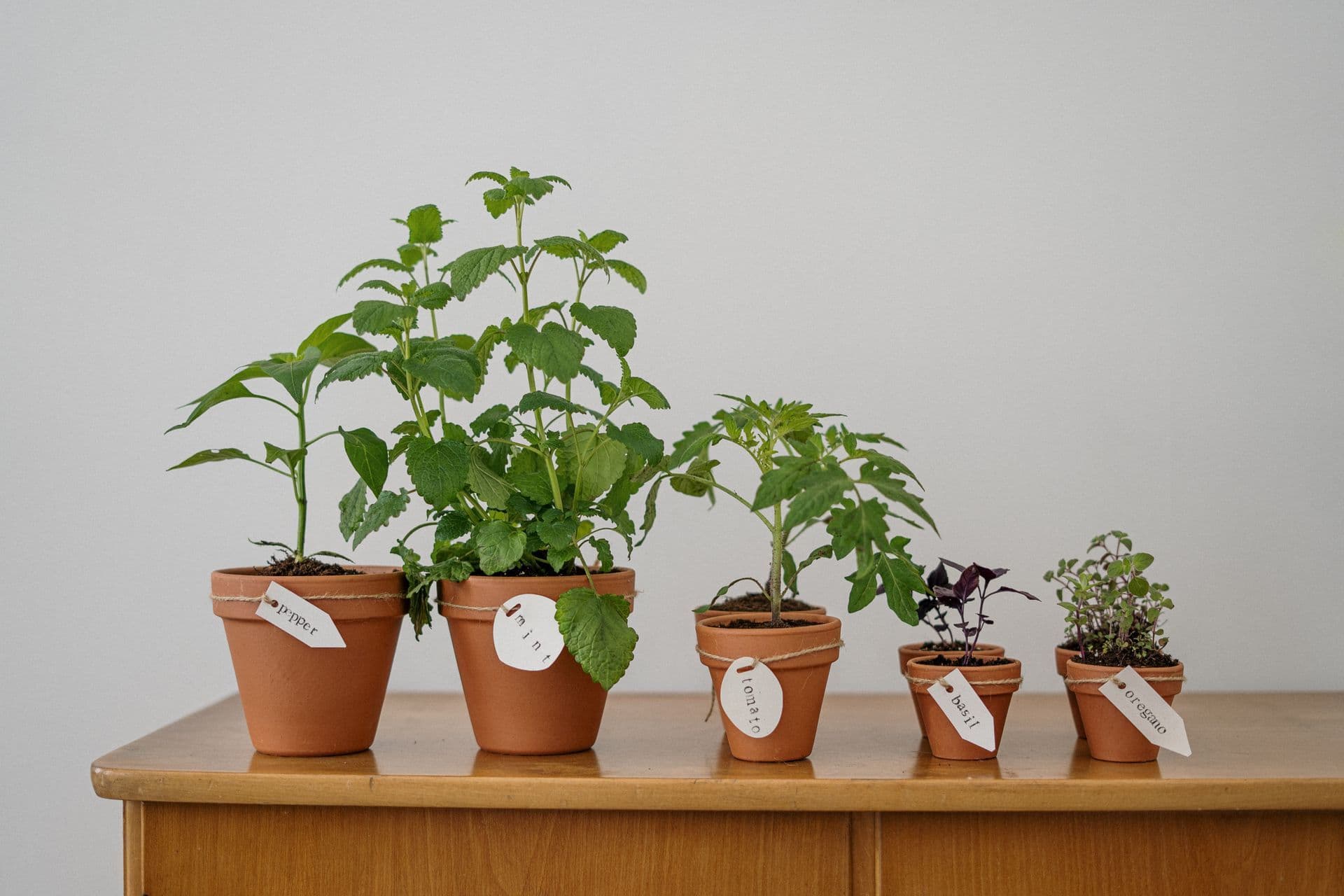
Plant pot sizes can be confusing because the number on the label only tells you part of the required information. A container may look spacious but actually be too shallow. So, how to choose pot size for plant species?

Beginner Guides
Plant Pot Sizes: How to Choose the Right Plant Container
How to Bottom Water Plants: Complete Guide

6 min read · 13 Jul 2026

How to Bottom Water Plants: Complete Guide

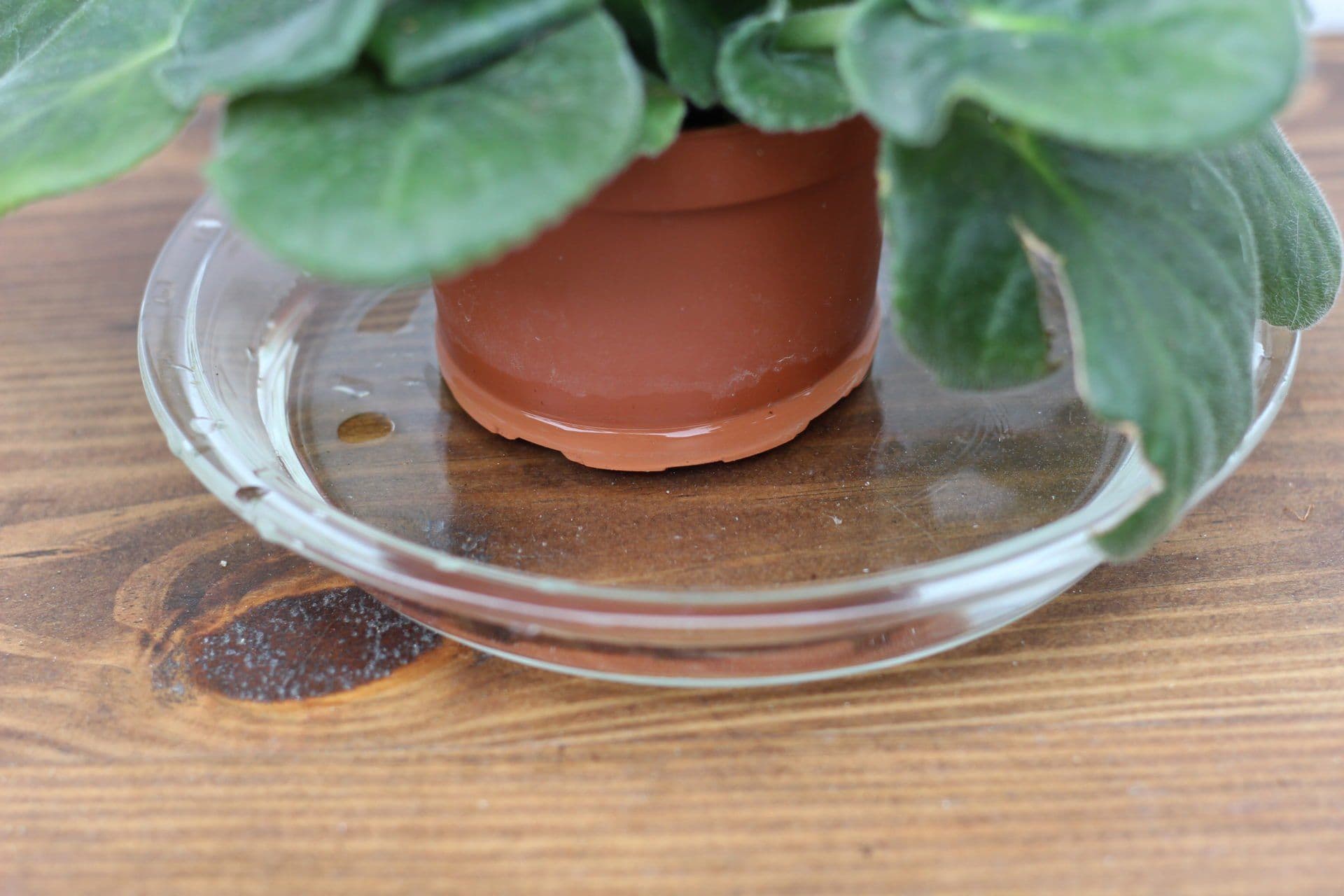
Bottom watering helps soil absorb moisture evenly and keeps foliage dry, reducing the risk of missed dry spots or root problems. Place the pot in a tray of water for a short time, then let it drain well.

Plant Care
How to Bottom Water Plants: Complete Guide
Frozen vs Fresh Vegetable Nutrients: Which Option Is Healthier?

6 min read · 8 Sept 2026

Frozen vs Fresh Vegetable Nutrients: Which Option Is Healthier?

Frozen and fresh vegetables are nutritionally comparable: frozen produce often retains vitamins just as well as fresh and may sometimes contain more. Here’s how blanching and storage affect nutrients—and when to choose each.

Plant Recommendations
Frozen vs Fresh Vegetable Nutrients: Which Option Is Healthier?