Best Soil for pineapple guava (Feijoa sellowiana)

Feijoa sellowiana grows best in loose, well-drained soil with some organic matter, which supports healthy roots and steady growth.

Soil Texture

Sandy, Loamy, Organic-rich

Soil pH

Acidic (5.5–6.5), Slightly acidic (6.5–7.0)

Soil Drainage

Well-drained

Feijoa sellowiana Soil Guide

Native to southern Brazil, Uruguay, Paraguay, and northern Argentina, Feijoa sellowiana grows in mild subtropical conditions where soils are often loose, well-aerated, and not waterlogged. That background explains its preference for soil that drains reliably while still holding some steady moisture.

The best soil for pineapple guava is sandy or loamy with good organic content. This texture gives roots oxygen and room to spread, while organic matter helps the soil stay evenly moist without becoming dense. Slightly acidic to mildly acidic conditions also suit healthy root function and nutrient uptake.

A simple homemade blend can give Feijoa sellowiana the balance of airflow and moisture retention it prefers in containers or raised beds.

100% total mix = 20 scoops
15%
perlite or pumice3 scoops
20%
coarse sand4 scoops
25%
pine bark fines or orchid bark5 scoops
40%
high-quality potting soil8 scoops

The finished mix should feel loose, gritty, and slightly springy, with water moving through readily but not disappearing instantly.

Pineapple guava grows best in slightly acidic to near-neutral soil, around 5.5–7.0 pH. In that range, key nutrients stay more available to the roots, which supports steady growth and balanced leaf development.

It can handle some variation, but strongly alkaline soil may reduce nutrient uptake over time. If the pH stays within the preferred range, the root zone tends to function more efficiently.

This species usually handles average garden conditions well, but roots can struggle when the soil environment stays out of balance for too long.

Compaction:

Compaction: Dense soil can slow root spread and leave the root zone short on air, so gently loosen the surface and work in a more open material next time soil is refreshed.

Poor drainage:

Poor drainage: If the mix stays soggy for long periods or the container feels heavy for days, improve drainage first by checking holes and switching to a faster-draining medium.

Hydrophobic soil:

Hydrophobic soil: Very dry organic mixes may repel water instead of absorbing it evenly, so rewet slowly in stages until the full root ball takes up moisture again.

Salt buildup:

Salt buildup: A crust on the soil surface or pot rim can point to mineral accumulation, and flushing the mix thoroughly is a practical first response for Feijoa sellowiana.

Soil Advice in Seconds

Botan helps match soil choices to your plant’s needs, so it is easier to pick a mix that supports healthier roots from the start.

FAQ

Yes. Drainage holes help excess water leave the container, which reduces the chance of waterlogged roots and stale soil. They matter even more in a heavier pineapple guava potting mix.

More Plant Soil Guides

Could It Be the Soil?

Soil may be part of the issue, especially when growth or root conditions seem off. A photo-based check in Botan can help narrow down possible causes.

Botan app helping with soil and plant care
How to Bottom Water Plants: Complete Guide

6 min read · 13 Jul 2026

How to Bottom Water Plants: Complete Guide

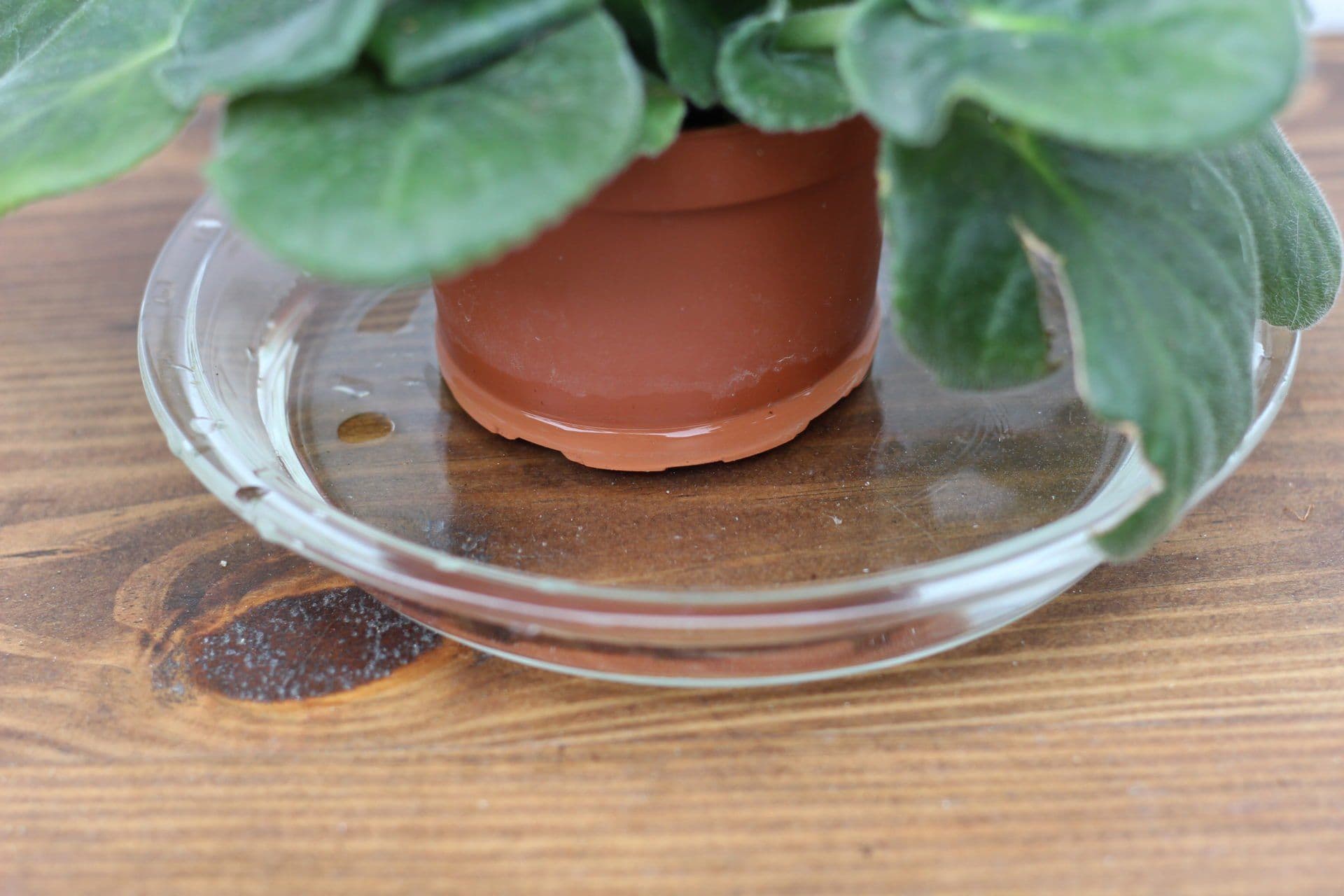
Bottom watering helps soil absorb moisture evenly and keeps foliage dry, reducing the risk of missed dry spots or root problems. Place the pot in a tray of water for a short time, then let it drain well.

Plant Care
How to Bottom Water Plants: Complete Guide
How To Revive a Dying Plant: 6 Steps To Bring A Plant Back To Life

6 min read · 1 Sept 2026

How To Revive a Dying Plant: 6 Steps To Bring A Plant Back To Life

Drooping leaves and brown tips don't always mean the end, and a weakened plant can often recover with a little help. These six simple steps will help you revive a dying plant and restore its health.

Plant Care
How To Revive a Dying Plant: 6 Steps To Bring A Plant Back To Life
Thorny Plants: A Comprehensive Guide

10 min read · 25 Aug 2026

Thorny Plants: A Comprehensive Guide

Many plants defend themselves with sharp thorns. This guide explores over 20 examples among flowers, shrubs, trees, and vines. You'll learn what each plant looks like, why it grows thorns, and how to quickly identify them.

Plant Recommendations
Thorny Plants: A Comprehensive Guide