



Best Soil for mangrove (Rhizophora apiculata)

Rhizophora apiculata grows best in moisture-retentive, acidic soil with a loose sandy-silty structure that supports root function and steady growth.

Soil Texture

Sandy, Silty, Organic-rich

Soil pH

Strongly acidic (4.5–5.5), Acidic (5.5–6.5)

Soil Drainage

Waterlogged tolerant

Rhizophora apiculata Soil Guide

Native to tropical coastal Southeast Asia, Rhizophora apiculata grows in intertidal mangrove forests where roots sit in soft, wet sediments shaped by tides. That habitat explains why mangrove soil should stay consistently saturated and can be silty, sandy, or rich in decayed organic matter rather than loose and fast-drying.

Its root system is adapted to low-oxygen, waterlogged ground, so the best soil for mangrove holds plenty of moisture while still having some structure around the roots. Slightly acidic conditions also suit the nutrient chemistry of its native coastal sediments.

A simple homemade blend can give Rhizophora apiculata the texture and moisture balance it handles best in containers.

100% total mix = 20 scoops
10%
coco coir2 scoops
25%
compost or well-rotted leaf mold5 scoops
30%
silt-rich topsoil6 scoops
35%
coarse sand7 scoops

The finished mix should feel heavy, soft, and slightly gritty, holding steady moisture while allowing slow, even movement through the pot.

This species handles saturated conditions well, but container soil can still drift out of balance. Problems are often tied to compaction, salt buildup, or stale root conditions.

Compacted mix:

Dense soil that turns pasty or airless can limit root activity, so gently loosen the surface and replace part of the container mix with a fresher, more open blend.

Salt buildup:

A crust on the surface or pot edge can point to accumulating minerals, so remove the crusted top layer and refresh with clean material.

Sour soil:

A swampy, unpleasant smell may suggest stagnant organic breakdown, so scrape away the top portion and check whether the middle has become overly sealed.

Rapid settling:

If the surface drops noticeably after planting, the mix may be decomposing too fast, so top up with a more stable medium and monitor root support.

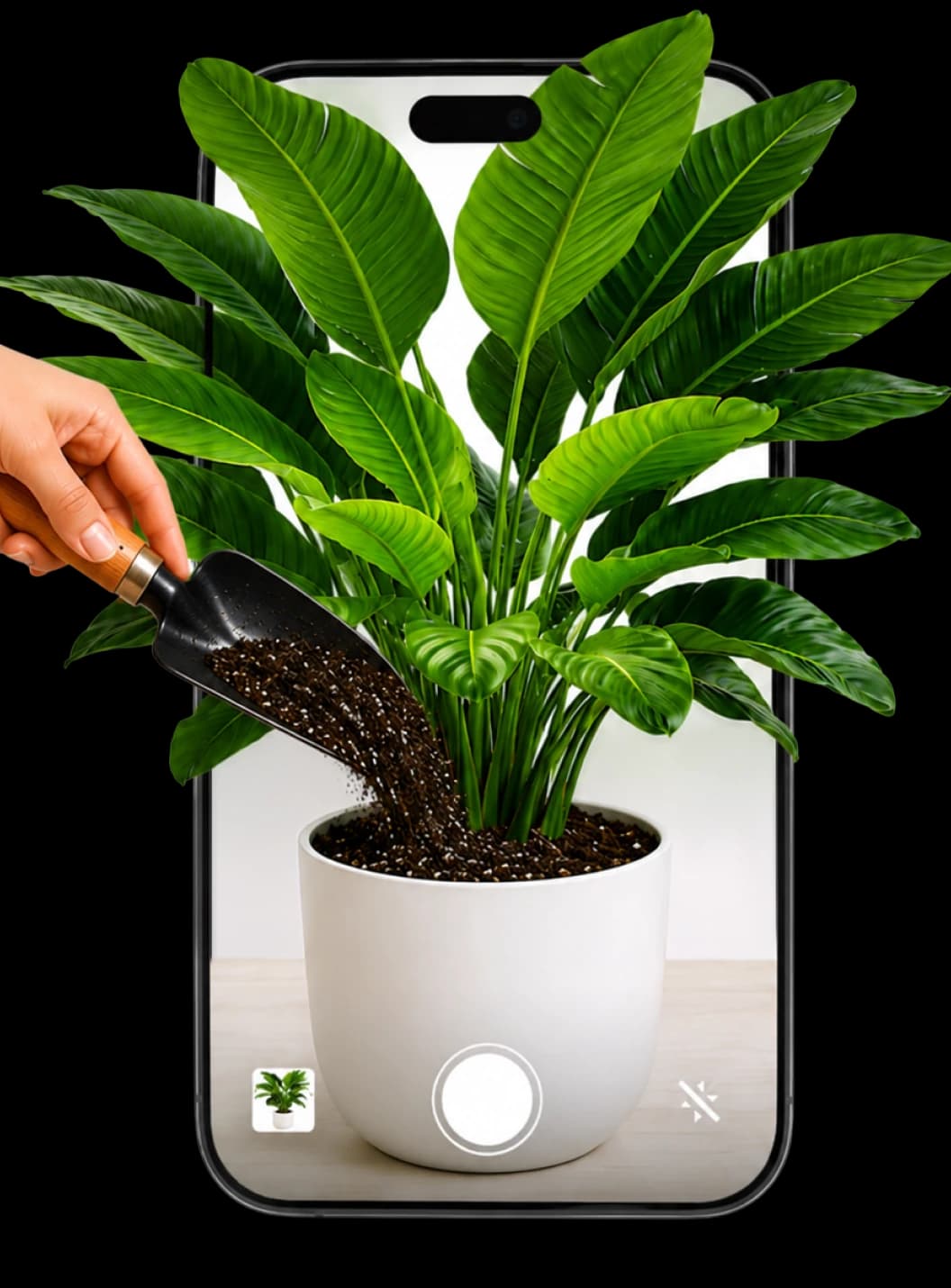
Scan for Better Soil

Botan can help assess the plant and guide a better soil choice based on how its roots and growth habits typically respond in containers.

FAQ

Yes. A deeper container helps keep the root zone more stable and gives the soil column room to stay evenly moist, which suits this species better than a very shallow pot.

More Plant Soil Guides

Check What the Soil Is Doing

If growth looks off, Botan’s photo-based assessment can help identify whether soil conditions may be part of the issue.

Botan app helping with soil and plant care
How to Increase Humidity for Plants – 8 Simple Ways That Work

8 min read · 14 Aug 2026

How to Increase Humidity for Plants – 8 Simple Ways That Work

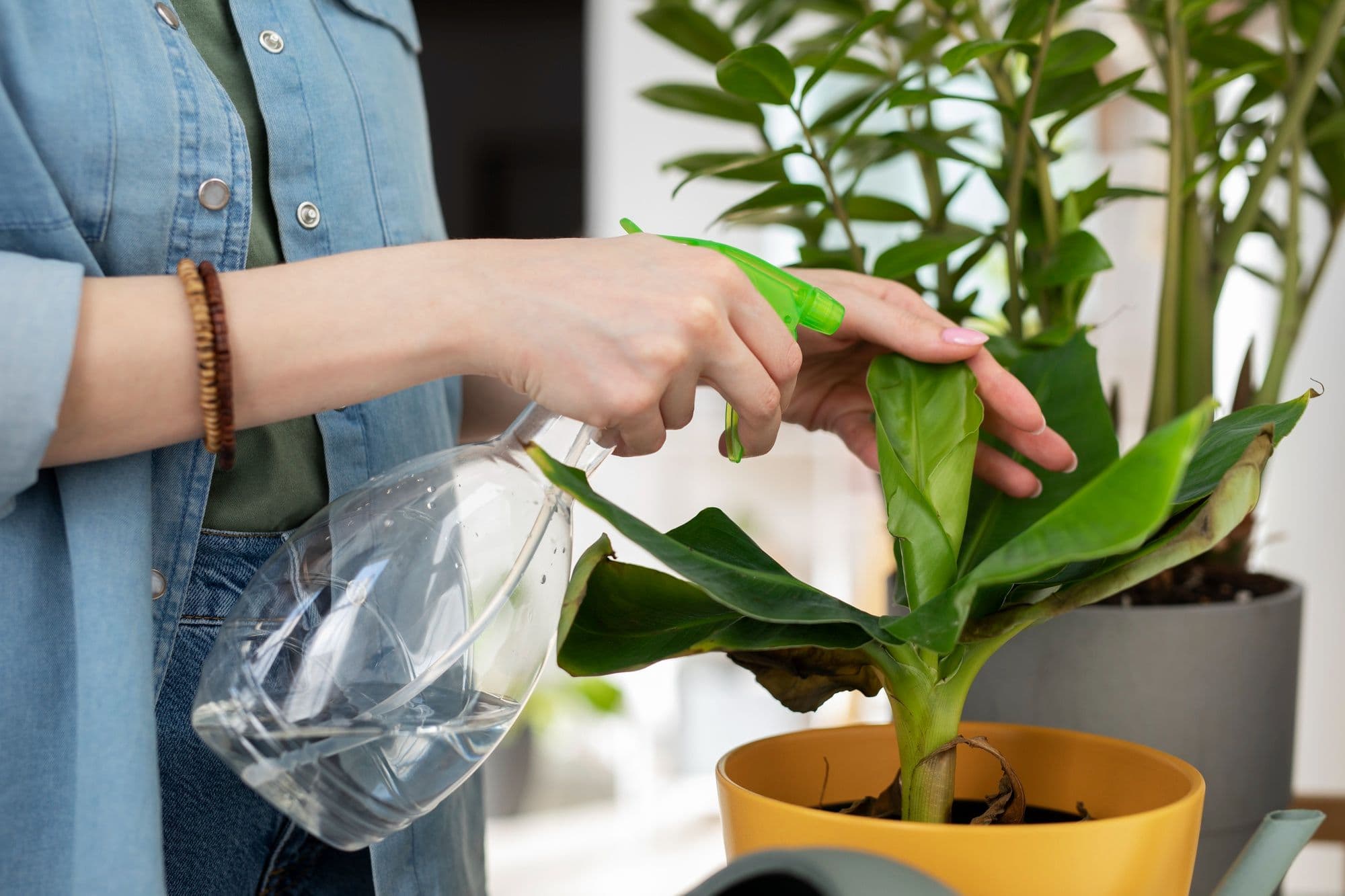
Dry indoor air stresses a lot of houseplants. You usually notice it first in the browning leaf tips. This guide describes 8 simple ways to raise the moisture around your plants, from humidifiers to pebble trays.

Plant Care
How to Increase Humidity for Plants – 8 Simple Ways That Work
How to Mist Plants – Proper Technique and Common Mistakes

7 min read · 30 Jul 2026

How to Mist Plants – Proper Technique and Common Mistakes

Find out when misting works well and when to avoid it. Here, you’ll find detailed information about compatible and incompatible species, tips on how often to mist plants and do it correctly, and some great alternatives for raising humidity.

Beginner Guides
How to Mist Plants – Proper Technique and Common Mistakes
Planting Grass Seed in Summer – What Works and What Fails

7 min read · 6 Aug 2026

Planting Grass Seed in Summer – What Works and What Fails

Summer seeding succeeds when the grass type suits the season, and the soil stays moist. Find out how to prepare the seedbed and choose a safe window for planting.

Plant Care
Planting Grass Seed in Summer – What Works and What Fails